
Windstar Athens to Rome:
After our wonderful time in Greece, we boarded the Windstar boat to begin our week long cruise. I will write about the stops at Monemvasia, Gythion, Mt. Elba and Vulcano Island.
Monemvasia, Greece
Monemvasia is a town in Peloponnesia, which belongs to Greece. Peloponnesia is the ancient home of the Spartans, the warriors that fought Thebes. Spartans settled Monemvasia, south of Sparta, in the late sixth century when they fled the Barbarian invasions. They built their houses along the sea below a towering mountain. This is what is now the old town. They also built fortifications, houses and a church on the mountain (the upper town). The old town was very limited in size, squeezed between the mountain and the sea, therefore a new town was built across a causeway where most of the current population lives.
In order to avoid crowds, we left the boat as early as possible and were in the Old Town by 8 AM. Then before the sun got too hot, we started our 1,000 foot climb to the Upper town, which is all in ruins now. There were stairs of sorts from stones, which have been worn smooth from centuries of climbers.

We took our time and enjoyed the climb, stopping every so often to look at the sea or up to the fortifications and the church. Although it looked impossibly high when we started, as usual, one step at a time did it. The picture to the left is just half way up.
At the top we were rewarded with a glorious view of the sea, the lower town, which is built in Tuscan crème color tiles, the fortifications and the exterior of the church.
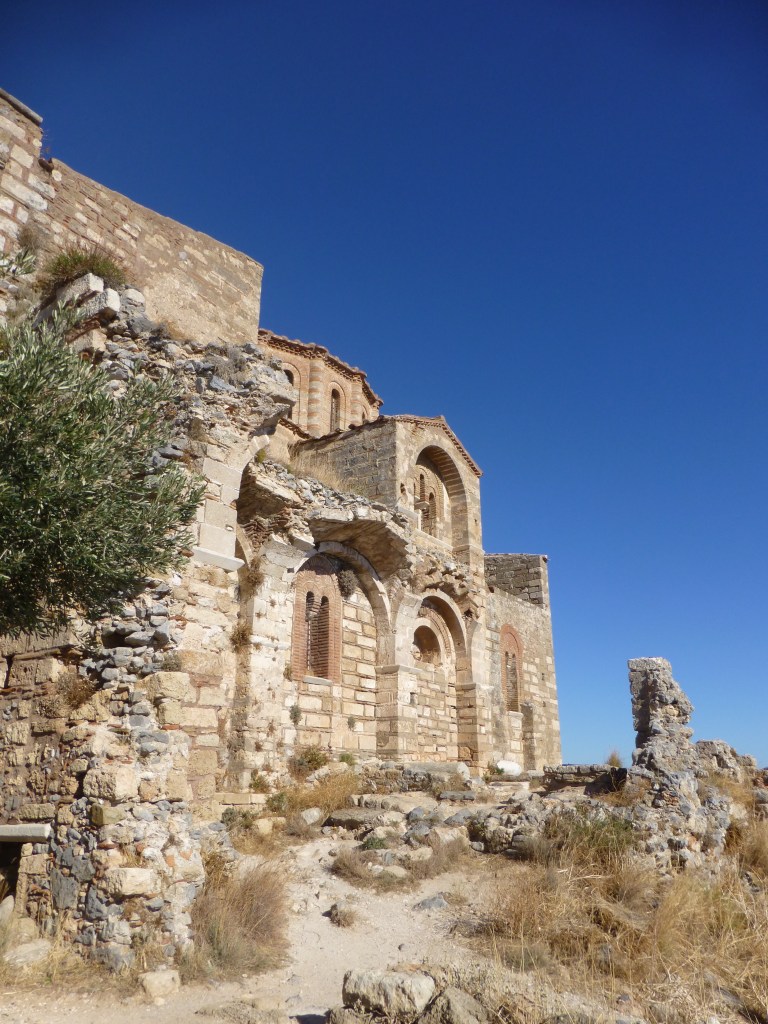
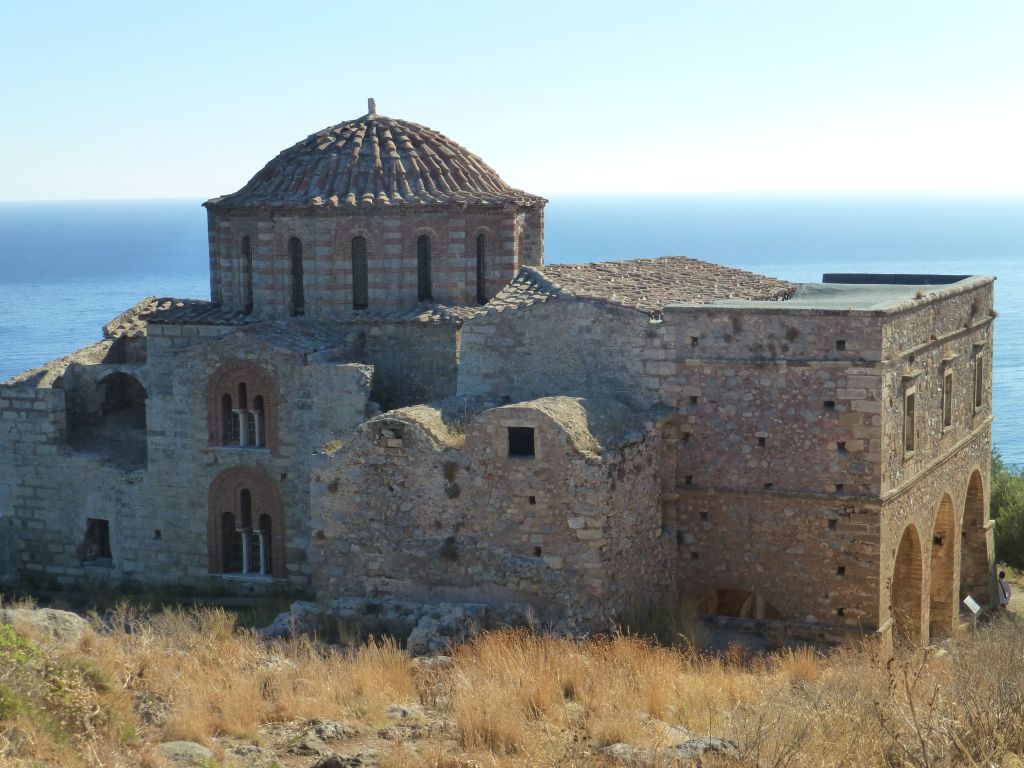
Unfortunately, the church was closed because of prior vandalism. The town cannot afford to have a guard to protect it, so they just locked it up. The church was built in the 12th century and is said to resemble the Aya Sofia in Istanbul. The exterior was lovely with the arched Byzantine windows.
We returned to the lower town and rested in a lovely cafe. We had a delicious spinach pie (open faced) and a cup of tea. It was very peaceful because no cars are allowed.
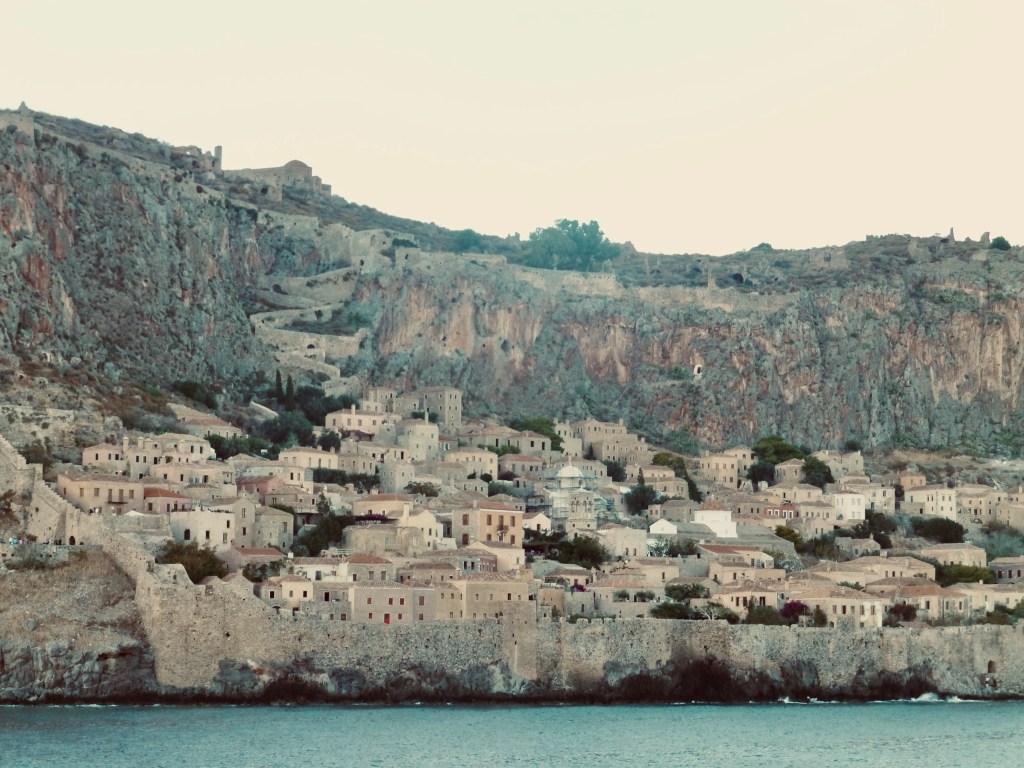
Back at the boat, the sails were raised to the music of Vangelis’ 1492. We slowly sailed past the old city and I could see the trail we took to the top. It is a bit to the left above the town.
Gythion, Greece
We had signed up for the Dykos Cave tour followed by a visit to the town of Areopolis. It was a delightful tour. We drove through beautiful Kalamata olive groves. Now whenever I eat Kalamata olives, I remember Greece.
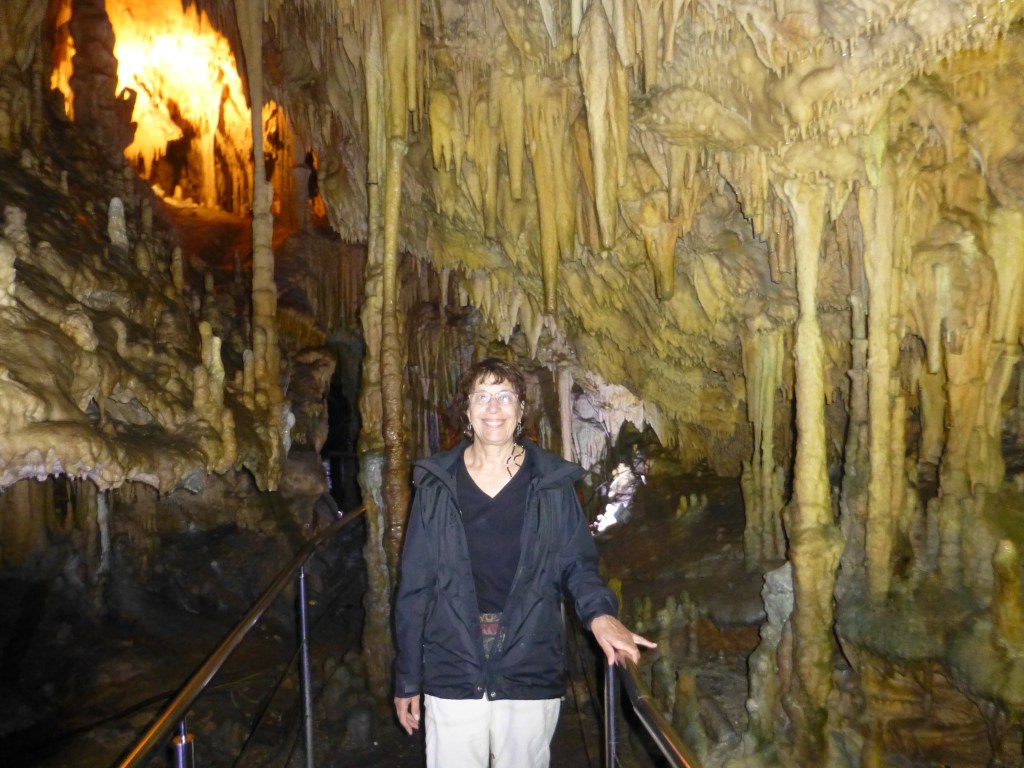
We took a boat ride through the wonderful caves. Apparently they are some of the largest caves of their kind. Scientists think they go all the way to Sparta. At the end of the boat ride, we walked another 5-10 minutes in order to see more stalagmites.
Our next stop was Areopolis, a small village nearby. We were very lucky and hit on the Oxi holiday, which is a celebration to commemorate Greece’s unwillingness to allow Mussolini to cross into Greece without a fight – they said NO! or OXI in Greek. The Greeks fought and eventually the Germans had to bail out the Italians to conquer the Greeks. This delayed the German invasion of Russia, which helped the Allies win the war, so we should all celebrate the 28th of October.
To celebrate this national holiday, each little town and village has a parade. We were there in time for the Areopolis parade, which consisted of 4 school groups walking to recorded music. The pre-school group wore army fatigues for the boys and nurses’ uniforms for the girls.
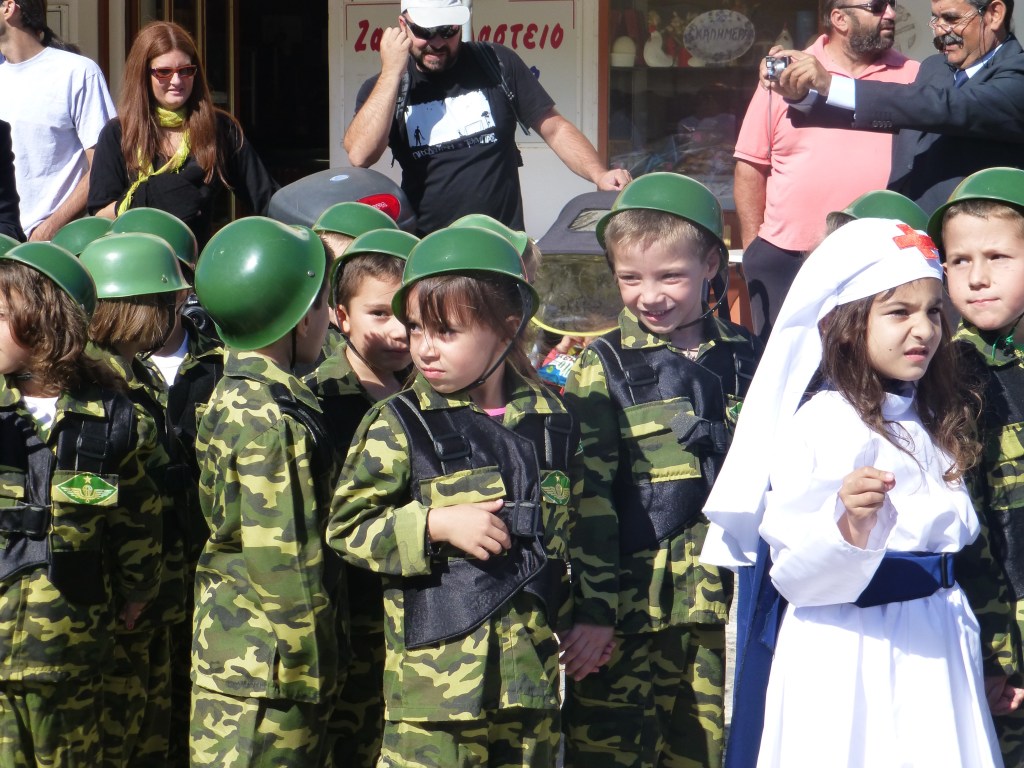
The other three school groups wore their blue pants, white shirts and blue blazers for the parade. Blue and white are the colors of the Greek flag.
After the parade we walked in the town to a bakery, where the owners had set a table with olive oil, two types of bread, olives and cheese for us to snack on. Fabulous food. We dipped the bread in the olive oil and munched and munched.
Sicily: Mt. Elba
The boat landed in Naxos/Giardini on the Island of Sicily. Our 7 1/2-hour volcano jeep tour was wonderful and I won’t even complain about the fact that clouds kept covering the volcano and that it got quite chilly.
There were 11 of us on the tour, 3 jeeps, with the guide in the first jeep (where I was lucky enough to be). She gave explanations via a walkie-talkie to the other two jeeps while we were driving. Mt. Etna is the biggest active volcano in Europe. In the 2 years before my visit, there were 39 eruptions; 14 of them in the current year with the latest 4 days before our visit. Because it was active so recently, we were not allowed to go to the top.
The town below is not at much risk. It is quite a distance from the active sections. Also, the volcano is monitored carefully and the lava flow can be diverted.
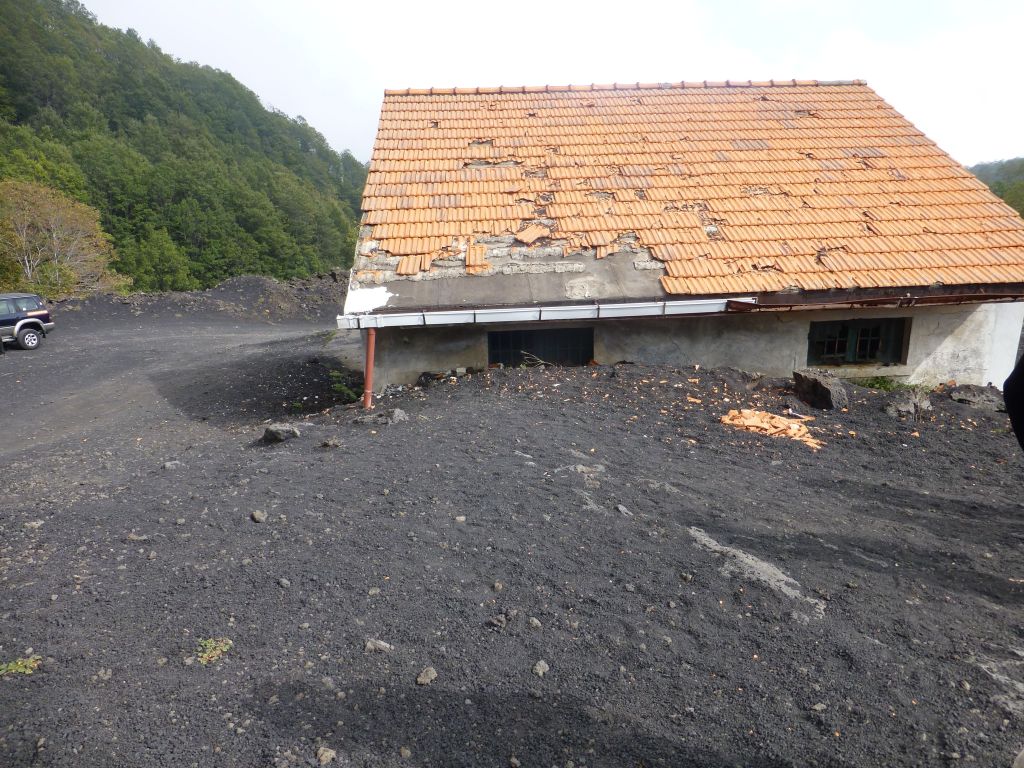
Some of the really big eruptions were in 1971 and 1979. Obviously the town that existed where we stopped had to relocate.
Lava fields and lava tubes: Our first sight of lava fields was breath taking. Lava normally slows as it cools, but lava tubes are created by lava that doesn’t cool.
The lava actually bores through the ground and creates caves. The lava tube we visited was created in 1929.
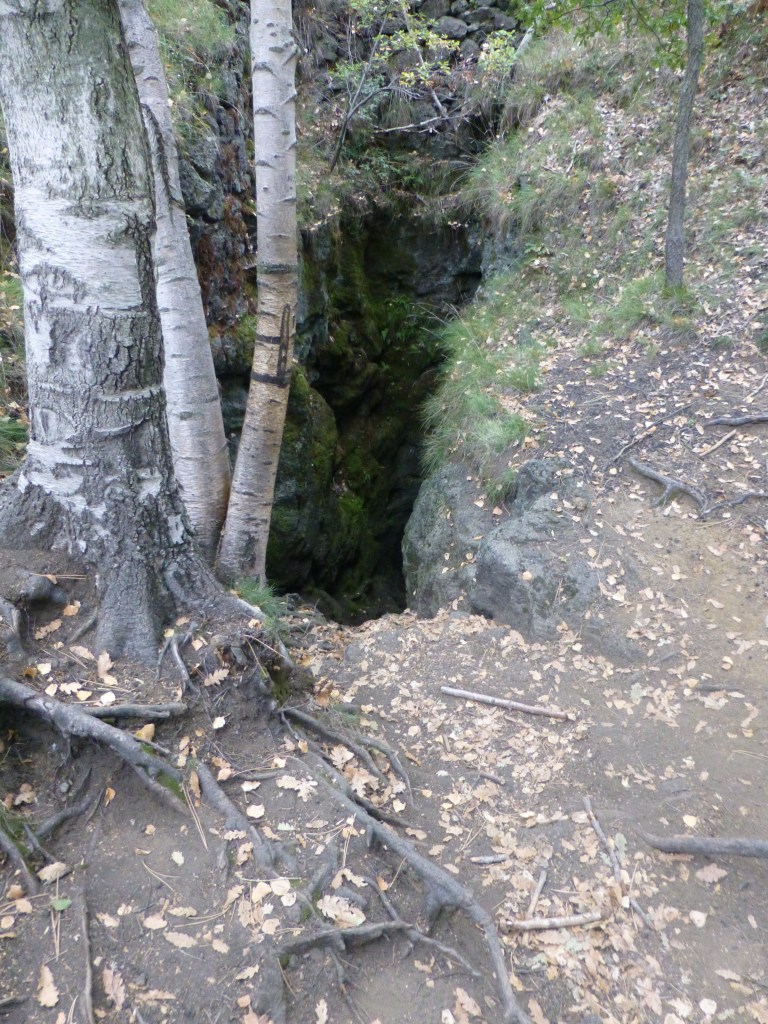
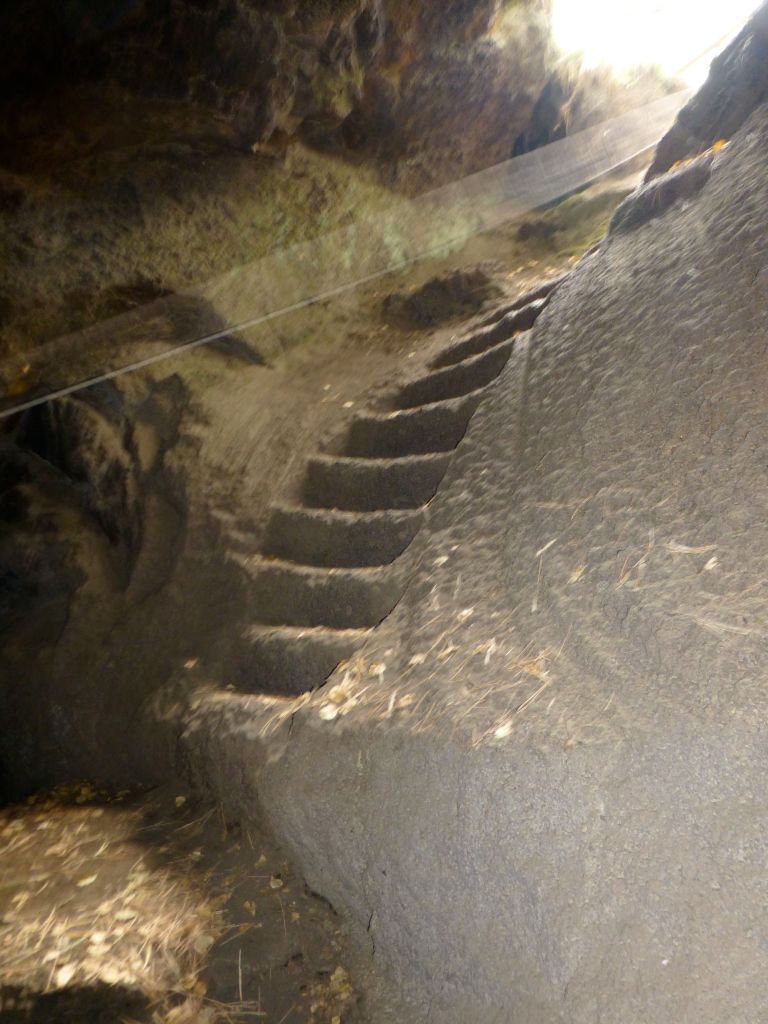
Going down into the lava tube was a bit treacherous because the steps were uneven and it was dark. The drivers helped by stretching a rope between them for us to use as a railing and by holding lights for us. Being inside the cave (lava tube) was awesome.
Vulcano Island volcano.
We were not able to climb Etna but we made up for it by climbing the volcano in Vulcano Island. We reached Vulcano Island (by boat), then we hiked up the mountain – about 2700 feet. The views as we climbed were wonderful. We could see the whole Island and the surrounding islands as well. One of those islands was formed only 168 CE. People living at that time actually watched it being formed and reported it.
After about half hour of climbing we were at the rim of the volcano.
Unfortunately, the wind was blowing just the right way so that the sulphur steam was blowing right at us! Uncomfortable, but it was exciting to look down at the volcano and see it steaming.
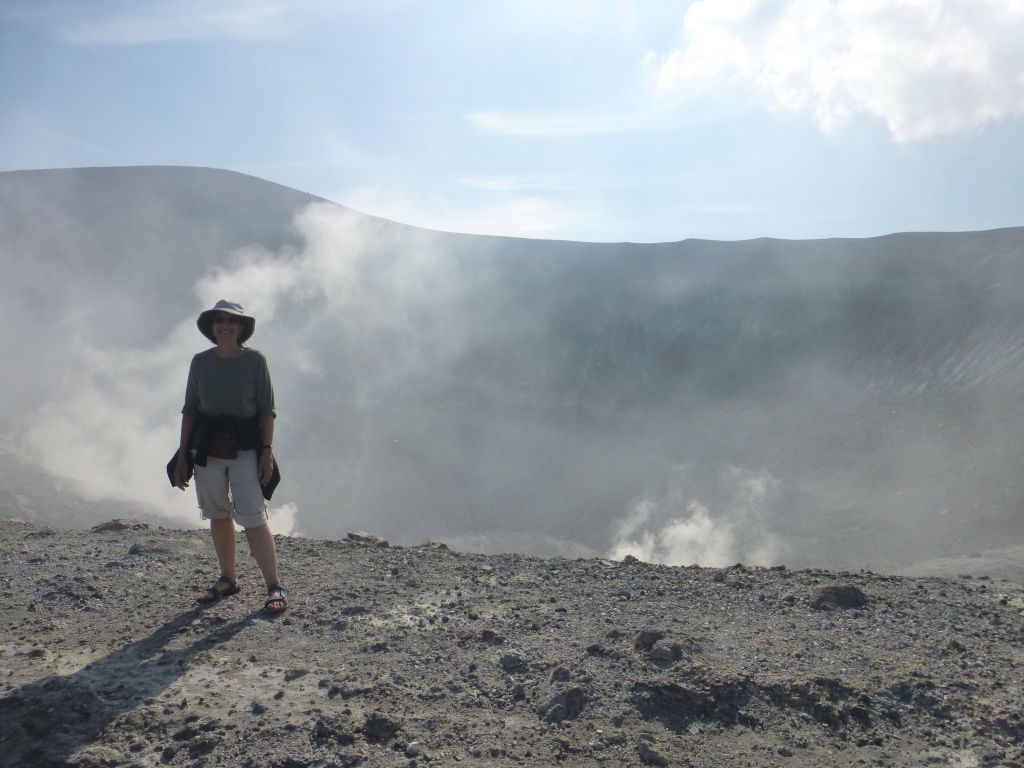
With the sky clear and sunny, it was fabulous. The walk down was actually quite easy because the lava stones gave good footholds.
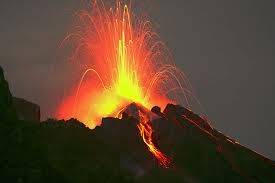
That evening we sailed by Stromboli, which is an active volcano. We were recipients of a most fascinating, exciting show. Every couple of minutes, the volcano would spew out fire. Red flames would shoot out straight up in the air and then sparks would fall everywhere just like fireworks.
We sailed very slowly and we watched it for about 45 minutes. It was more beautiful than I could have imagined.
Final Comments:
- This Windstar cruise was as wonderful or even more wonderful than Panama Canal crossing. The stops were varied and very interesting.
- It was hokey to leave port with Vangelis’ 1492 music as the sails unfurled, but it was also really fun.
- Since the Windstar ship is small (under 200 passengers), it feels very homey fairly quickly.
 Nili's Adventure