
Budapest
Budapest is a larger and not as beautiful as Prague. It suffered much from Soviet Russian neglect. Nevertheless, I had wonderful unexpected experiences there, as well.
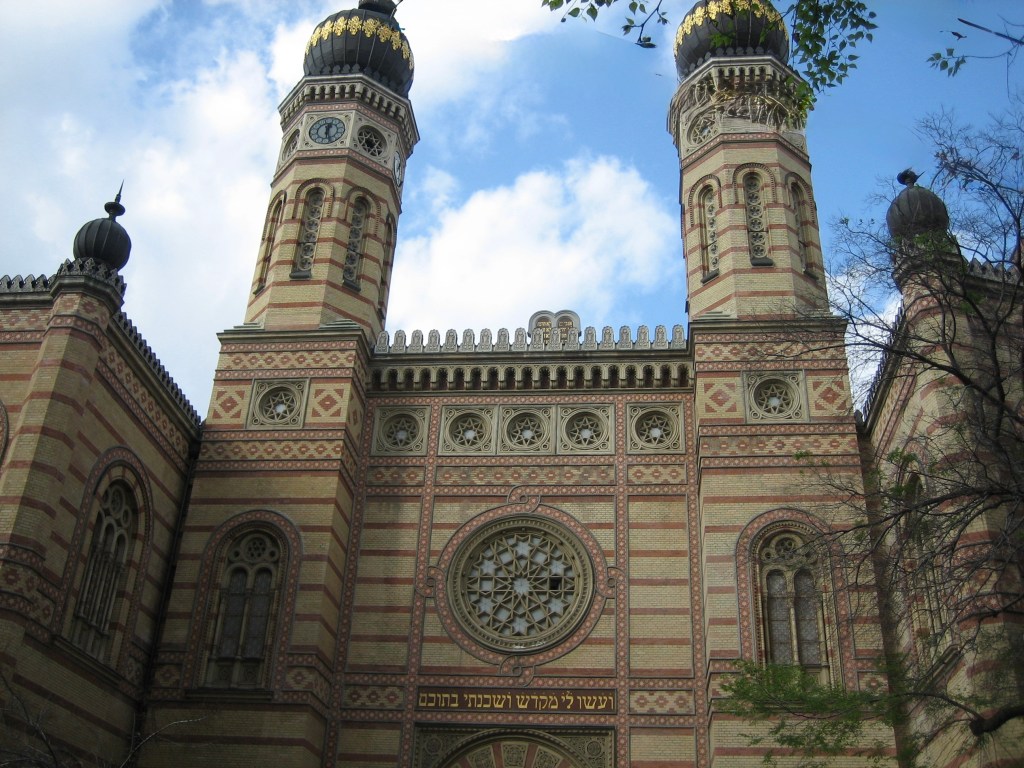
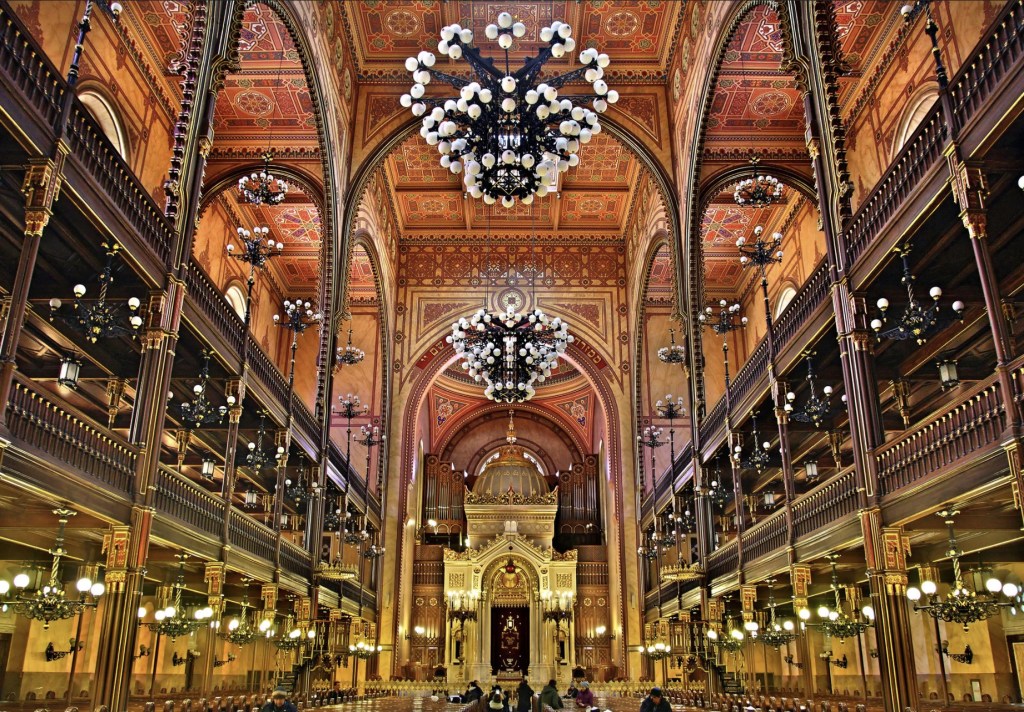
The Great Synagogue (above) is the second largest synagogue in the world, second only to the one in Jerusalem. It is shaped like a Basilica and feels more like a church than a synagogue, not only in the shape but in the decorations as well. It has an organ, which only Christians play during services (religious Jews are not allowed to play musical instruments on the Sabbath). Liszt and Saint Sans played it in the 19th Century. The structure was started in 1854 and completed in 1859. Today there are about 80,000 Jews in Budapest. More Jews survived WWII here because the Germans only first occupied Hungary in 1944. Most of the artifacts from the synagogue and Jewish Museum survived WWII because the National Museum helped pack up the items in the Jewish Museum and hid them in the National Museum’s basement during the war. Likewise, priests helped hide the Torah scrolls in a cemetery and they came through in good shape.
In the courtyard of the museum were 4 pillars with the names of the Christians that saved Hungarian Jews. Seeing the many names restored my faith in human beings. It was into this synagogue that Jews were herded and processed to be deported.
While visiting the synagogue, I saw equipment being set up for a concert. We asked and thought they said it was for a Klezmer concert. I bought tickets. However, it was a Holocaust memorial concert we were attending. The synagogue was full of local Jews. We were probably the only non-Hungarians there. The program was completely in Hungarian including the singing of “Where have all the flowers gone?” Most of the music was very mellow and moving. One person read a poem and a vocalist was humming a tune to it. I had tears running down my face and I didn’t understand a word of the poem. I still get chills thinking about that night. Wow! This was an extremely emotional experience.
Also wonderful was my visit to Liszt’s house, which is now a museum. It housed a number of interesting pianos but most exciting was seeing Beethoven’s piano.
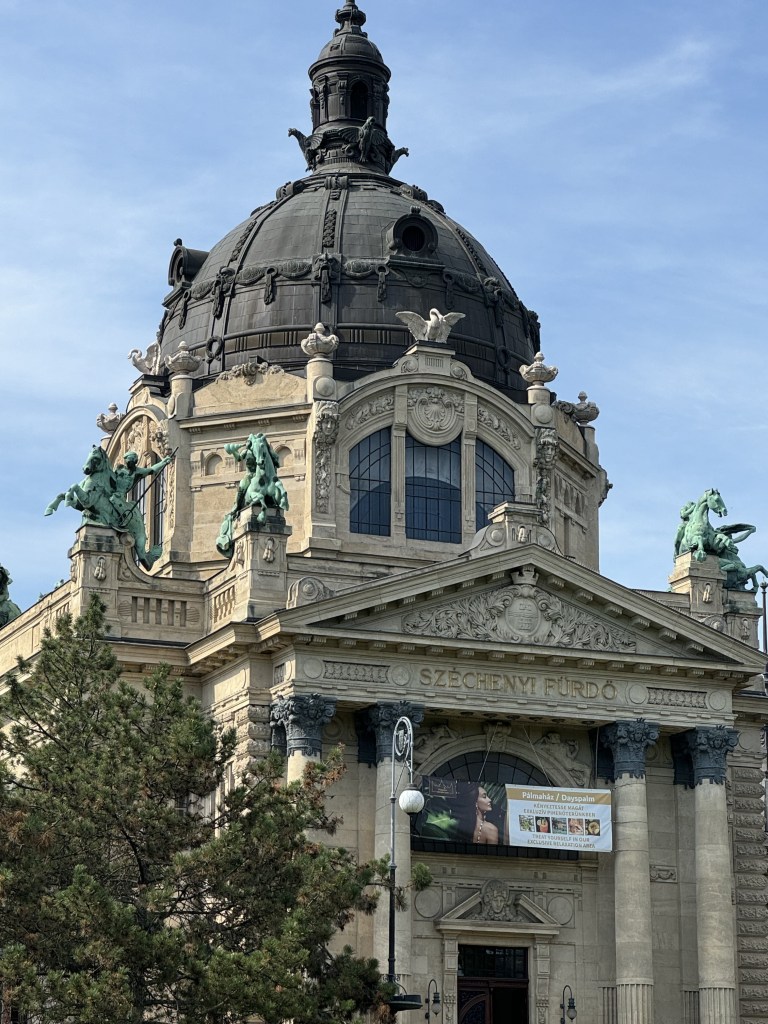
Since Budapest is built on many hot springs, it was a must to go to one of the baths. We chose to go to one frequented by the locals in the park.
In the dressing room I received a locker with a key numbered differently from the locker number. I had to memorize my locker number. They also gave me a totally inadequate towel. The two outside pools were warm and huge. One had a whirlpool center that swept the water around and whipped everyone in the same direction. Inside were a number of hot pools. The warmest was 100 degrees. The day was very sunny and warm (80s) and it was delightful.
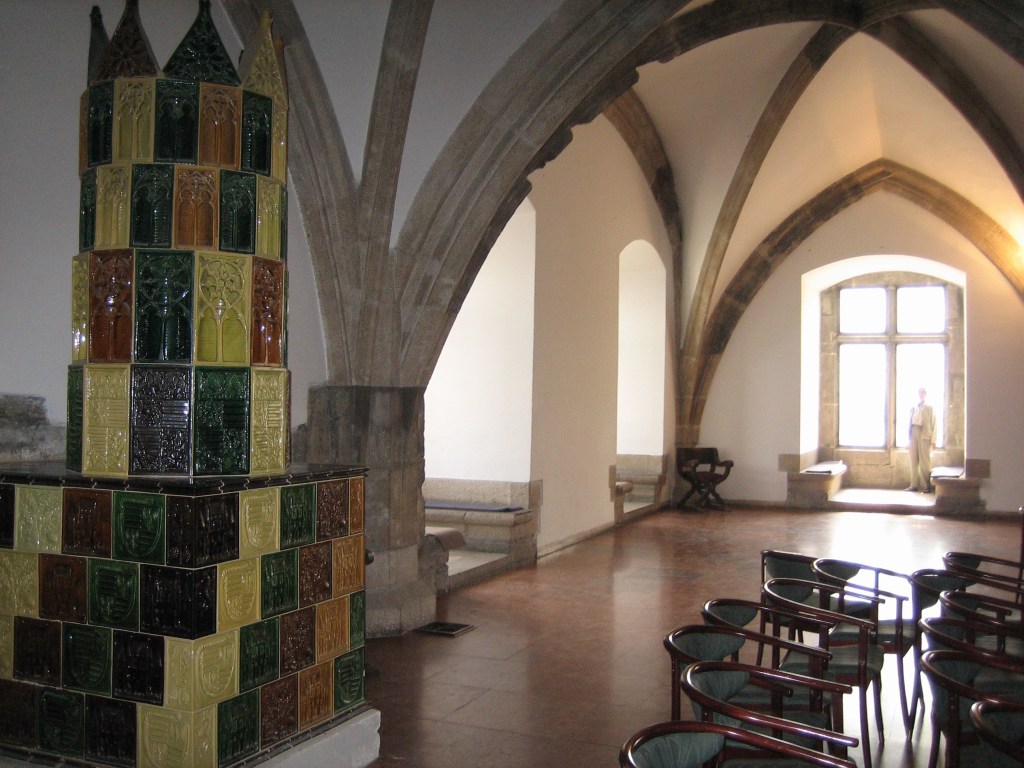
The castle, built in the 1300s, is high on the hill, on the Buda side of the river. (Most of the town is on the Pest side, hence the name Budapest). To the left is picture of a beautiful porcelain stove from the 1600s.
A 14th century medieval synagogue was undergoing a renovation. Nearby, the archeologists also unearthed Hebrew gravestones from that period.
Vienna
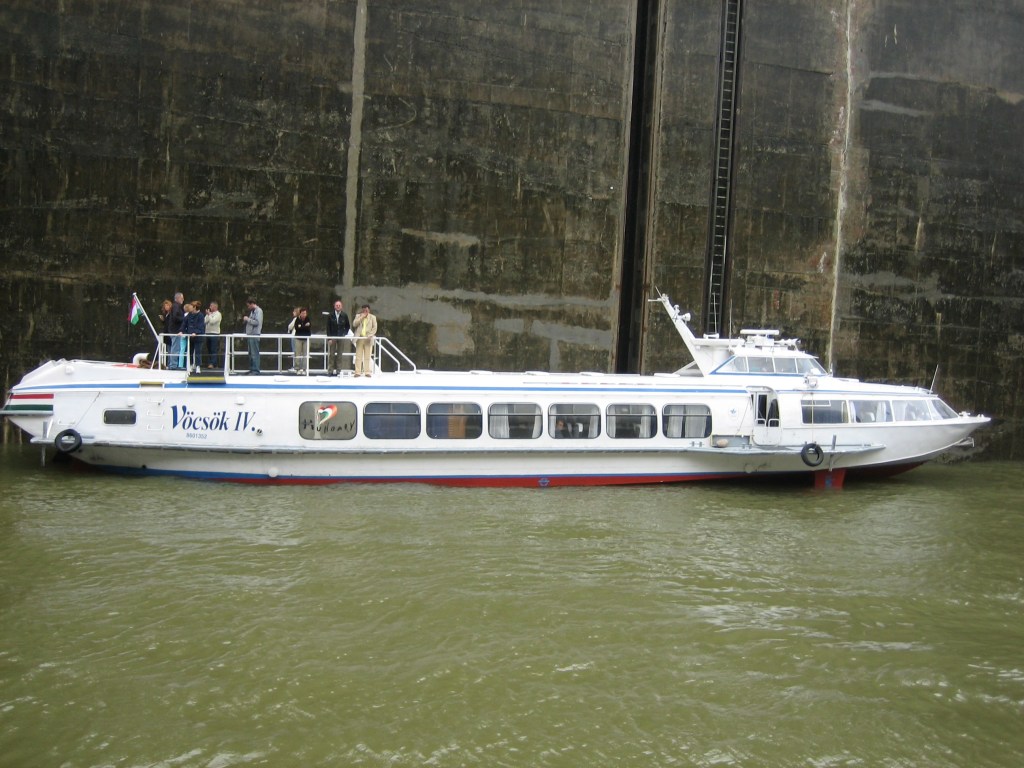
We took a Hydrofoil between Budapest to Vienna. The boat was much more fun than flying.
Vienna is a beautiful white city, with stunning architecture. It was a musical Mecca in the 18th and 19th centuries. There is the beautiful opera house, which was partially destroyed in WWII. I could not attend a performance; therefore, I went on a scheduled tour.
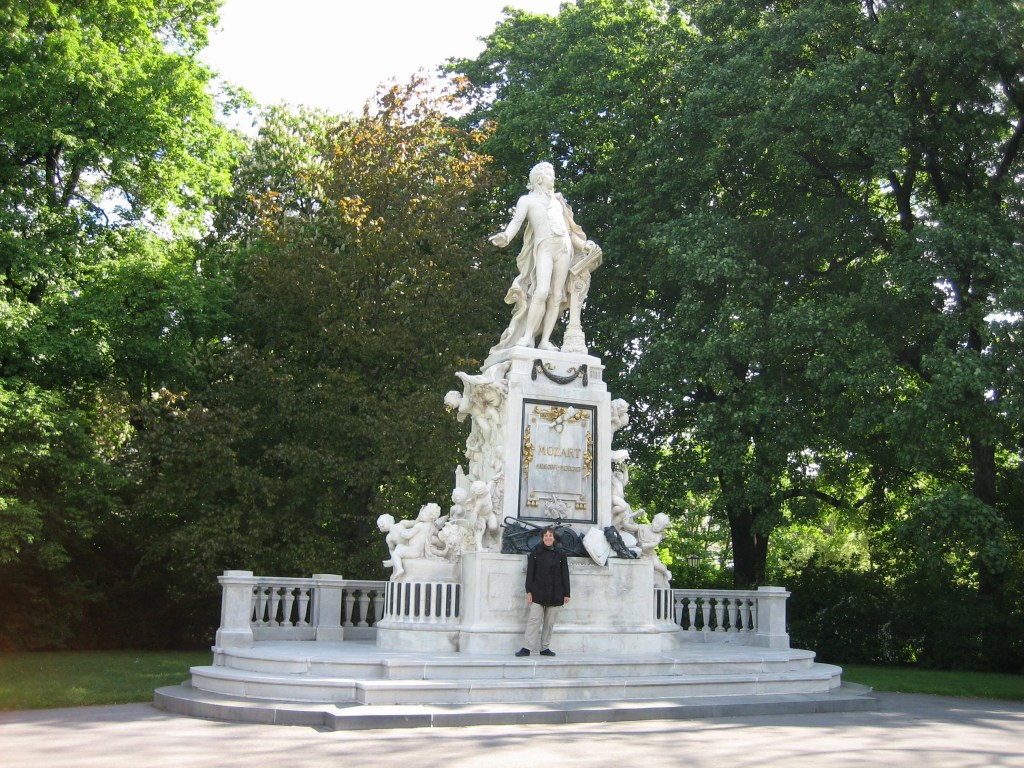
I heard a string quartet concert at the “Mozart House.” Mozart lived in this house for a while and played in the same concert room. It is a beautiful little room – sort of round – not much bigger that a regular living room, with decorated walls and ceilings. There is room for about 50 chairs and a small stage. I sat in the first row-center. It was fabulous. I kept closing my eyes and pretending that it was Mozart playing the violin.
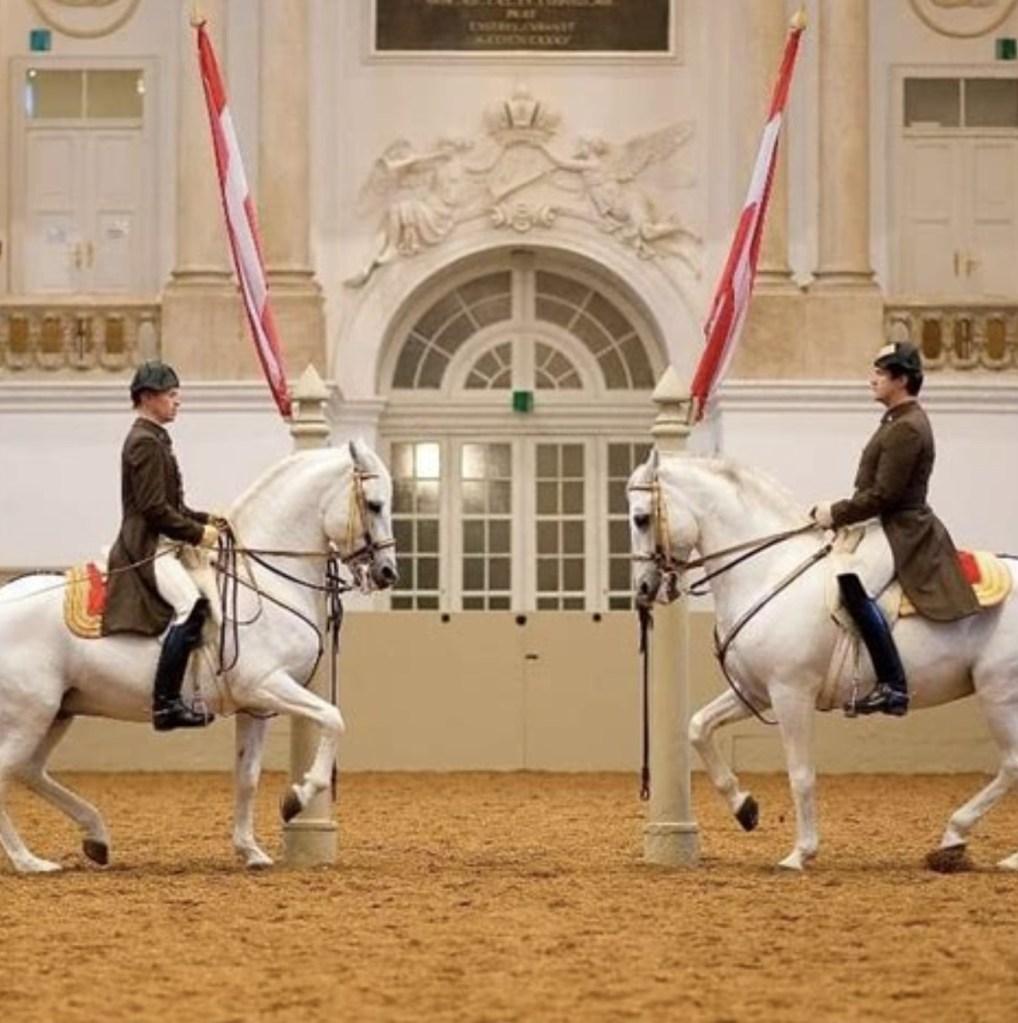
Also, super fun is the Spanish Riding Arena. The riding school began in 1572 and the current hall is from 1729. The horses are from Spain originally, and are a special breed called Lipizza. The original performances were only for royalty.
Today the performances are for the public, but they are sold out months in advance. I was only able to see a practice, which was incredible. I can only imagine how wonderful the performances are.
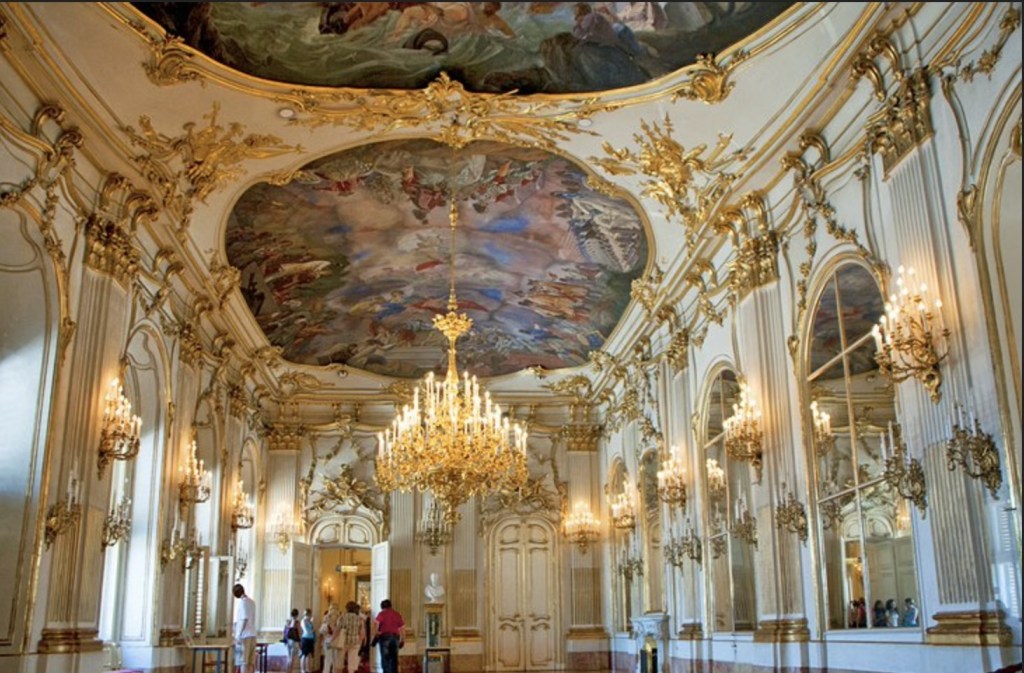
The Schonbrunn Palace, which is easily reached via underground, was built mid 1700s. Both the palace and the grounds were just amazing. The palace is huge with over 1,000 rooms. I visited all 40 rooms that are open to the public using an excellent audio guide.
The rooms are decorated as they were in the late 1800s. I felt like the king and queen have just left. The picture to the right speaks volumes to the opulence and beauty. Mozart performed in the Mirror Room, at age 6 for the Empress and then jumped into her lap.
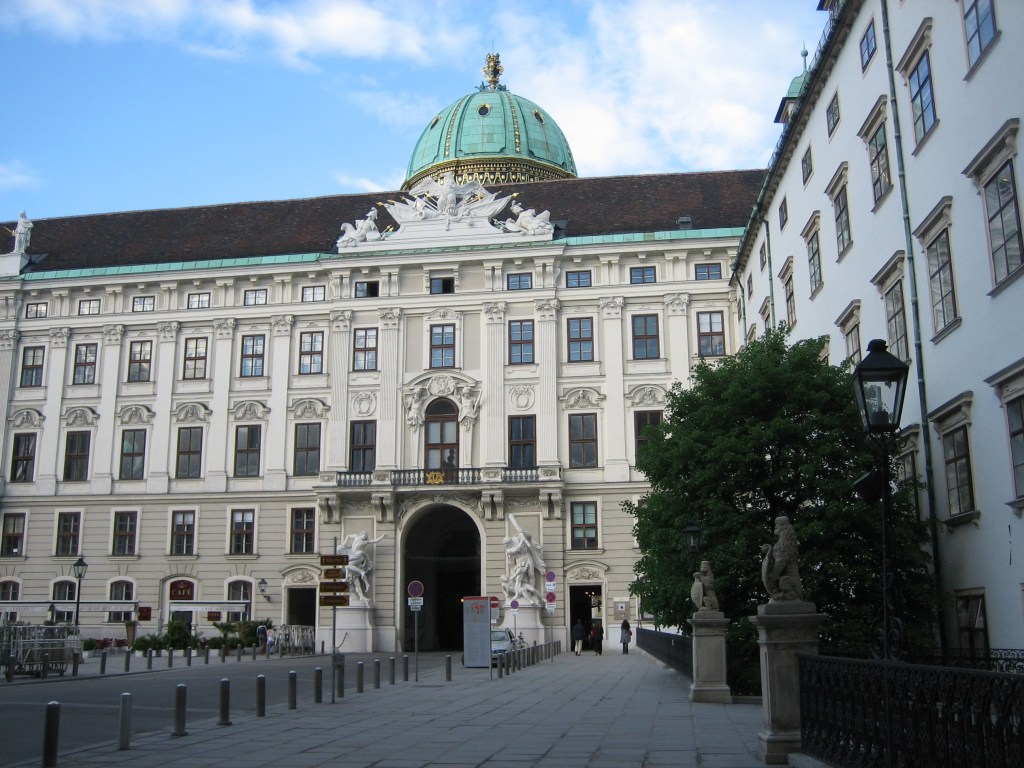
The Hofburg Palace Museum, right in town, is beautiful. It has a grand staircase and walls and ceilings with carvings and exquisite detail.
I was enchanted by the ancient musical instrument collection including harpsichords, clavichords, pianos and harps from Mozart and Beethoven’s times. The museum had an acoustical guide so we could listen to some of those rare instruments.
The four-city tour was just perfect. Krakow was the smallest and therefore cozy. Prague is the most beautiful with Vienna a close second. Budapest had the hot baths and the beautiful synagogue experience. They complimented each other.
Final comments:
- I learned a valuable lesson: after an overnight flight, hire someone to pick you up at the airport. We tried to save money and take a local bus into Krakow. It was stressful because we didn’t know where to get off.
- Small European cities are easy to get around – no need for a guide except for specific venues.
- Do some research on what is available – I would have liked to see a Lipizza horse show, but I would have needed to get tickets in advance.
 Nili's Adventure