
The Dordogne region in Southern France is heavenly!
I had gotten spoiled having a guide/driver on earlier trips, and decided to try to also see the Dordogne region that way. But Europe is more expensive than Morocco or SE Asia. Therefore, it made sense to share costs by inviting our friends, Barbara and Harvey Hellering, to join us on this trip. We had traveled with them before and knew that we would enjoy another trip together. We hired Connie Wilson, an American living in France, to arrange the trip and to drive the 4 of us for 10 days in May, 2008.
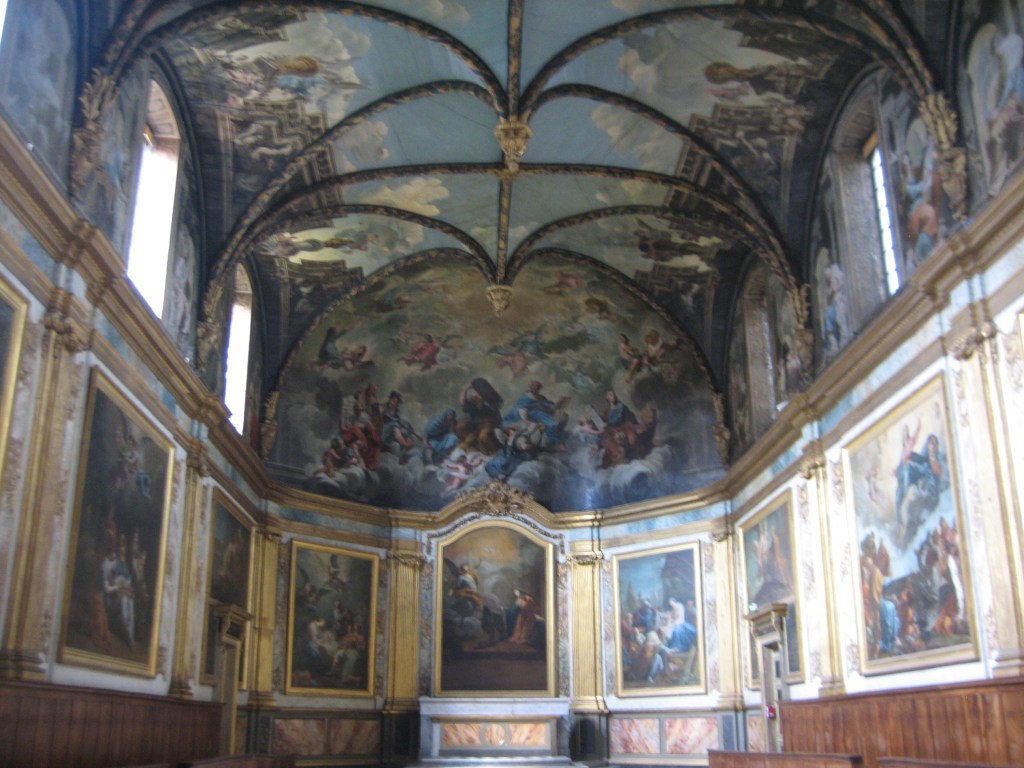
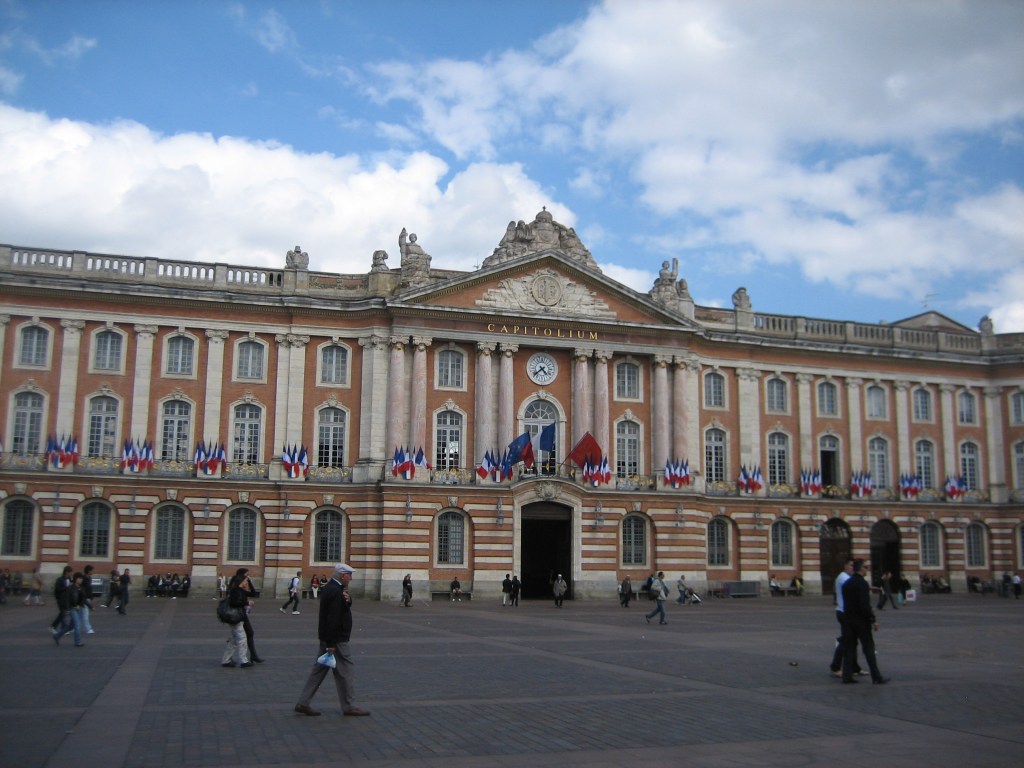
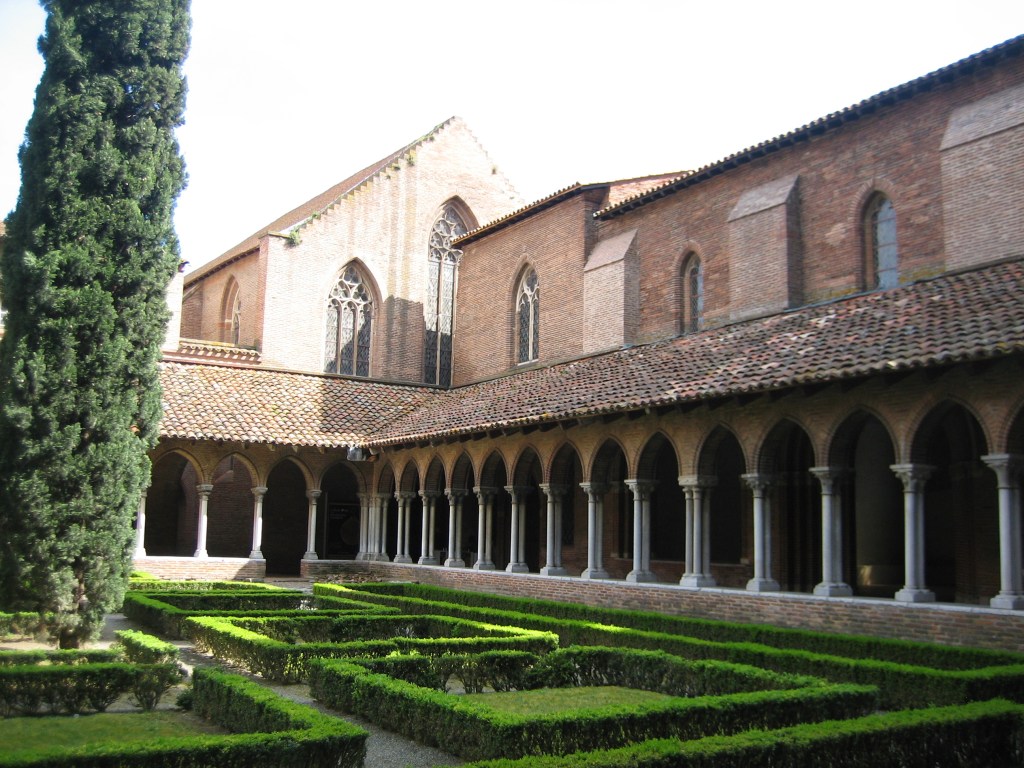
Toulouse
We began our trip in the lovely city of Toulouse. I loved the interesting architecture and the delightful meals, especially at the beautiful Le Bibent Brasserie and the Brasserie Beaux-Artes. The former is decorated to look very much like an 1880 opera house.
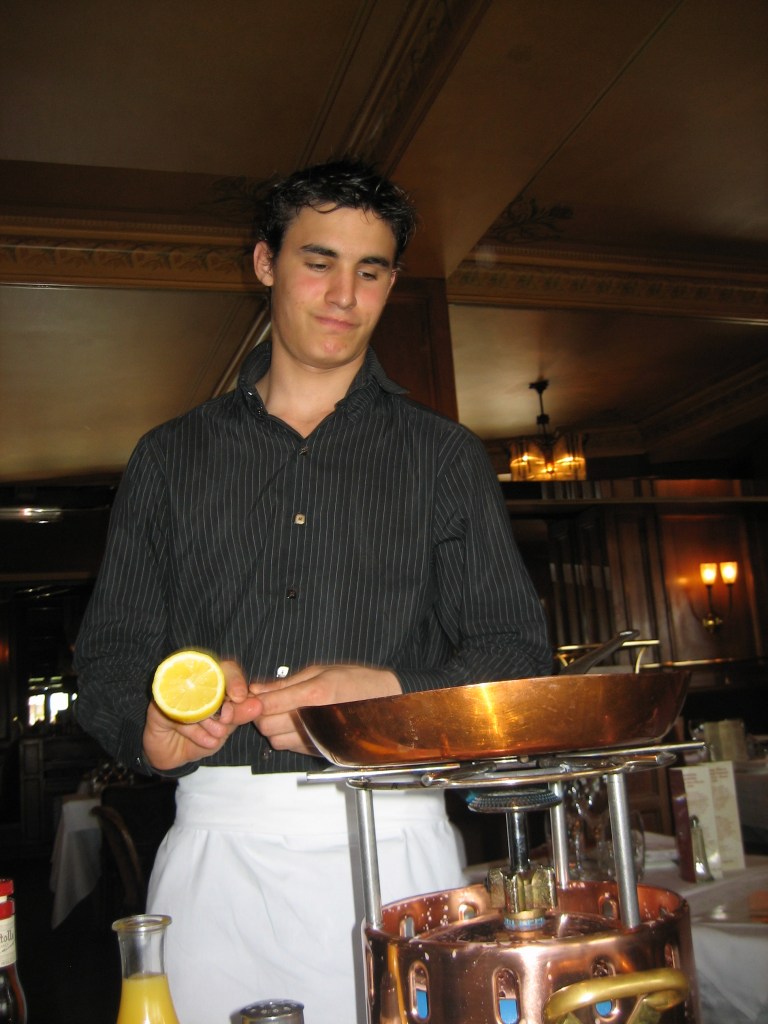
The latter’s Art Nouveau décor enhanced the excellent food. Barbara and I shared a crepe suzette, made at the table; best I ever ate.
Mirepoix and Carcassonne
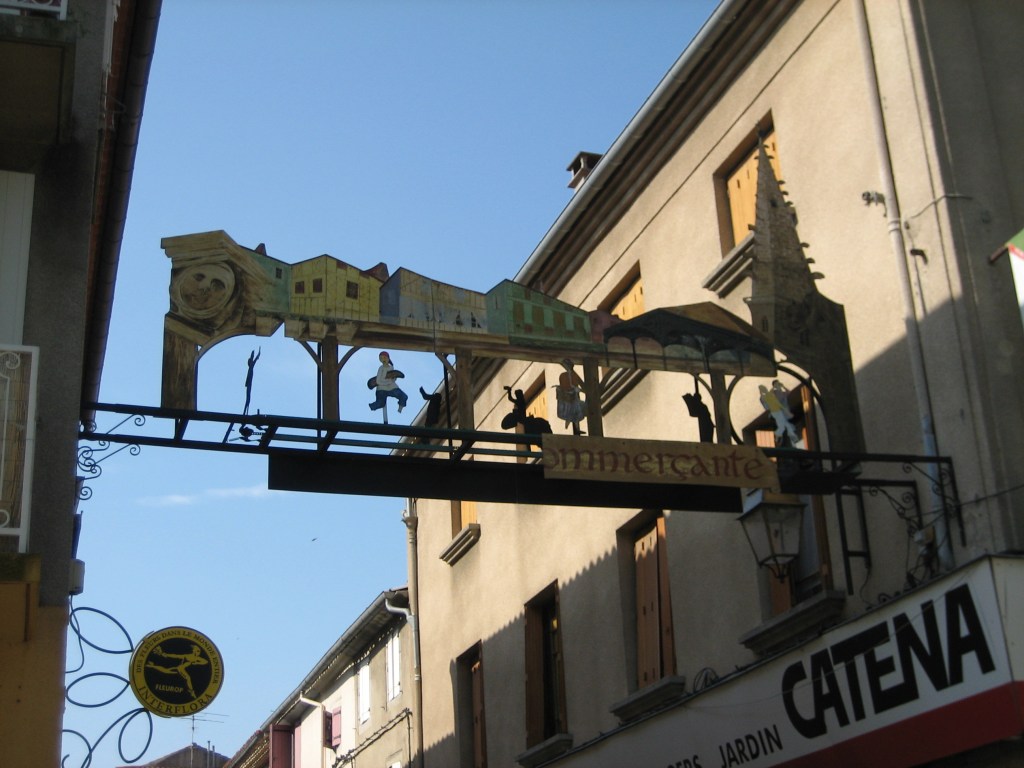
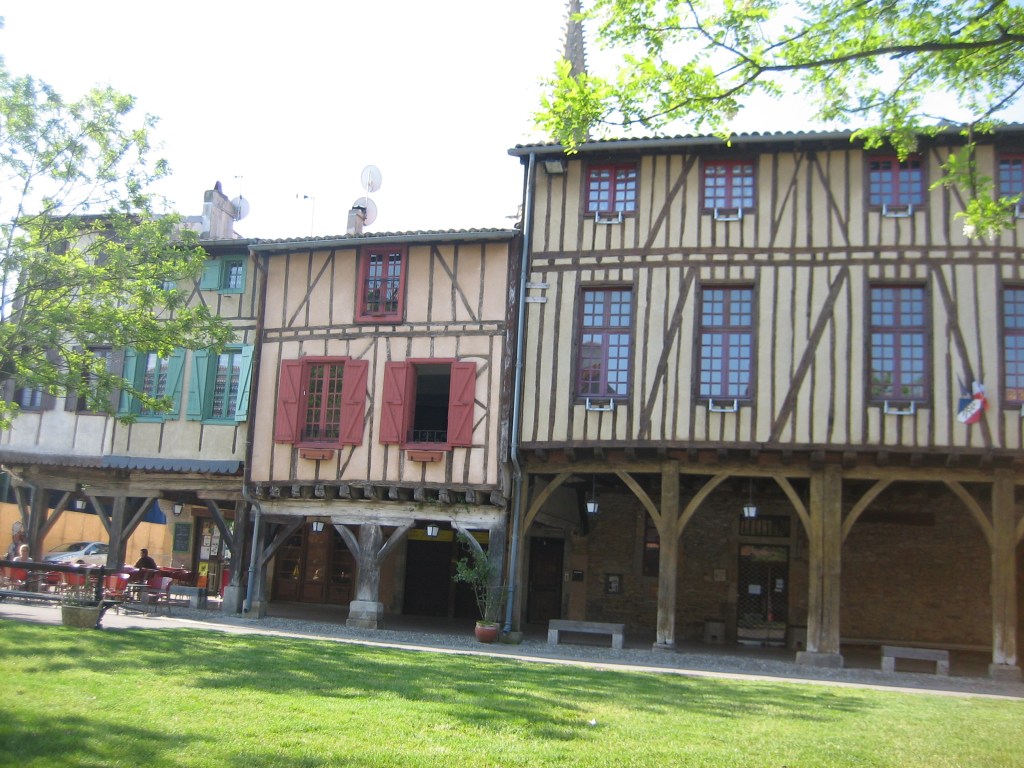
We stopped in Mirepoix on our way to Carcassonne. It is a tiny, lovely medieval town . The half-timbered buildings from the 13th to 15th centuries surround the main square. The second floors jut out over timber couvertes or covered arcades. The supports for these arcades are actual tree trunks. It is a quiet town with few tourists; therefore, I could sit at a café and imagine myself back seven centuries. So glad we stopped.
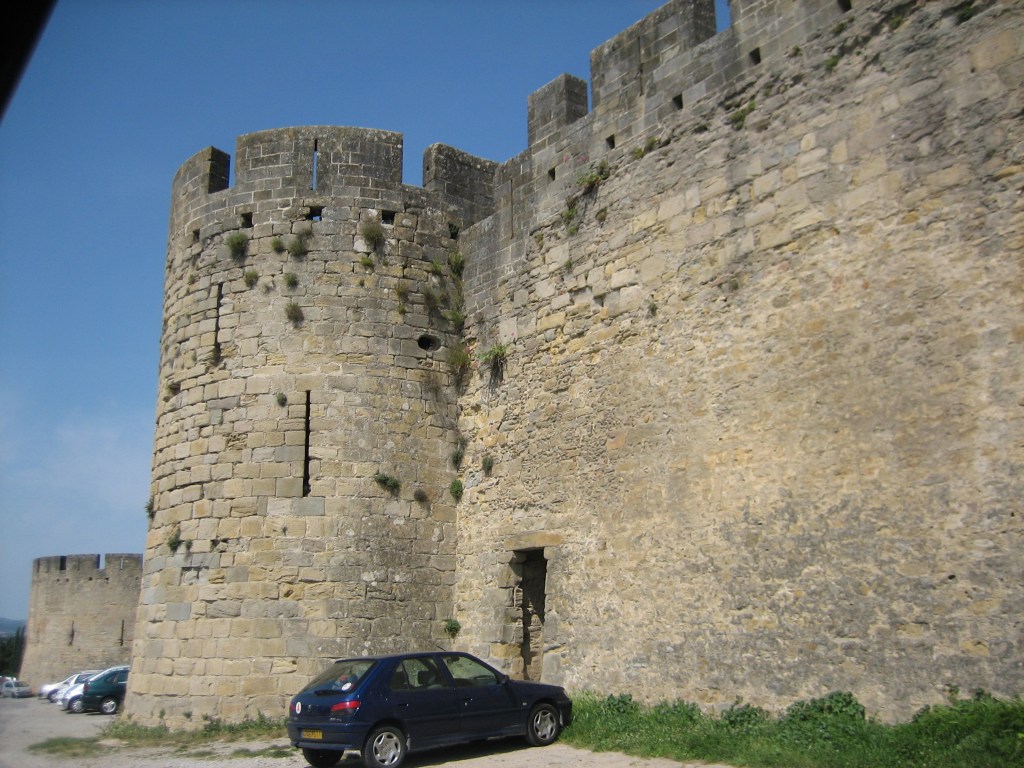
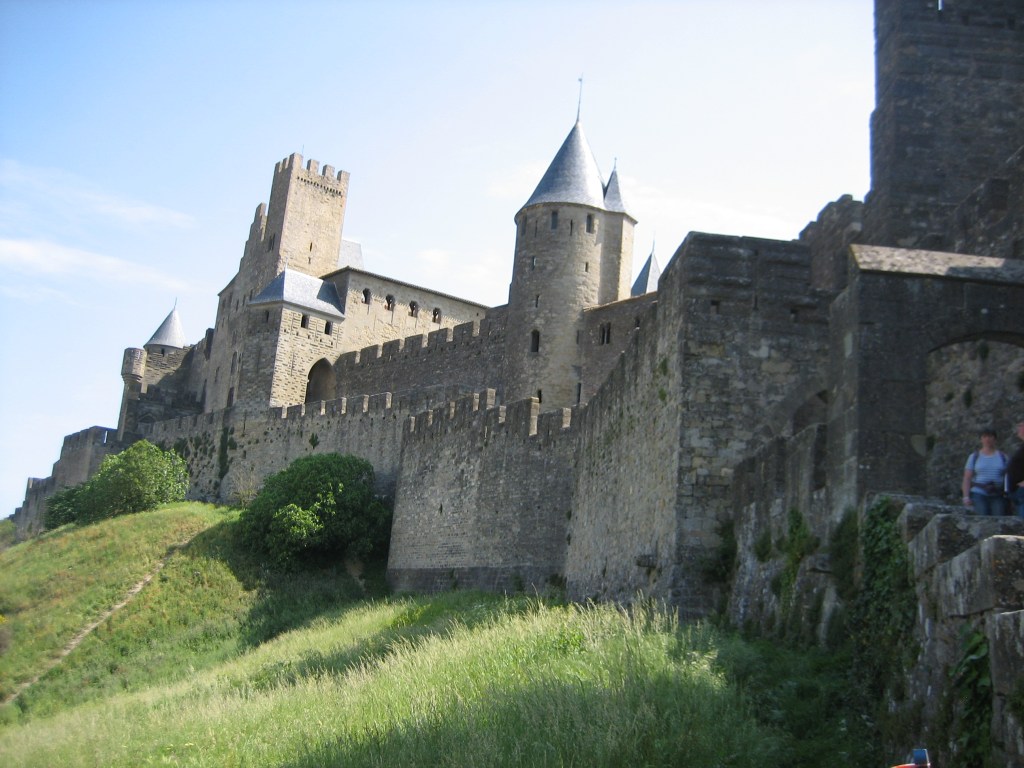
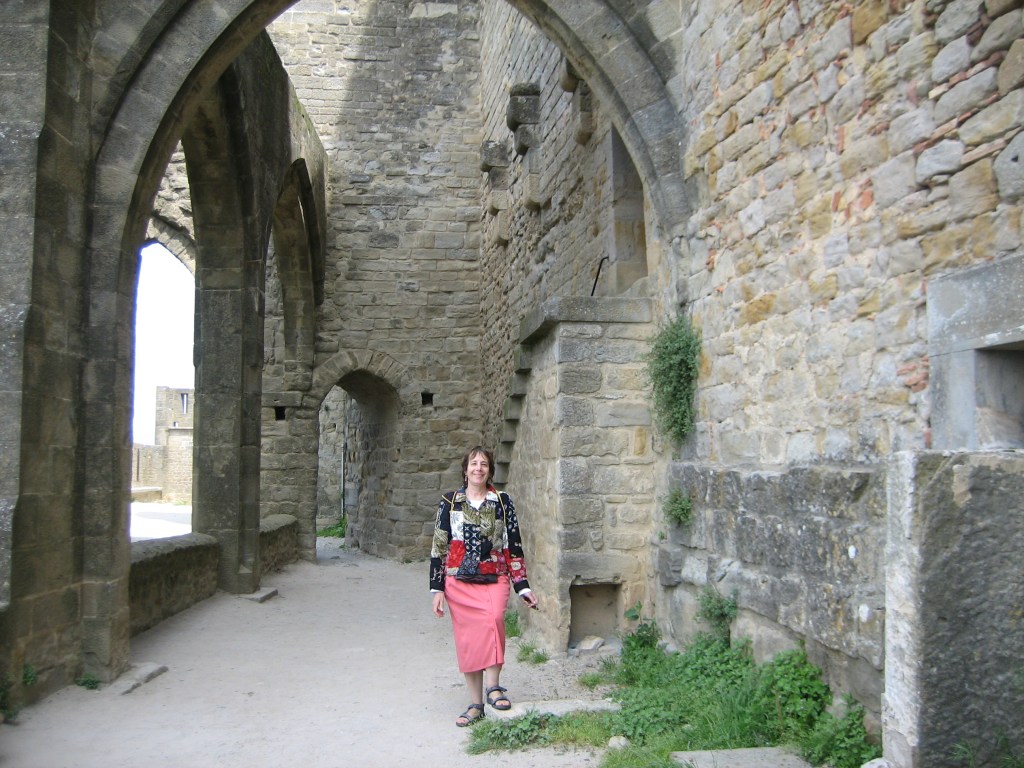
Carcassonne is a different story. It was full of tourists because it is definitely visit-worthy. Carcassonne is a 13th century town within an immense fortress. There are 3 sets of walls around the city and 52 towers. The town started to decay in the 17th century when it lost its strategic importance of protecting France from Spain. But around 1840, France established a department for conservation and began the process of restoration. The castle (unfurnished), the fortifications and the church were wonderful to walk around. We spent the night in the new city of Carcassonne, (15th century), just a few minutes from the older city. This enabled us to return and view the fortifications at night – all lit up.
Rocamadour
Rocamadour is a city built into the mountain. It was an amazing sight. Even just viewing it from across the valley is a delight.
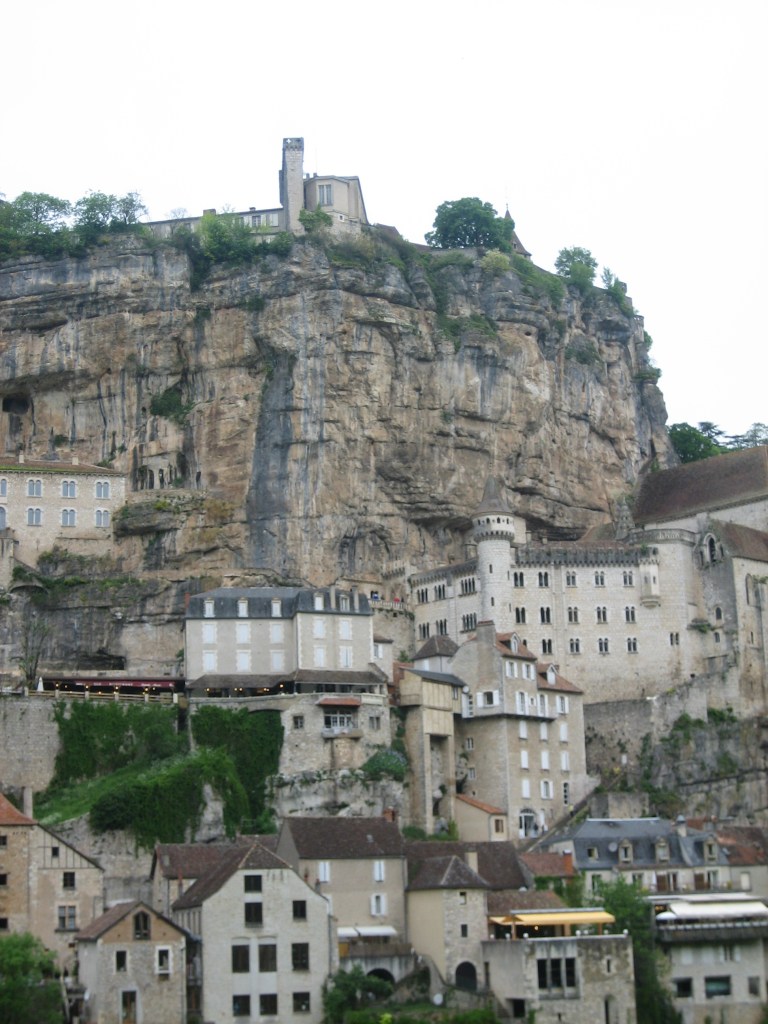
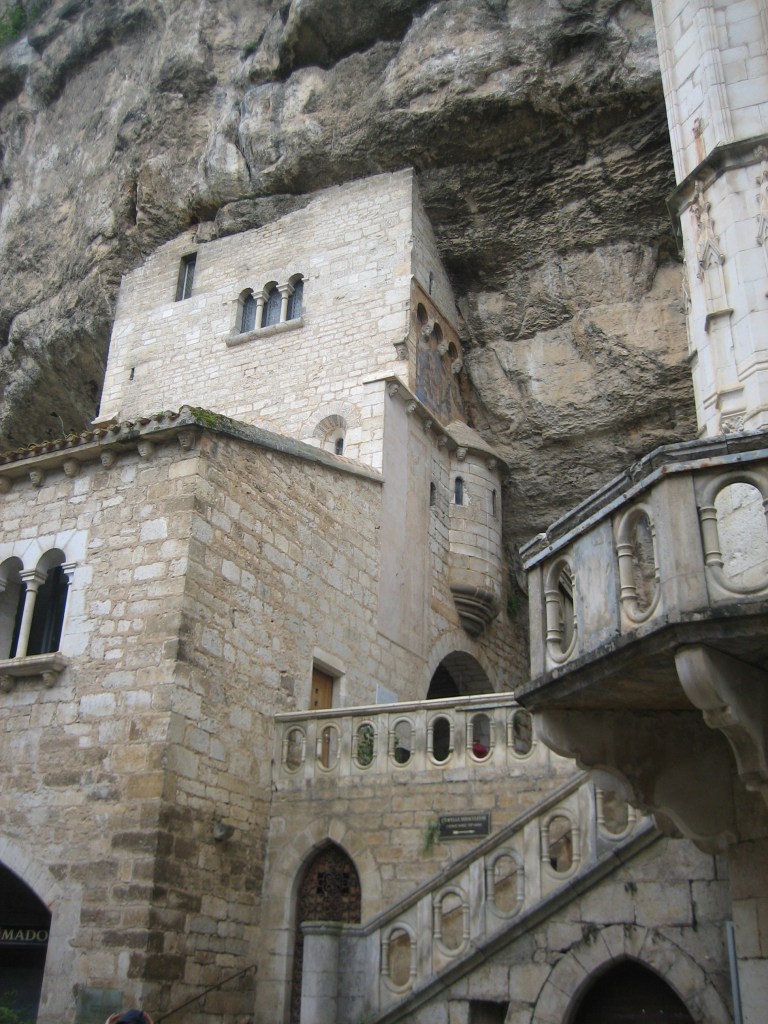
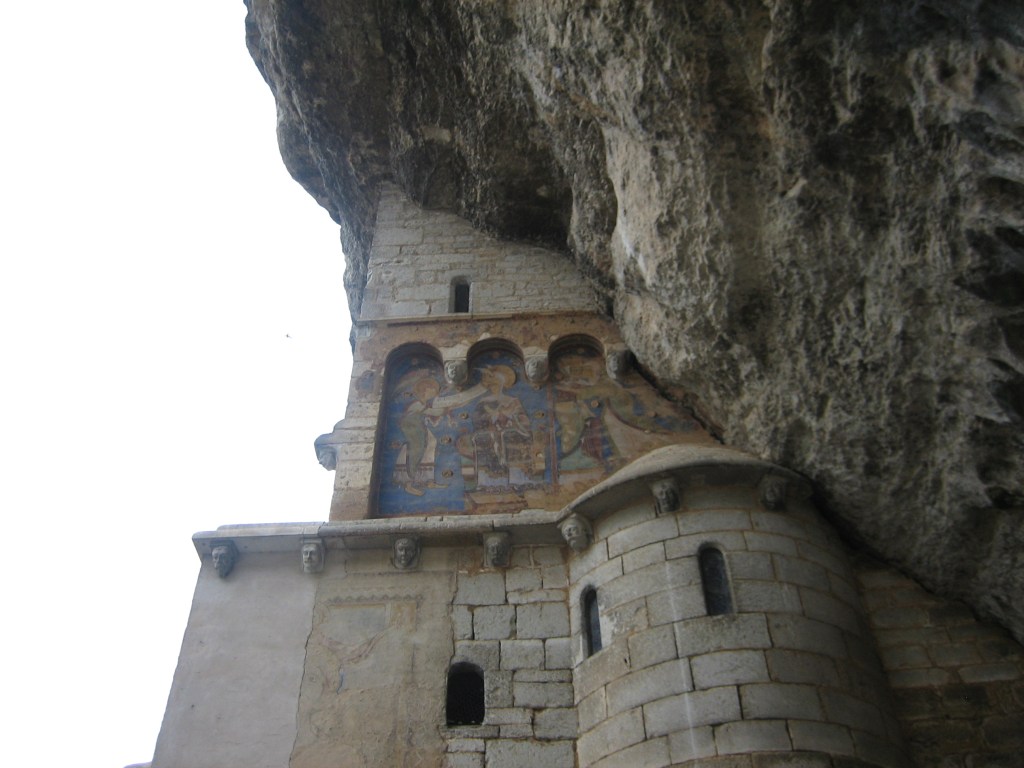
The town was constructed in three levels. The lowest level, where most people used to live, has shops and restaurants. One level above it – accessible by hiking or elevator, is the religious level with the church built into the side of the mountain. Then a third level, also accessible by hiking or elevator, has the ruined castle. I imagine that it might be restored some time, but right now, it is just a ruin.
Sarlat
The gem of the trip was beautiful Sarlat, which dates from the 15th and 16th centuries. Luckily the city was never “modernized.” Instead it has been lovingly restored. The buildings are of yellow stone that dance in the light.
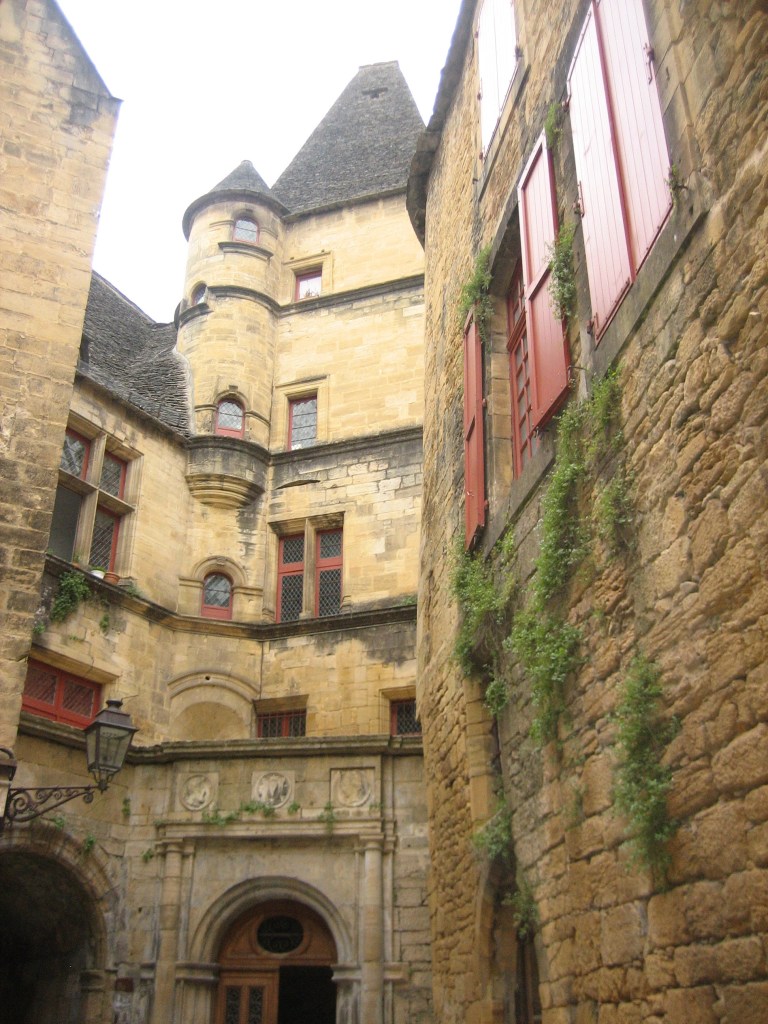
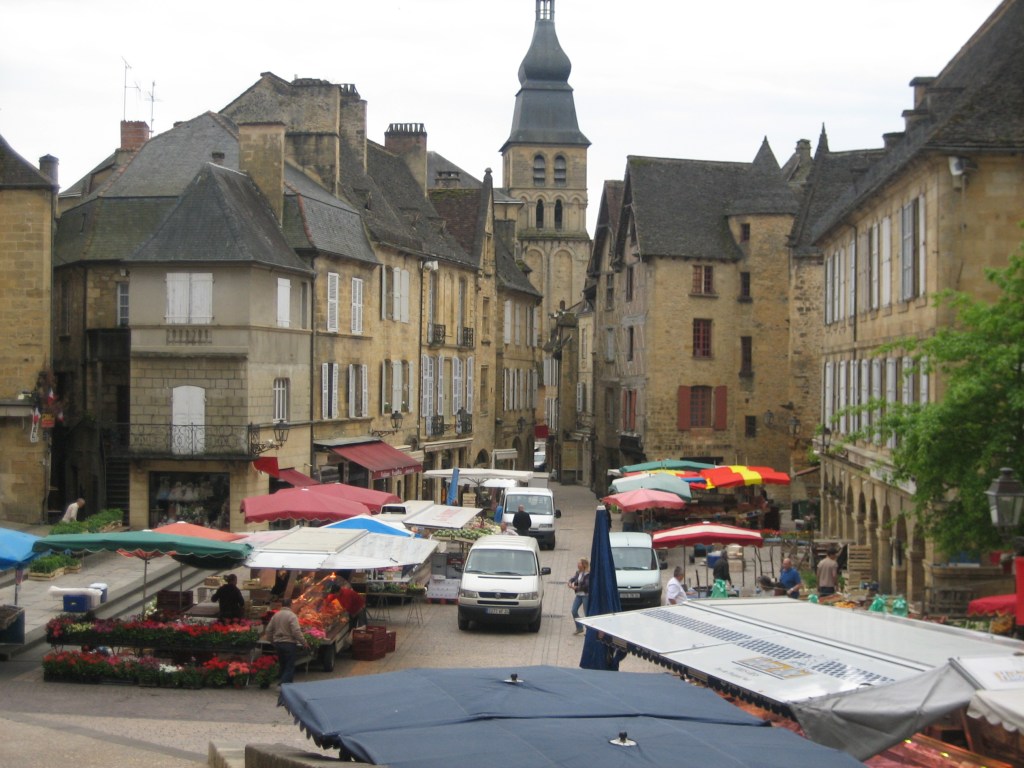
Connie planned our stay to include the Sarlat Saturday Market. This is an enormous market with many stalls offering fruits, vegetables, foie gras, cheese and bread.
To give focus to our morning at the market, Connie suggested a picnic lunch gathered from our various shopping assignments. I was responsible for foie gras. I had fun deciding which types of foie gras to choose. When I asked the vendor if the foie gras included pork, she was insulted. She only sells REAL foie gras. This was music to my ears since I don’t eat pork. The others bought bread, cheese and desert. Connie’s balcony was our picnic spot. It was fun.
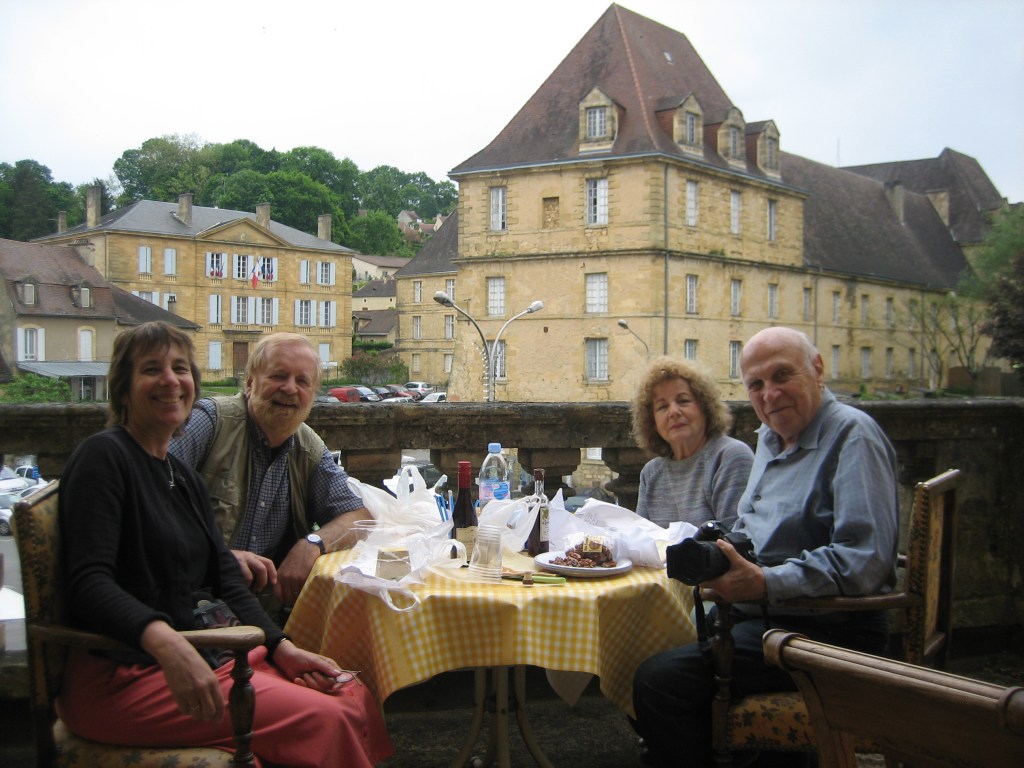
Sarlat is a delight to stay in because it is so beautiful, but it is also a wonderful anchor from which to visit the surrounding towns and castles.
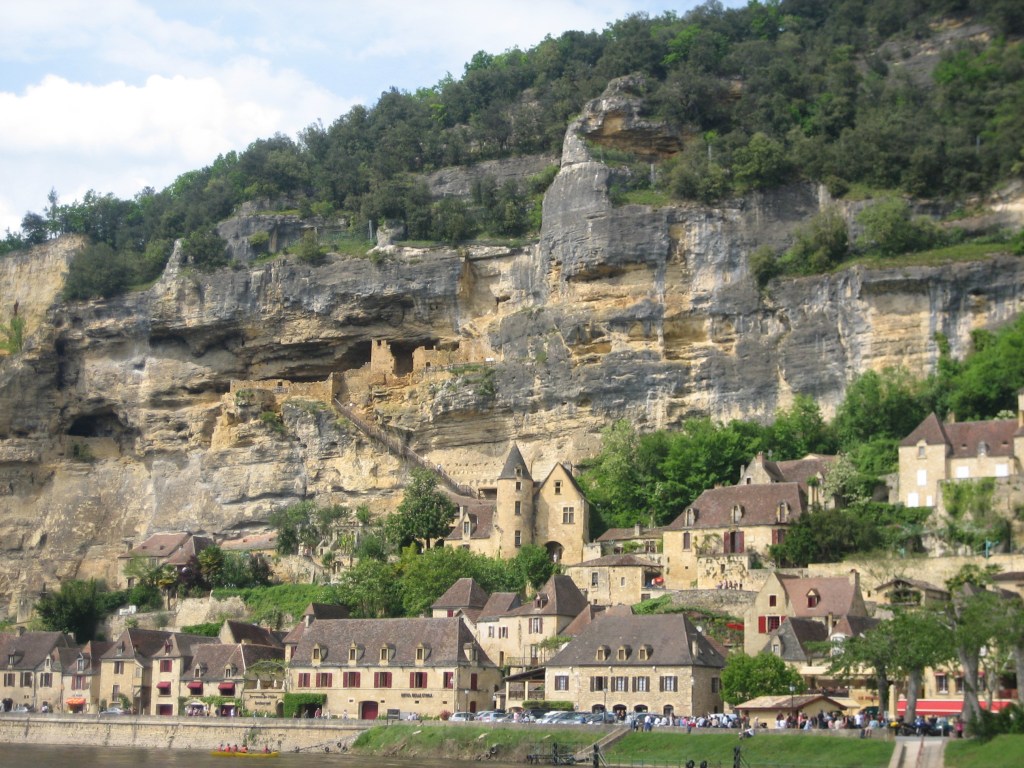
One such town was La Roque Gageac, which is built into the mountain along the Dordogne River.
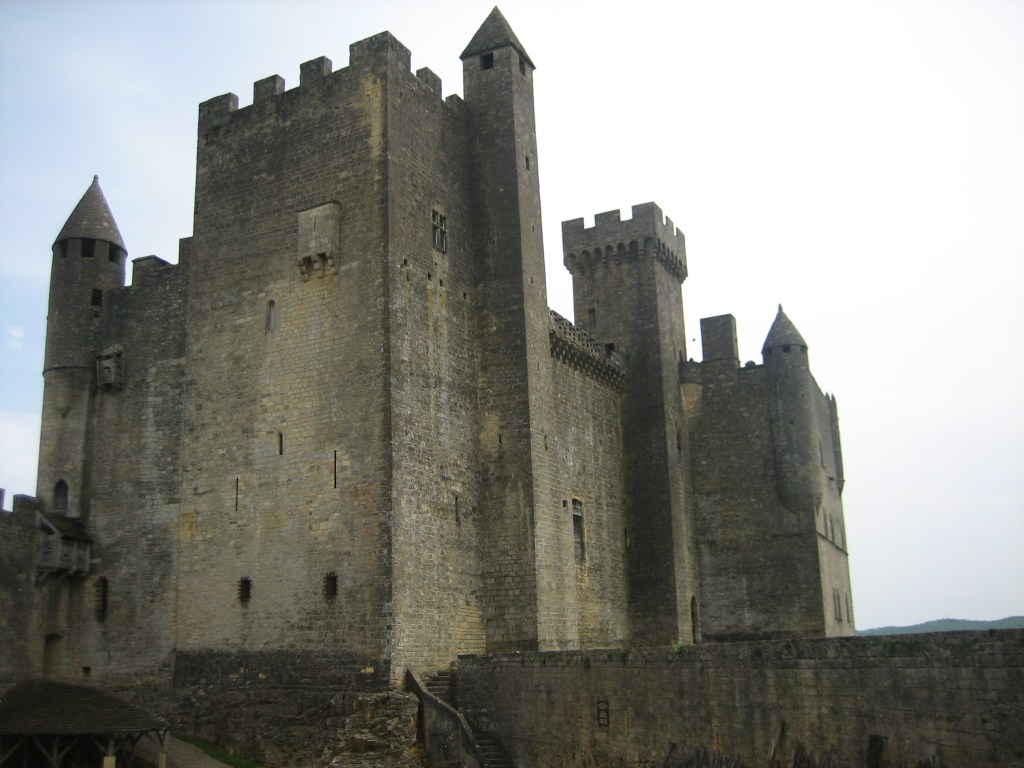
Another fabulous stop was Beynac Castle, which was in the hands of Richard 1st from 1189 to 1199. After his death it went back to the French and then back and forth between France and England during the 100-year war. The castle has been restored with some furnishings to give the rooms scale. Some entryways and rooms are lit with only oil lamps, giving it atmosphere, but making it difficult to see.
Lascaux Cave II
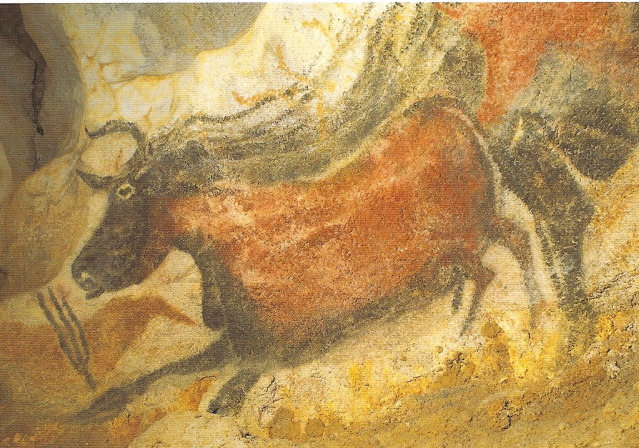
The original Lascaux cave was found in 1940. It stayed pristine for 17,000 years but within 23 years of tourists’ breaths and probably touch, it began deteriorating. It was closed in 1963 and Lascaux II was constructed from an old quarry as an exact replica. It was important to use a similar cave because the paintings used the contour of the cave to make the animals come to life.
I had read about Lascaux and saw programs about it, but it was really amazing actually see it in real life (at least the copy cave.) The paintings have vibrant colors and give the feel of motion.
Rouggignac Grotto
Also amazing for pre-historic drawings, is the less known Rouffignac Grotto. It is a very deep (going back not down) cave. It is open to the public by means of a little train. The train driver, also the guide, stopped the train at various points and activated a light to show us the drawings (otherwise we were in semi darkness to help preserve the paintings). We saw some bear claw marks, from 20,000 years ago. The drawings of bison, horses, mammoth and ibex were from 13,000 years ago. These are line drawings rather than the colorful ones of the Lascaux caves, but they are well executed and it was exciting to see the real paintings.
Les Eyzies
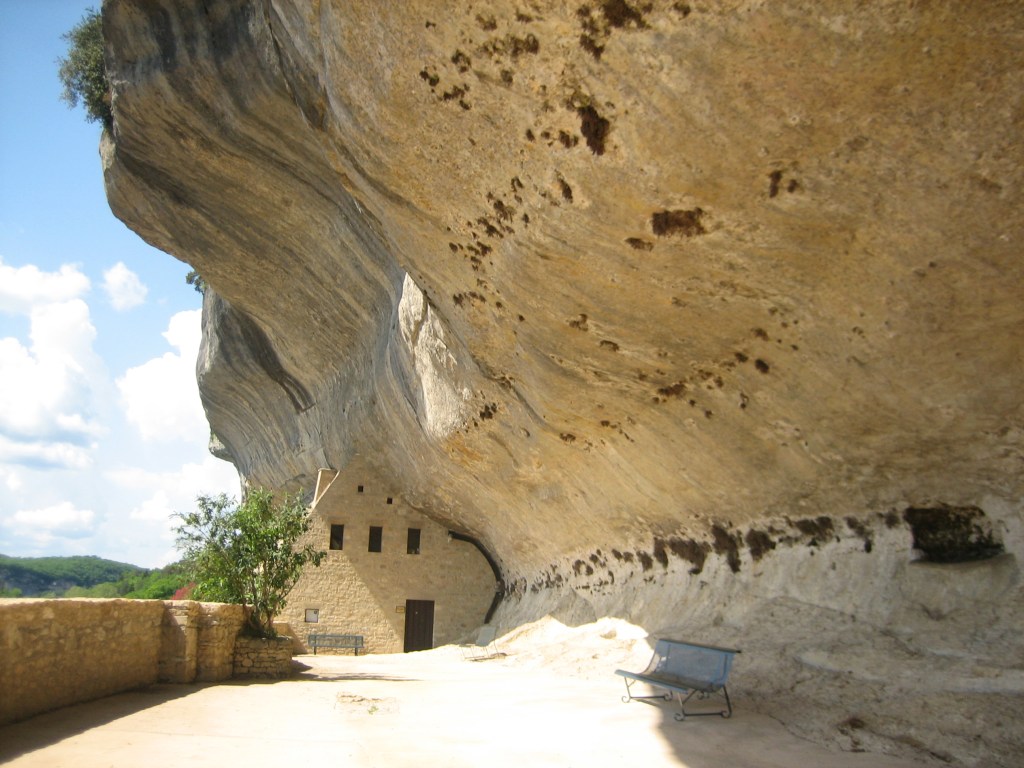
The Les Eyzies Pre History museum was a wonderful follow up to Lascaux and Rouffignac cave drawings. The remains of five Cro-Magnon man were discovered in 1868, on Mr. Magnon’s land in a rock shelter. I learned that Neanderthal and Cro-Magnon man lived at the same time but did not mate.
This was a fun and educational trip. We had lots of relaxed meals and plenty of wow factors.
Final Comments:
- Having a dedicated driver/guide making arrangements and knowing the area was great.
- A good tour guide can add much value by planning the timing to take advantage of events, such as being in Sarlat on a Saturday or being in Lascaux in time for an English speaking tour.
- Sharing the expense with friends worked beautifully. Unfortunately, our friends, being older than us, were not willing or able to take future trips. They have since passed away.
 Nili's Adventure
One of my favorites, Nili. In addition to reliving a perfect visit to France, it’s lovely to remember Barb and Harvey.
LikeLike
Yes, I miss Barbara and Harvey all the time. I channel her when I go to a play and leave at intermission. Only if I am not crazy about the production. She gave me the “permission” to do so. It was a magical trip.
LikeLike
Fascinating! I never knew these places existed except for the Lascaux caves. [Sent from my iPhone]
LikeLike
That’s the beauty of traveling.
LikeLike