
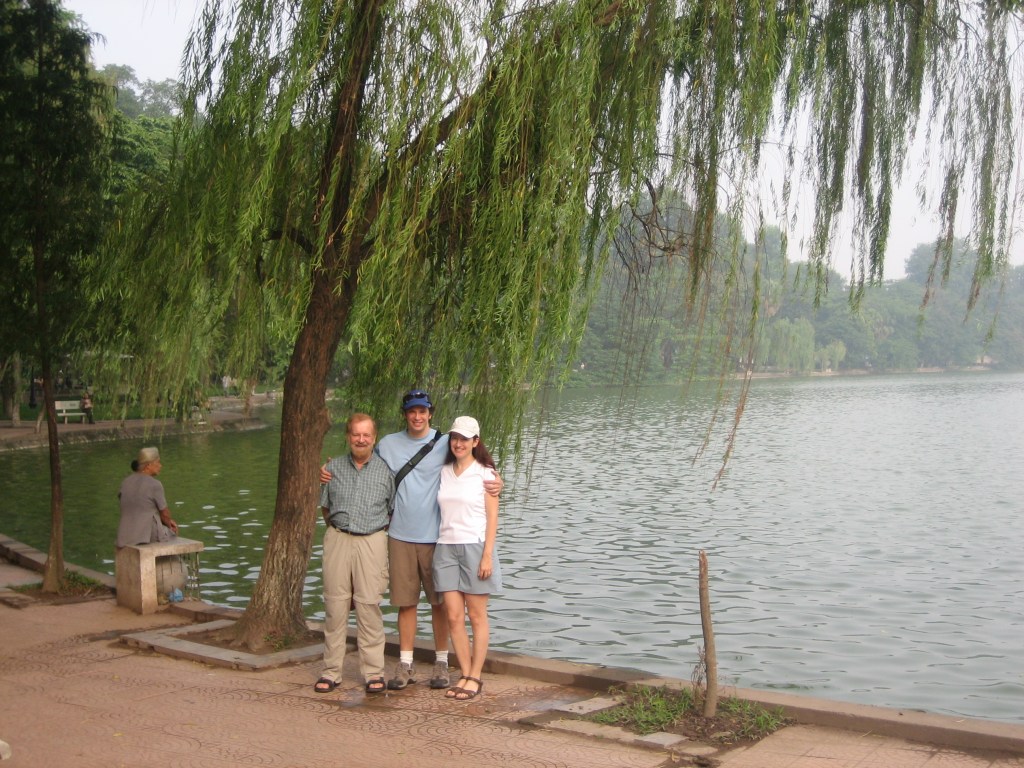
In 2005 my son, Stefan and his wife, Rachel decided that they would like to live for a while outside of the U.S. Stefan found a job at a Vietnamese company in Hanoi and Rachel found a job in the international school teaching English. We now had a great excuse to go to SE Asia. The trip included time in Vietnam, Myanmar, and Cambodia.
Vietnam:
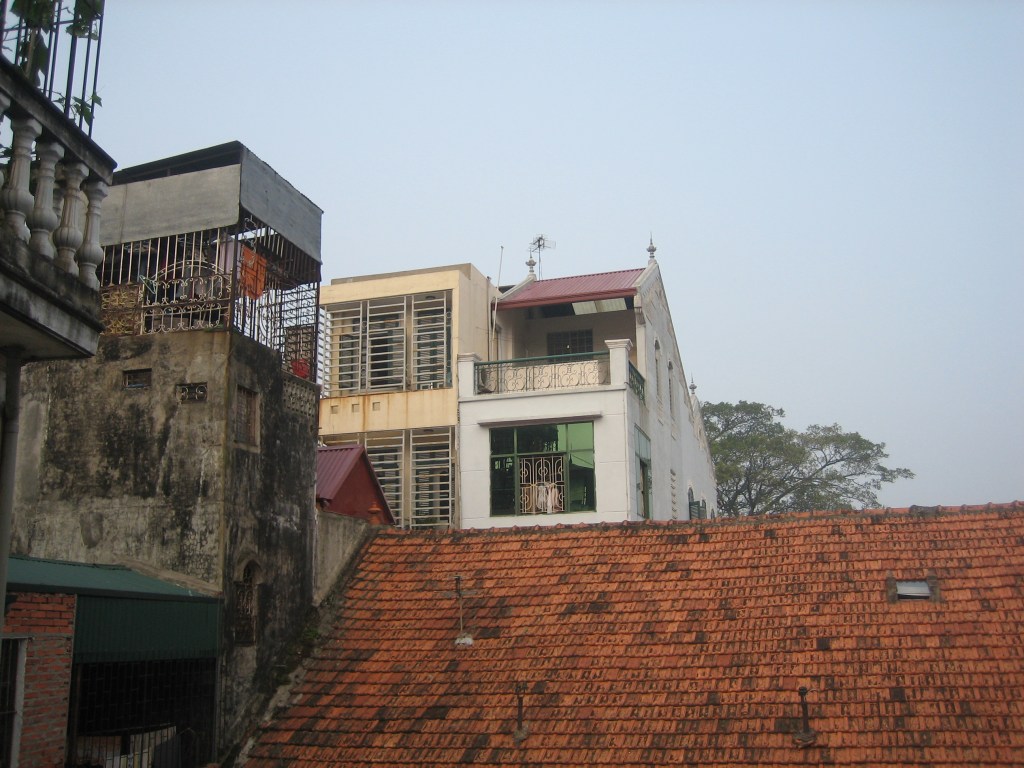
Stefan and Rachel decided to go “local” and rent a house in a neighborhood without ex-pats. It was an odd mixture of beautiful charming buildings and others that looked like slum houses. Stefan was very friendly with his neighbors, especially the children, even though his Vietnamese was limited.
At his suggestion, we brought gifts for the neighbors. Their first question to Stefan was “What is our ages?” While in our culture, this is considered rude, in Vietnam it is necessary because you are addressed according to age. Age is respected. It was wonderful to be in a foreign country, yet living with my children in a neighborhood, rather than in a hotel.
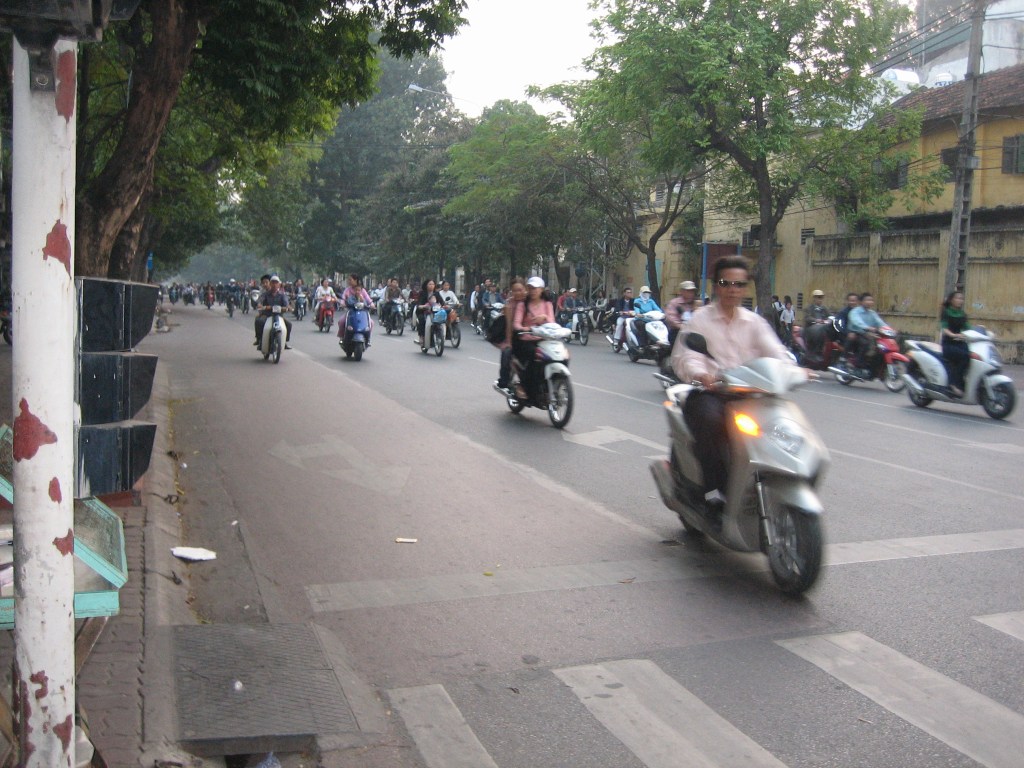
Hanoi residents travel mostly by motor bikes. There were very few stop lights, and traffic never stopped, therefore, crossing streets was scary.
Luckily we had Stefan and Rachel as our guides. To cross we waited until there are no cars, then just start walking through the traffic.
We had to keep a steady pace so that the motorcyclists would know where we would be when we were close to them and they would stream around us.
The old part of the town was arranged by streets: shoe street, clothes street etc. Shopping was fun.
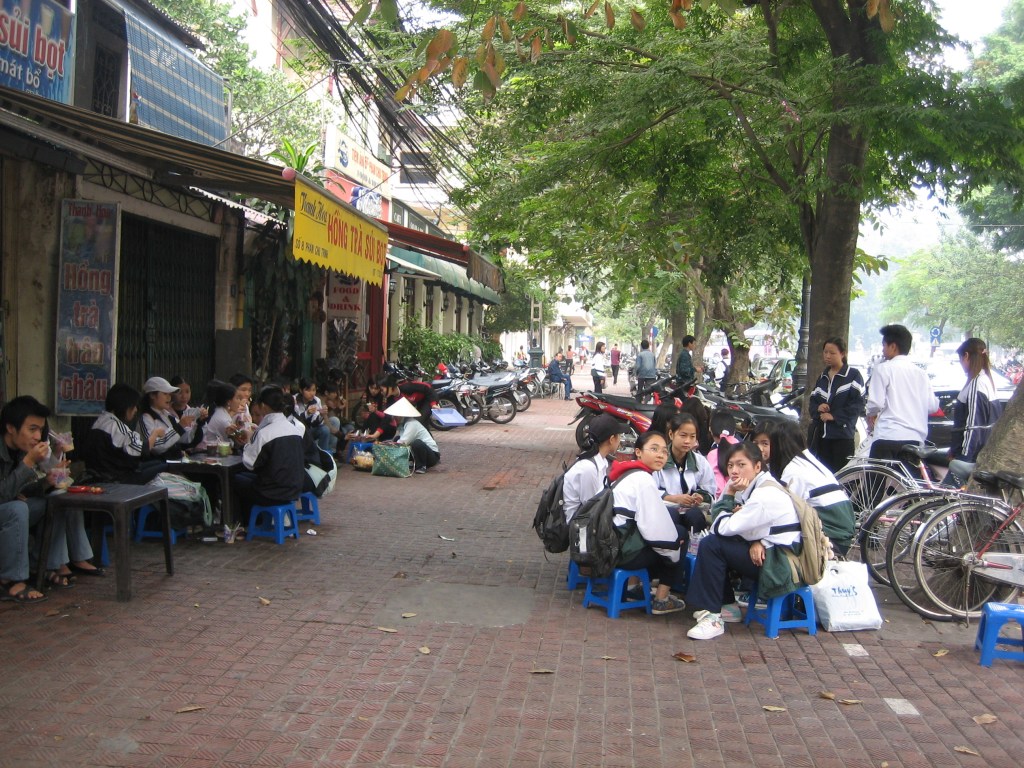
The sidewalks, were impossible. They were clogged either by parked motorbikes, or sidewalk restaurants. All these “restaurants” serve on kid size plastic chairs and tables.
One morning we ate Pho (soup) for breakfast at one of these restaurants on these low chairs. The Pho was delicious.

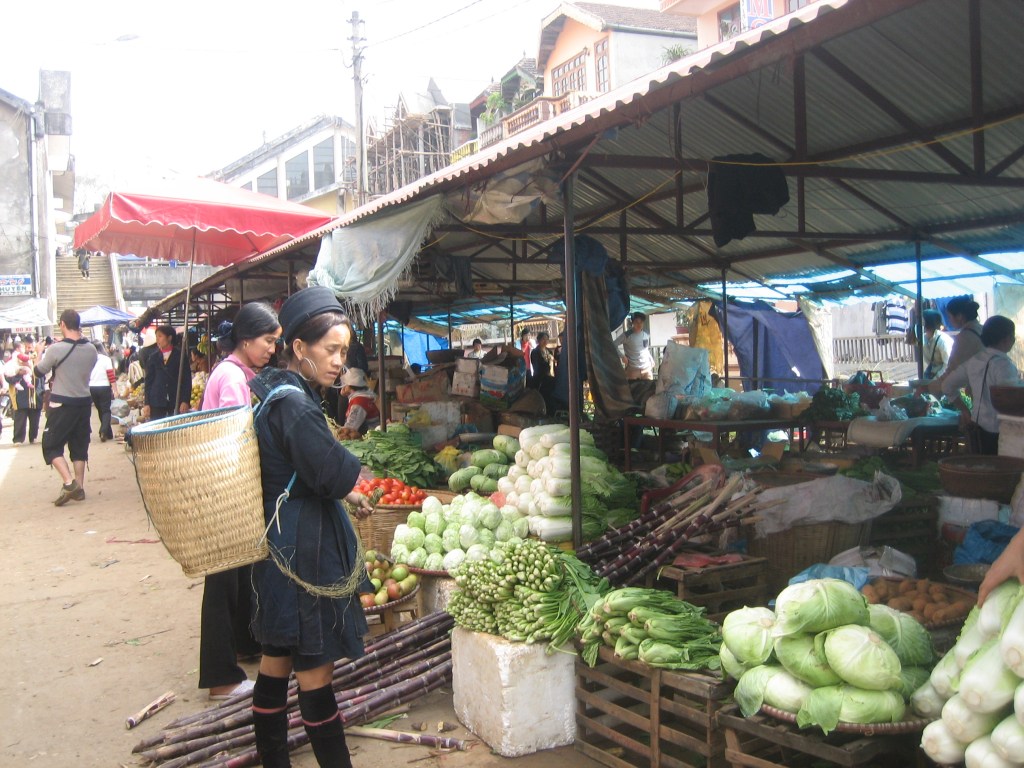
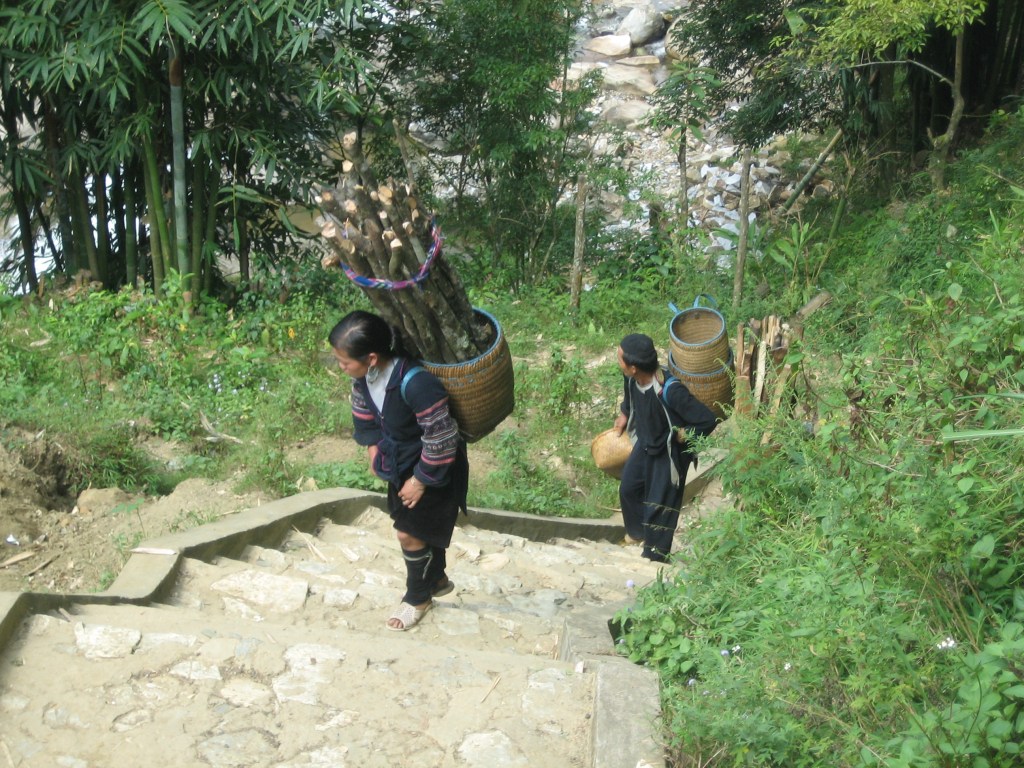
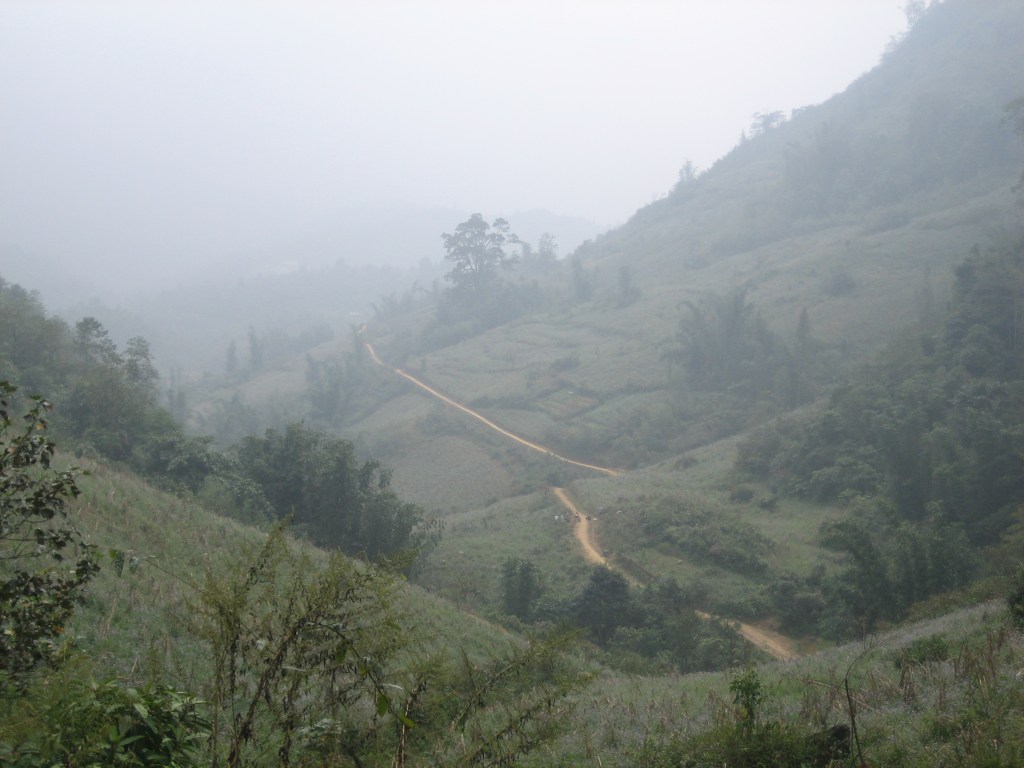
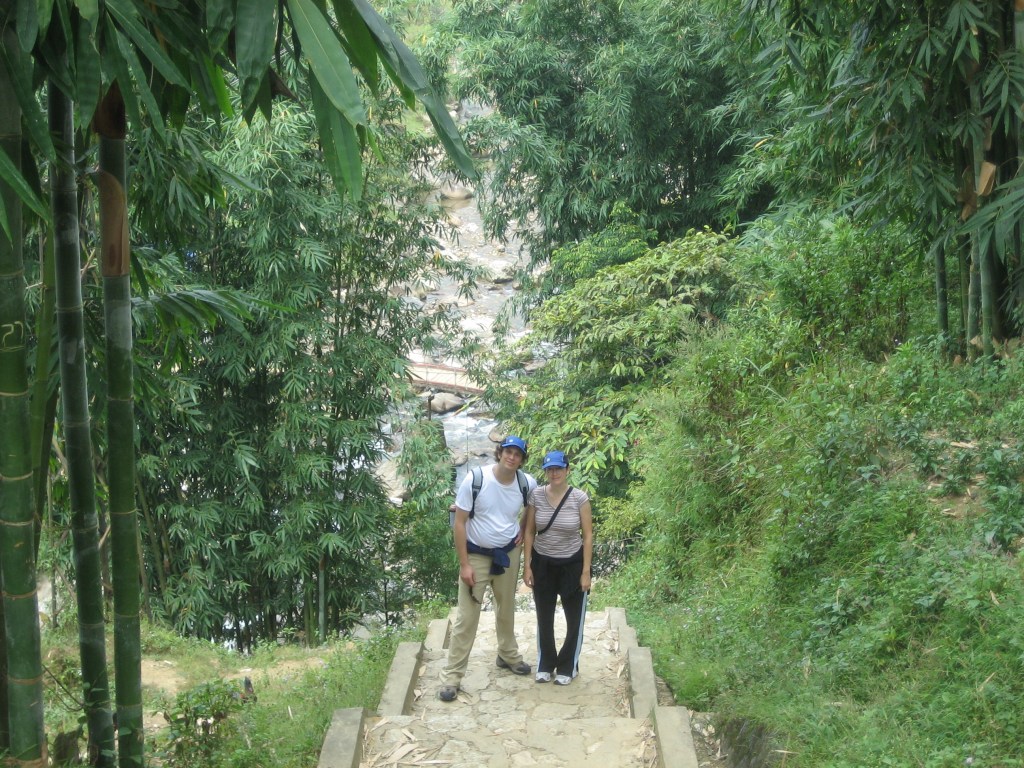
We took a side trip from Hanoi to Sapa, in the north of Vietnam near the Chinese border. Sapa is located in beautiful mountain terrain and is a great place to hike. Vietnam has many tribes, and in the countryside the women still wear their beautiful and colorful tribal clothes. A number of different tribal women came into Sapa to sell their woven purses, clothes and jewelry. They also do fabulous weavings; I couldn’t resist buying a wall hanging.
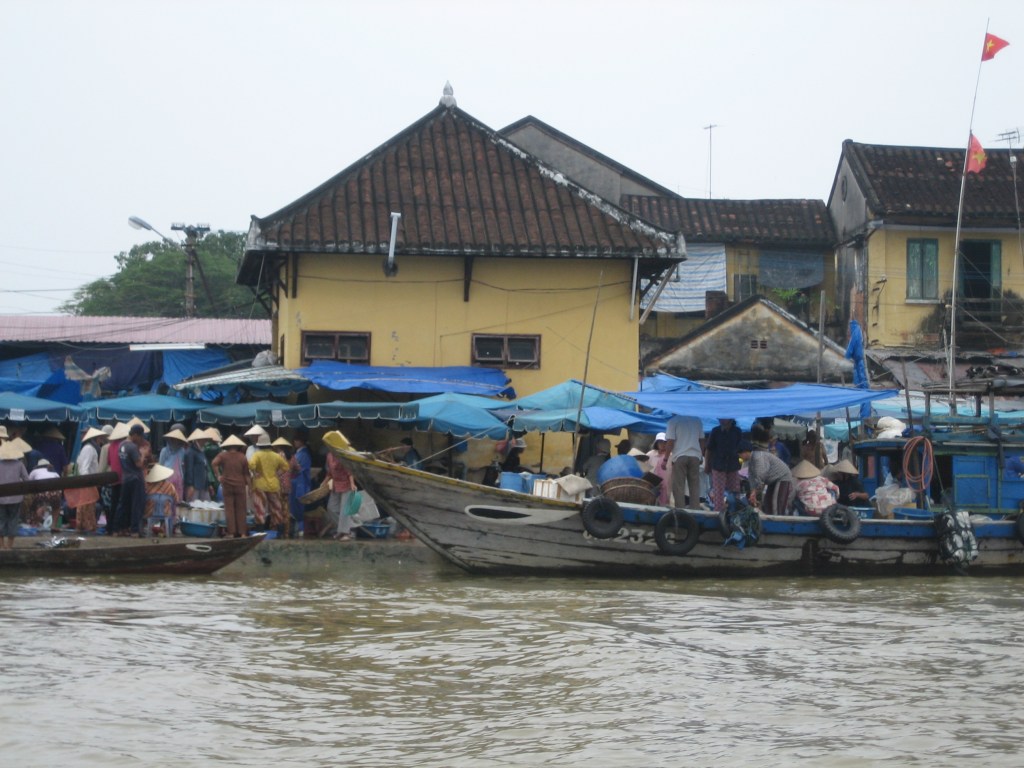
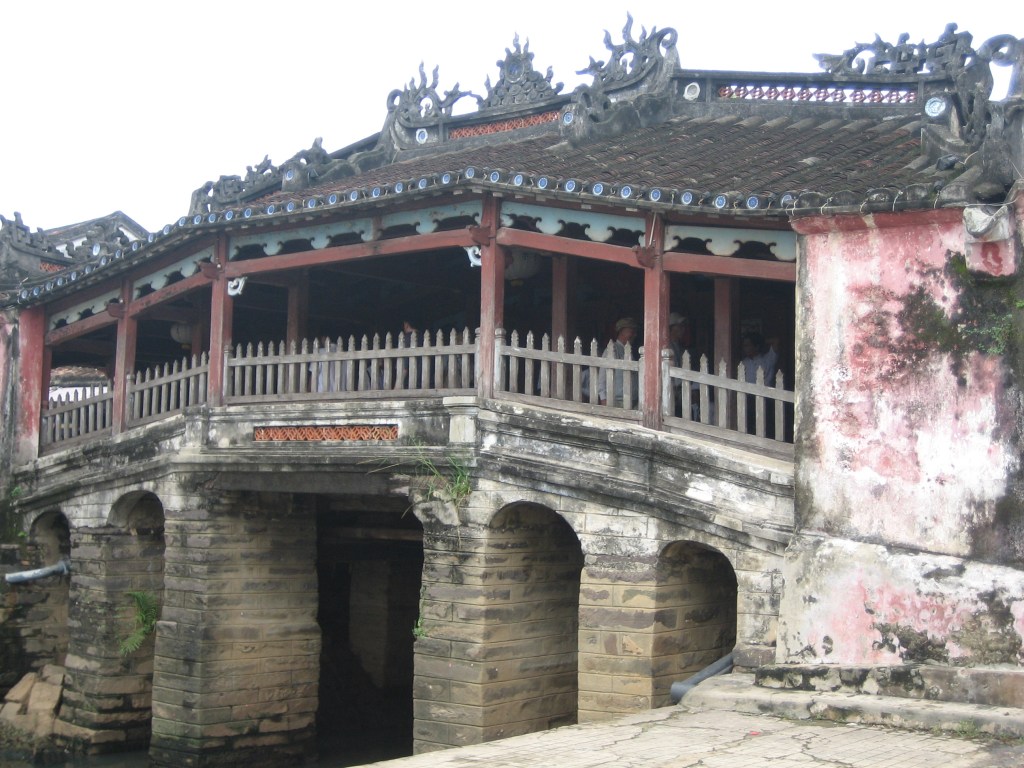
Another side trip was to the charming city of Hoi An, a UNESCO city. Hoi An specializes in dress making. There are hundreds of shops that make clothes to order. I had one dress made, and one altered. It is an interesting process. They can use a picture or copy an item. Then you choose the fabric. There is usually at least one fitting. The store we picked was right in the middle of the old town, therefore we could do the fittings between sightseeing. It was all done in a day.
Myanmar:
Myanmar is primarily a Buddhist country and has many wonderful temples, pagodas and a rich culture. We did hesitate about visiting a politically repressive country. However, staying away, would hurt the tour guides and other tourist businesses, and that was our rationalization for going. It was a fabulous adventure, and I am glad we went.
The trip began in the main city, Yangon, which was quiet after visiting Hanoi with its many motorbikes. The city’s population is mixed racially; for instance, our guide was 25% Chinese, 25% Indian and 50% Burmese. The men and women wear a skirt made from a cloth cylinder that they tie around the waist and a plain blouse on top. The writing is very circular – 36 letters to the alphabet. The three main foods are rice, chili and cooking oil. The cafes use the same small table and chairs as in Vietnam.
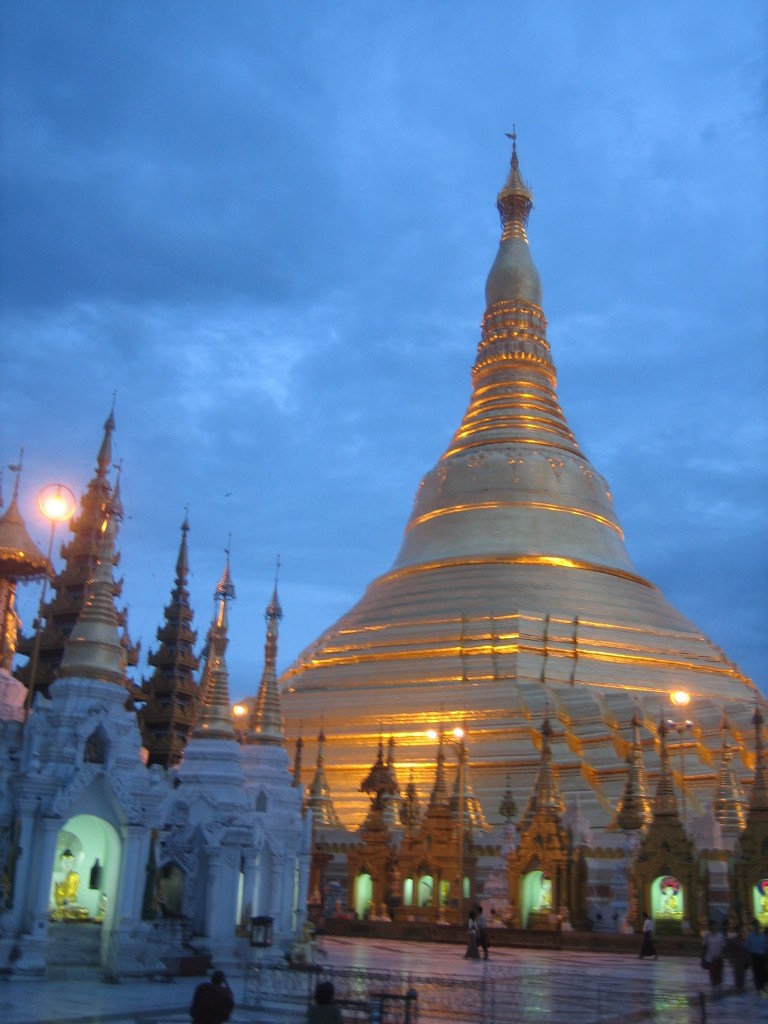
The most impressive and beautiful pagoda in Yangon was the Shwe Dagon Pagoda. It consists of a huge stupa surrounded by many temples. It was started 2500 years ago and finished in the 17th Century. It is totally covered with gold leaf and is 100 meters high. Our guide timed our visit so that we would arrive about ½ hour before sunset. It was impressive in the day time but after sunset when the lights were on, it just shimmered. It just took my breath away.
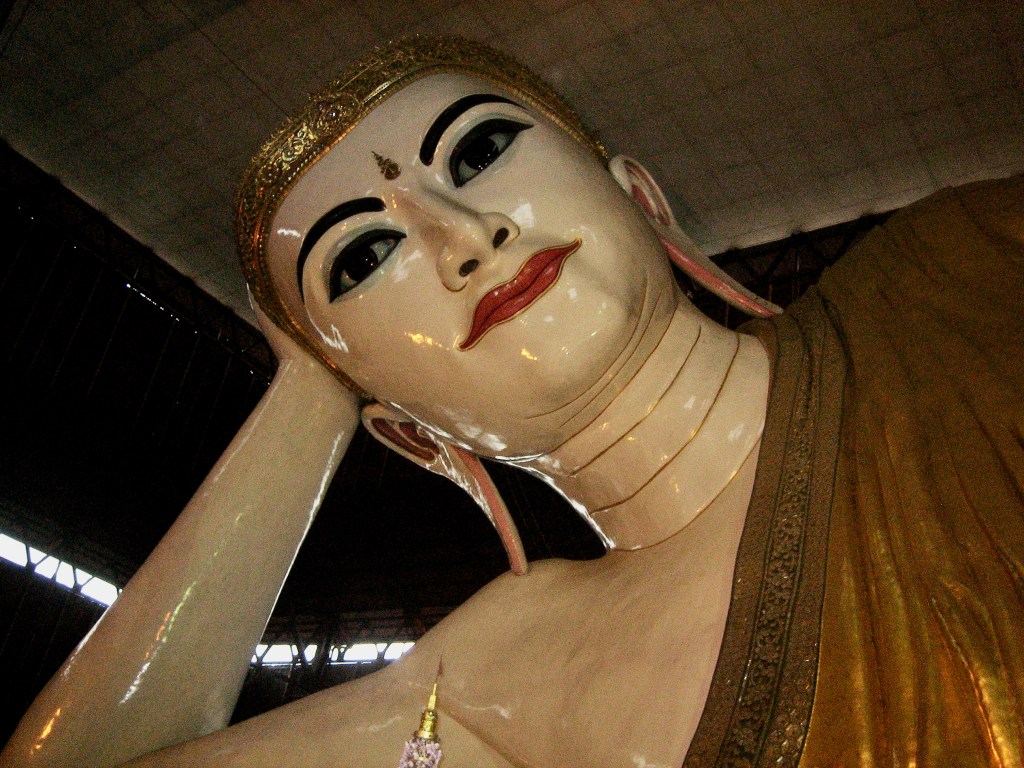
There were many Buddha statues in the pagodas. This reclining Buddha is my favorite one. It was so large; I could only photograph part of the body.
The Hike
One of my incredible experiences was a strenuous 3 day/2-night hike in the mountains. We were scheduled to hike to two monasteries, where we would spend the night.
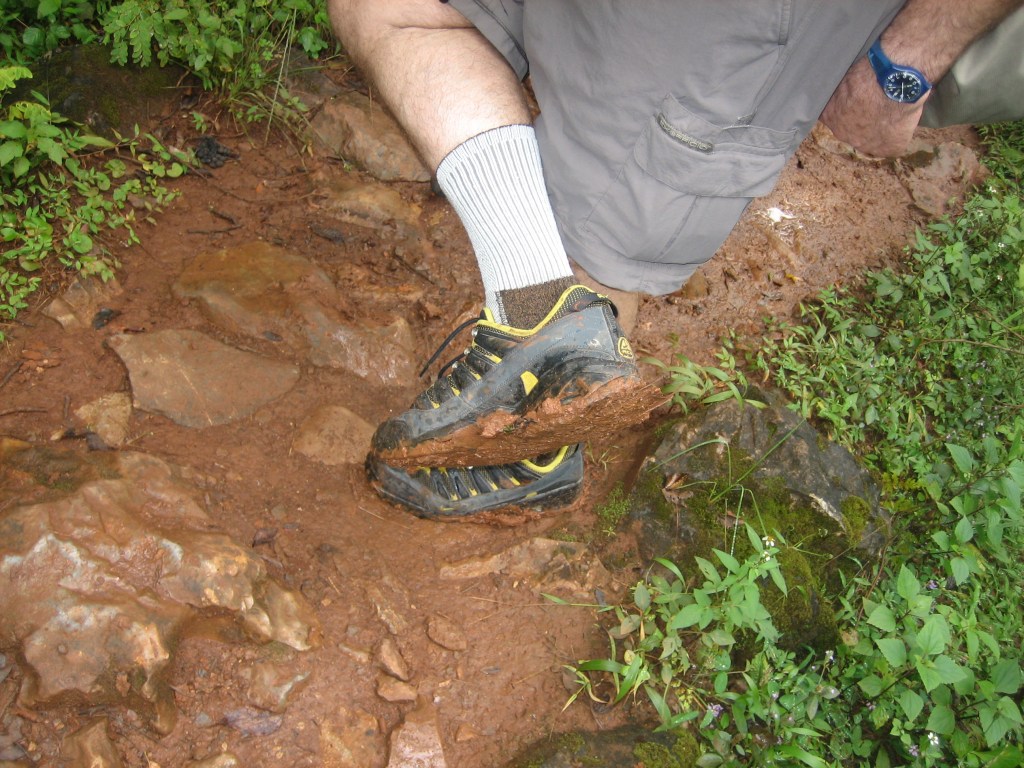
Unfortunately, it had been raining heavily, and the trail was extremely muddy. The red/brown clay stuck to our hiking boots like glue. After a few hours of slogging, we arrived at our lunch stop, a private home.
The family welcomed us upstairs to the all-purpose room. While we ate, it rained for a solid 2 hours. Our guide felt that it would be too muddy to continue on to the monastery where we were to sleep that night, therefore, he made arrangements for us to stay at our lunch hosts’ home for the night. When the rain let up a bit, we visited some of the village people including a midwife and the school master. The guide acted as the interpreter. In the evening, the host family came up to the all-purpose room (which was to be our bedroom) and watched soccer with us. It was very cozy. The house had no running water or indoor toilets. The outhouse (squat toilet – which I don’t mind) was in the yard, down 21 steps. With the rain, those steps were very slippery!! The “pee potty” came into use.
The next day, as we hiked, we saw fabulous views and lush countryside, tea plantations and magnificent orchids. We had lunch in a monastery. The head monk knew English; therefore, the conversation was easy and interesting this time.
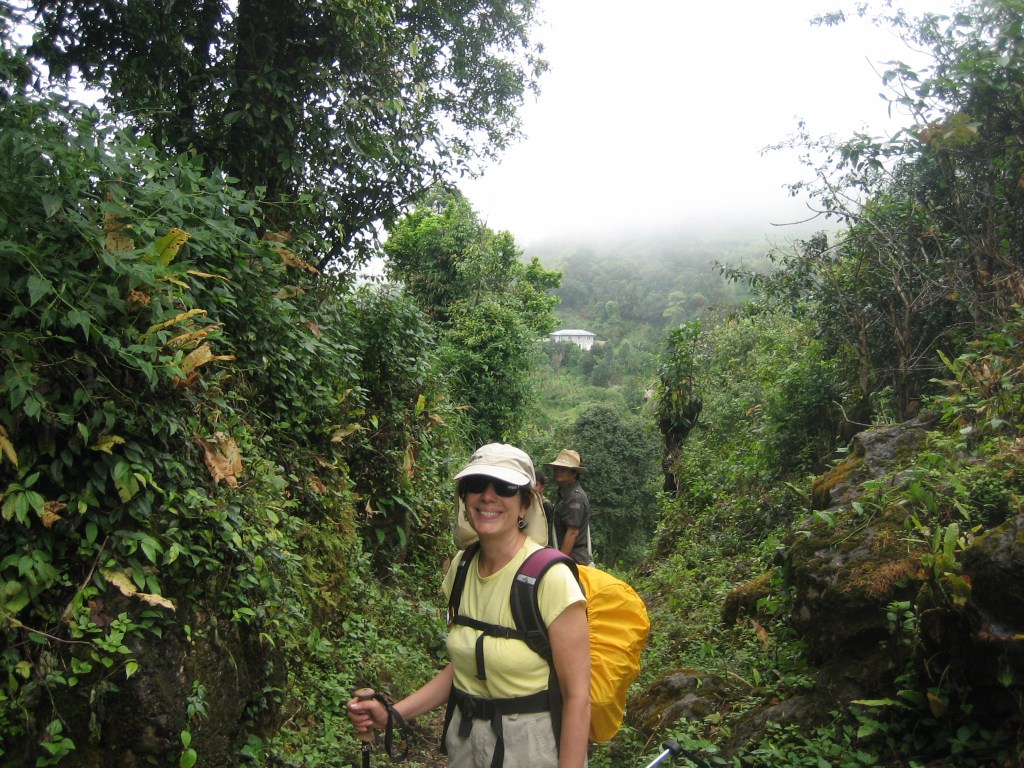
That night we slept in a village monastery run by four monks. There was a large rectangular room – about the size of a school gym. The village people came to pray, but also to socialize. Since it was Sunday, the village children were there to watch TV, because the individual houses do not have electricity. The monastery is a holy place – shoes off no shorts, but it is also a homey place. The monks were very welcoming. We had a fairly private place to sleep but the monastery’s toilet was even further from the building and even on a more slippery slope than at the house the previous night.
The hike ended at Inle Lake where the houses are on stilts in the shallow water.
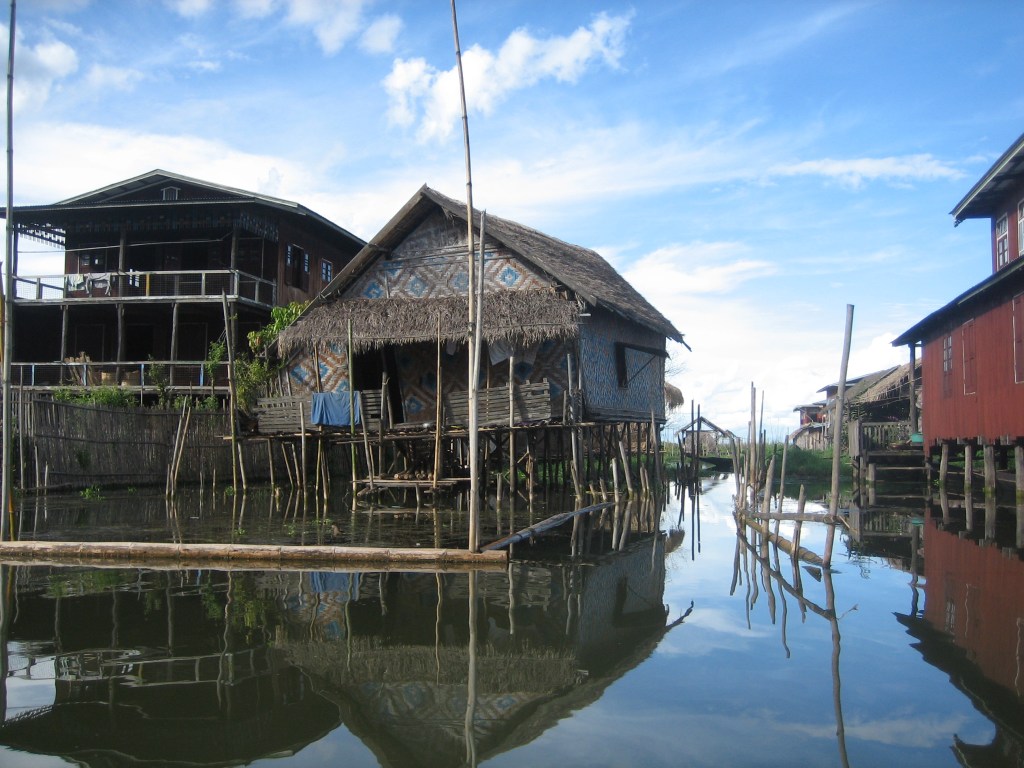
Apparently the inhabitants of the lake were refugees. When they arrived, the king said they could stay but couldn’t live on the land – hence the stilt houses. Most of the houses were one-room affairs made out of woven bamboo slats. Some are made of wood and have two levels. All had little boats to get from place to place since they are surrounded by water. Kids as small as 2 or 3 were rowing. All the children waved as we passed.
Our wrong resort saga: Our resort advertised an off-site spa two miles away. The hotel car was not available when we were ready to go, therefore we decided to walk. After about 30 minutes we came to a hotel called Cherry Spa Hotel. We asked if they were the spa we were looking for and they said yes, and invited us in. They cranked up the hot pool, cleaned it and filled it, and gave us towels and a place to change. We really enjoyed the mineral pool. Afterwards, they gave us a room to shower in and the towels as well. For all this, they wanted $2 per person. The spa desk called our hotel and a car came to pick us up. That is when we learned that it was not the spa associated with our hotel. The one that is connected to our hotel is fancy and is another 1/2 mile down the road. The Cherry Spa Hotel was definitely a class B Spa/hotel. But they were so friendly and welcoming that I am glad we went to the wrong spa.
Mandalay
Mandalay – the name evokes such romance. Unfortunately, the city itself was not particularly charming. However, being there allowed us to experience a couple of wonderful places.
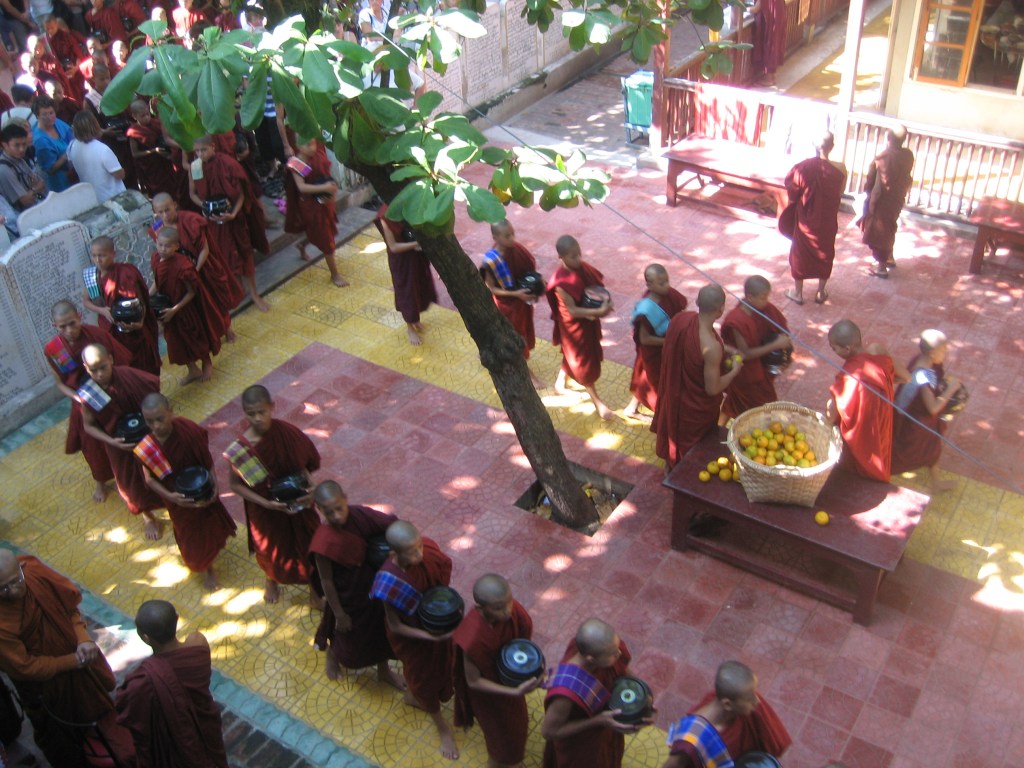
The first was the Maya Bandayon monastery, which has over 1,000 monks. They line up each day to go into the city and beg for their one meal at 10AM. Note that they all hold their rice bowl.
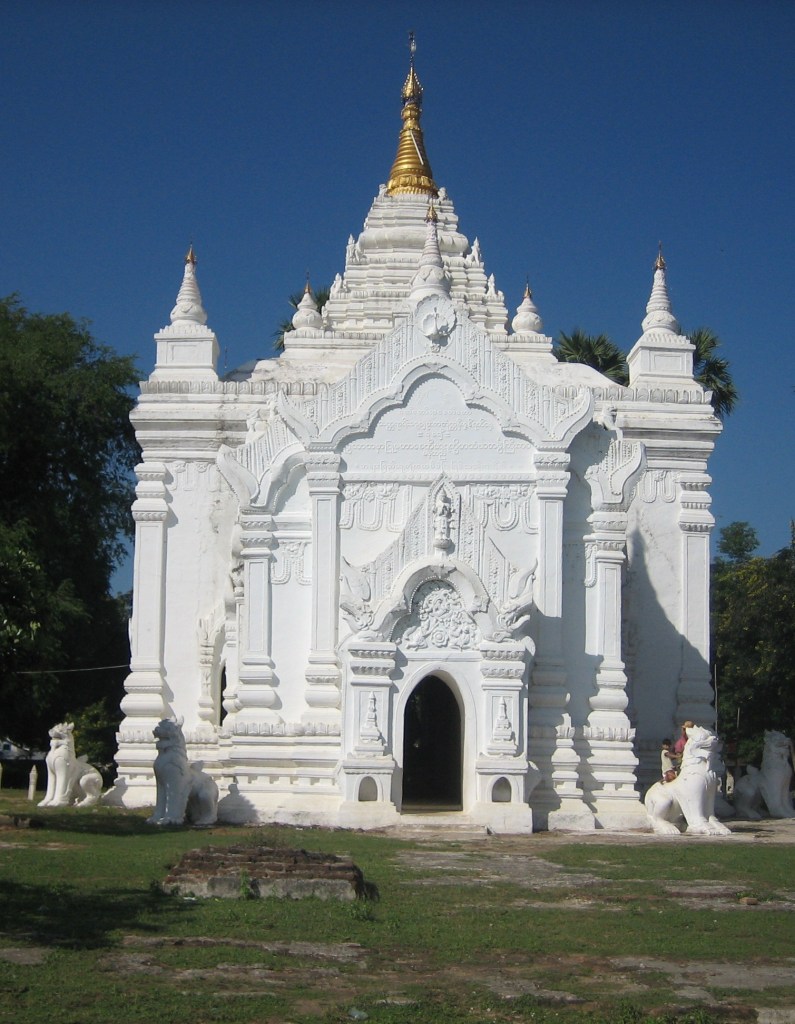
We took a short ride on the Ayeyarwady River to the Hsinbyume Pagoda in Mingun. As you see, it is absolutely beautiful. While on the river, we saw a number of barges and fishing boats.
Bagan
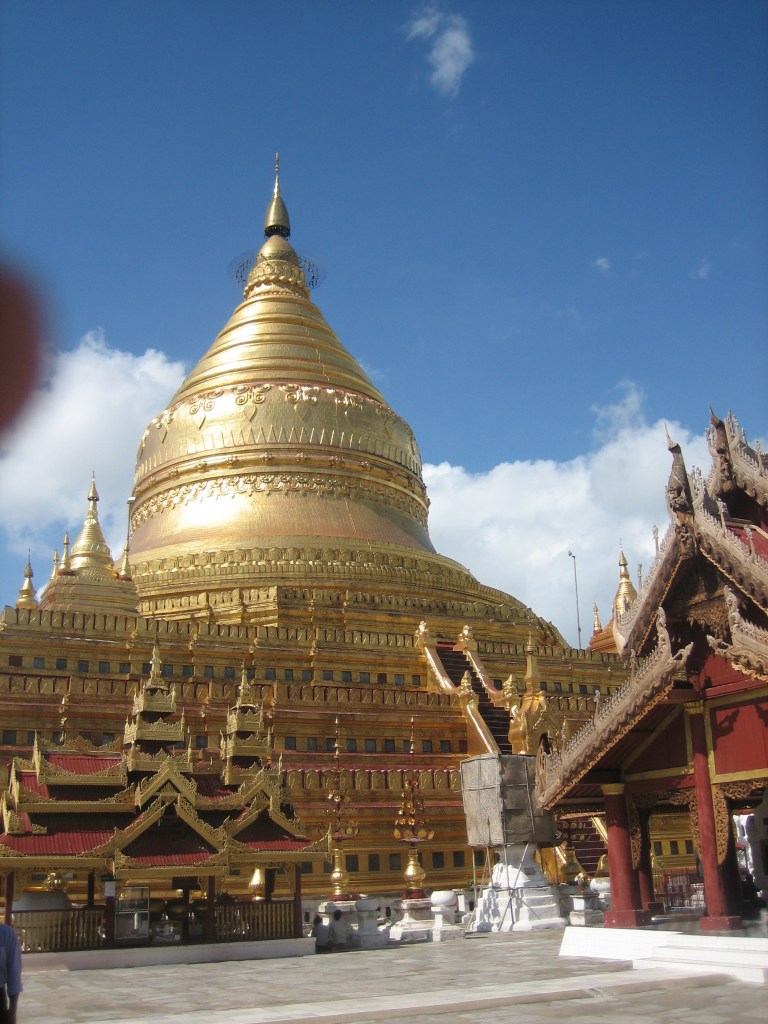
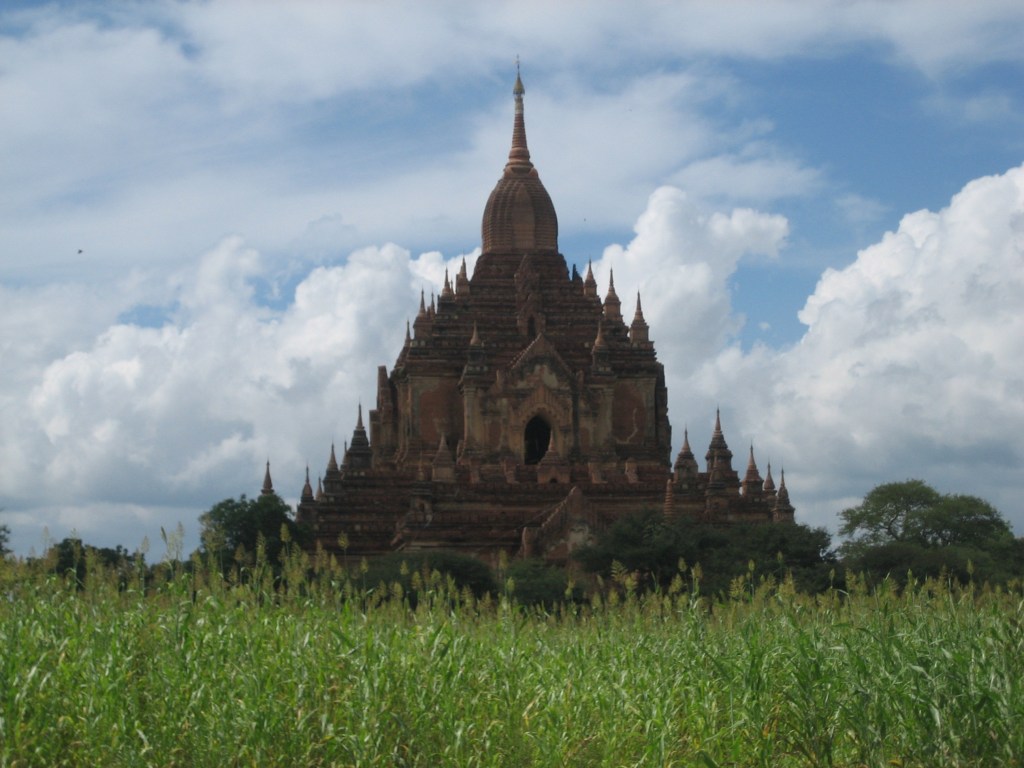
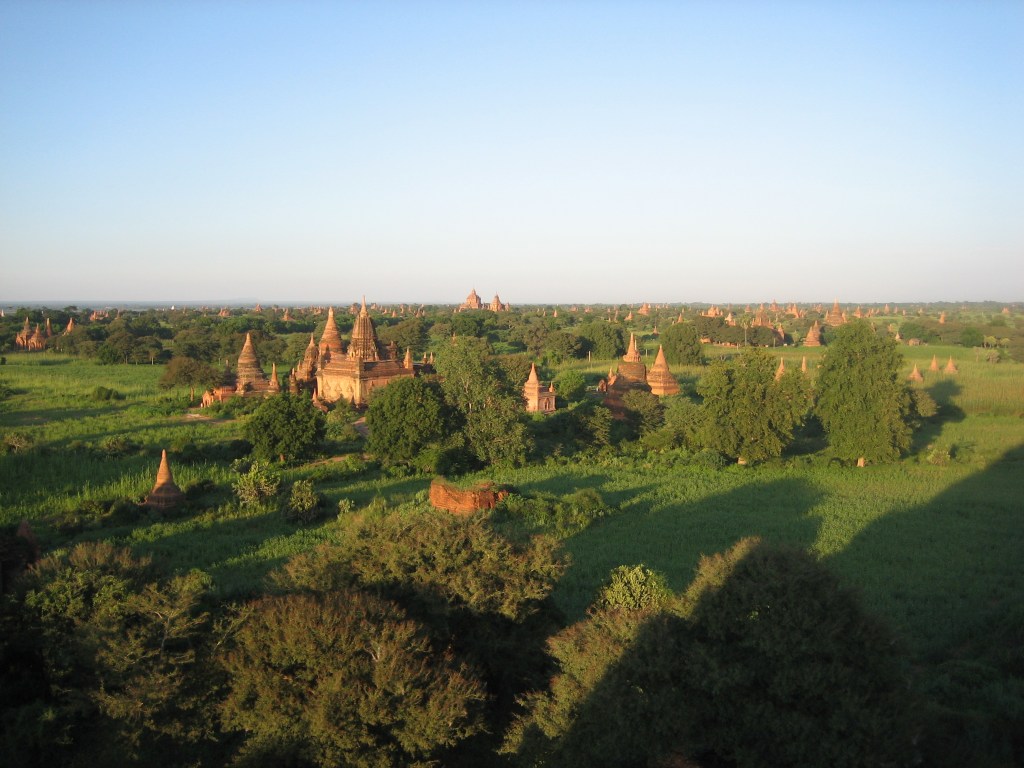
The highlight of the Myanmar experience, though, was Bagan, the city of pagodas. There are over 3,000 pagodas in the old part of the city. The eldest is from the 3rd century but most are from the 11th and 12thcenturies. Many of the pagodas have statues of Buddha, either reclining or standing. One fabulous experience was climbing 50 very steep steps to the top of the Shwe San Daw Pagoda to view the valley dotted with these pagodas and the fabulous sunset.
Ngapali
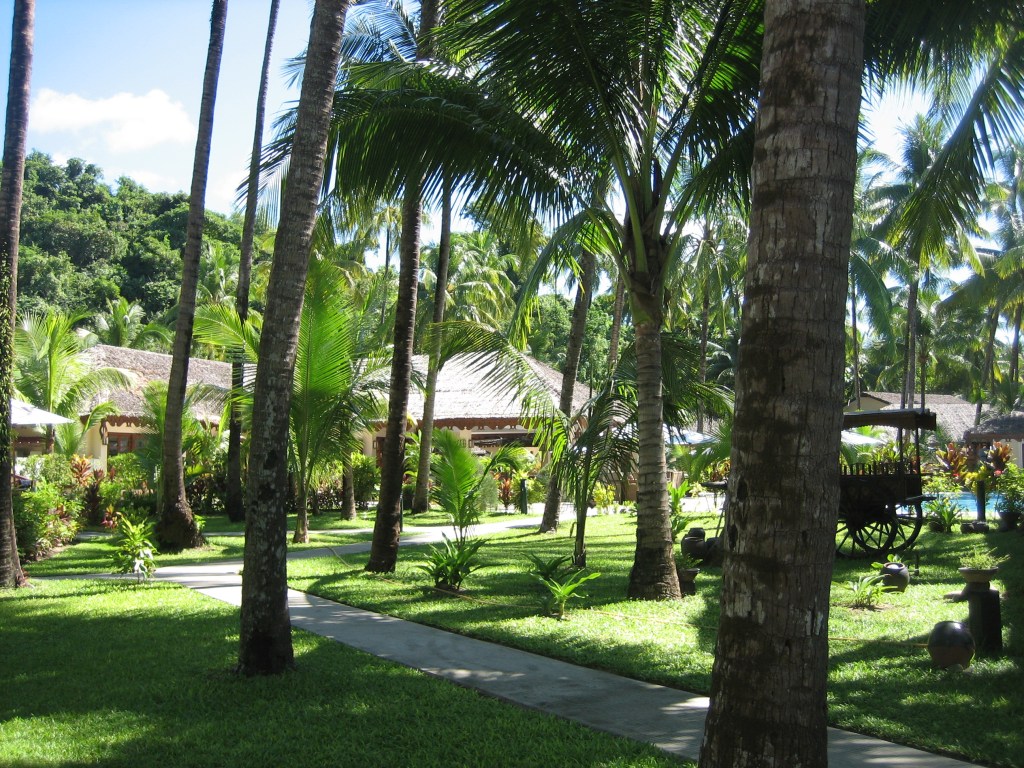
We finished our time in Myanmar by relaxing in Ngapali at the Bayview Beach resort. After vising untold number of temples and pagodas, it was fantastic to just sit and read or swim and eat great food.Waking distance from the resort were lunch restaurants with incredibly good fish and salads.
Although I packed lots of books, the many hours at airports waiting on delayed flights, caused me to run through my reading material. Unfortunately, this was a German resort and most of the books in the “take a book” bookcase were in German. I did find 3 English books and was thrilled.
True to form, our flight from Ngapali Beach back to Yangon was changed three times over a 24-hour period. However, it was worth all the aggravation to see this incredible country.
Cambodia:
Compared to Myanmar, Cambodia was “modern”. There was still red tape (5 different people to check my visa). But it was organized red tape.
Siem Reap
Siem Reap was our headquarters for the archeological sites. The beauty of having four days, a guide and not being on a rushed tour, was being able to visit many of the sites, not just main ones.
The temples were lost long ago and forgotten because the jungle, never far away, covered them over for centuries.
Angor Wat is the largest and best known (and most visited). It was built in 37 years using 600,000 laborers around 1200 CE. The entire area is a rectangle about 1.5 km by 1.3 km. It has 5 towers in the innermost complex – one in each corner and one in the center. The towers stand for the mountains in their mythology. Around the temple is a moat that stands for the oceans. In front is a lily pond, which reflects the temple.
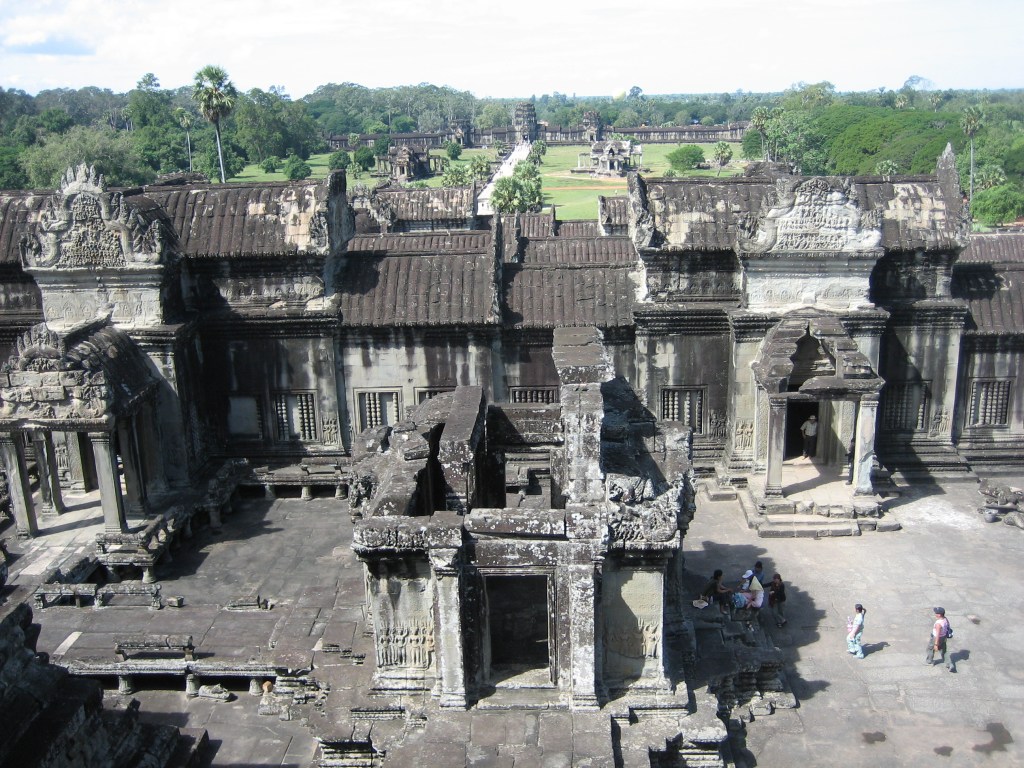
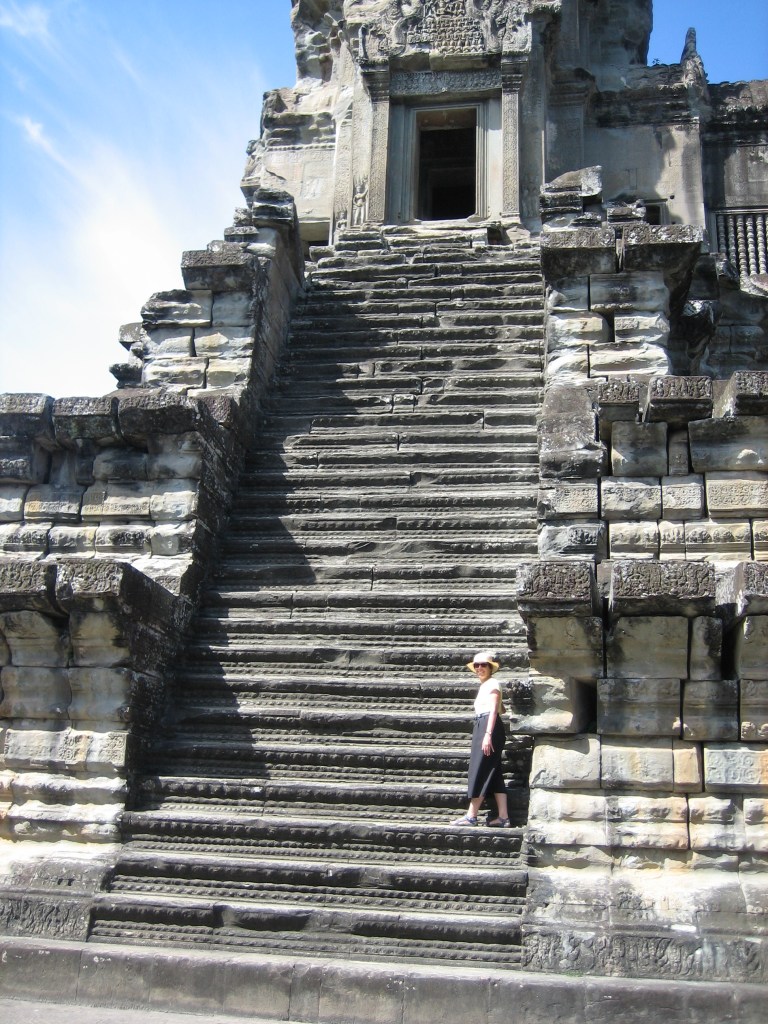
The blocks for the structure are large sandstone and fit together without the need for mortar. There are three levels to the temple. It is possible to climb to the top, which we did, for a remarkable view.
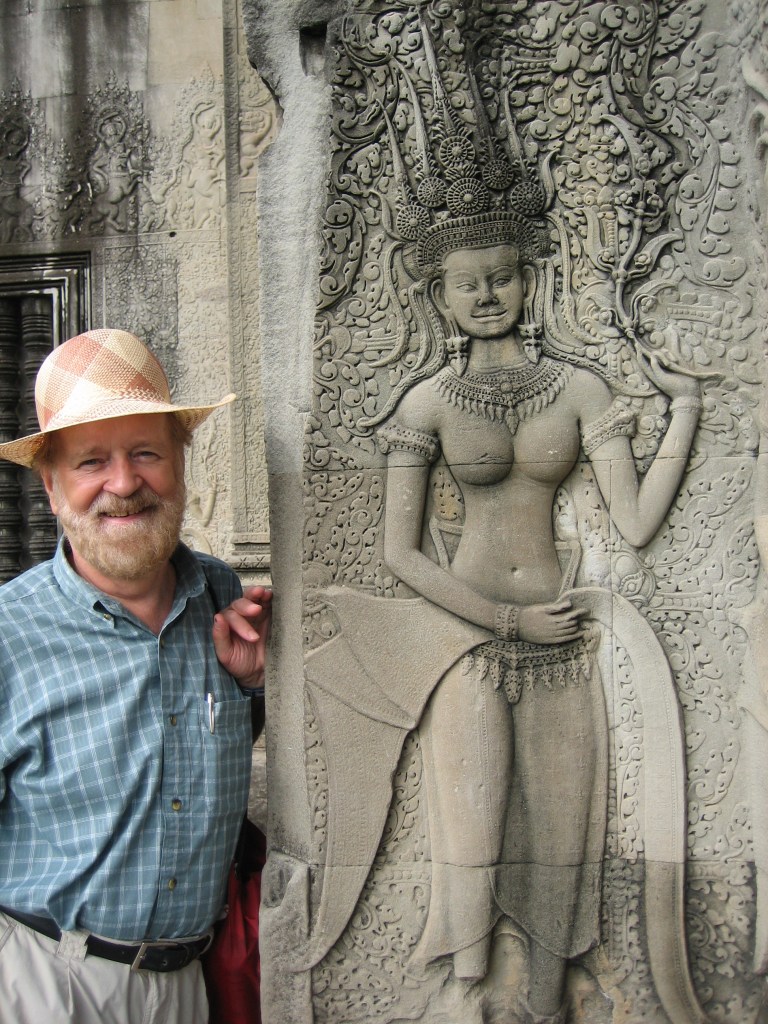
Raised sandstone carvings with dancing ladies fill some of the walls. Others depict mythological stories and histories of conquests. The art is not stylized, each person is depicted with his/her own features.
There were other sites well worth visiting including Angor Thom, which is also extremely large and impressive. It has numerous temples and the remains of a palace with its terrace and swimming pools.
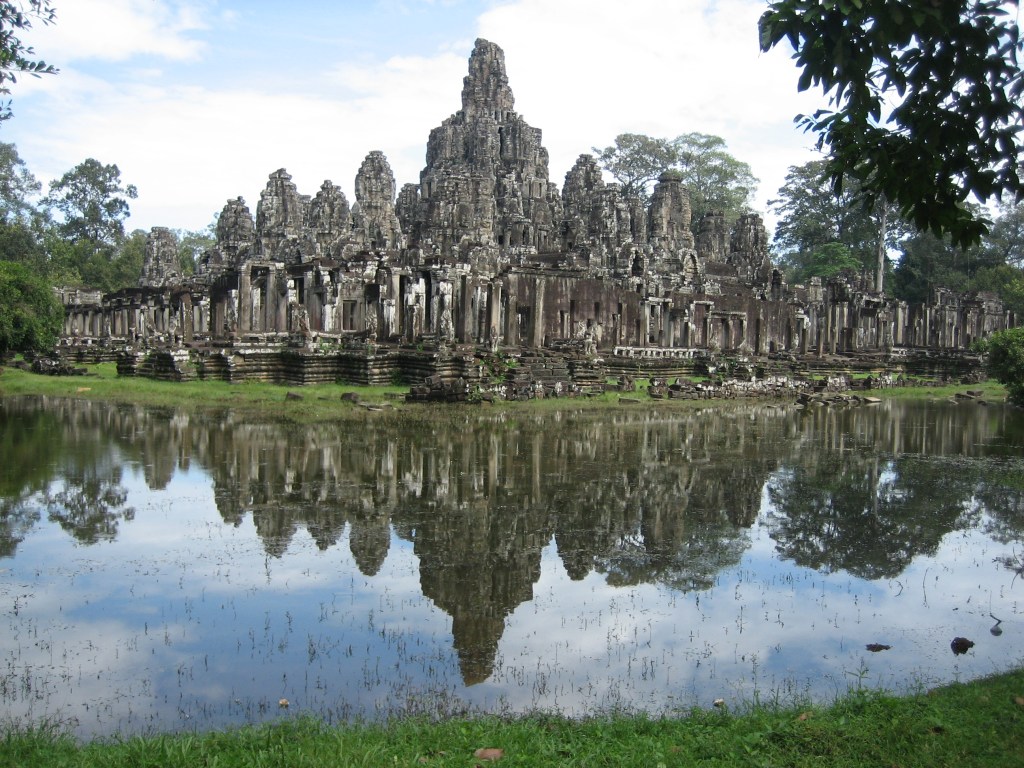
Another impressive site is Bayan. I could not resist adding this awesome picture to the write up.
Also wonderful is Ta Prohm. This site has not been totally excavated and the visitor can see the huge jungle trees growing through and around the temple.
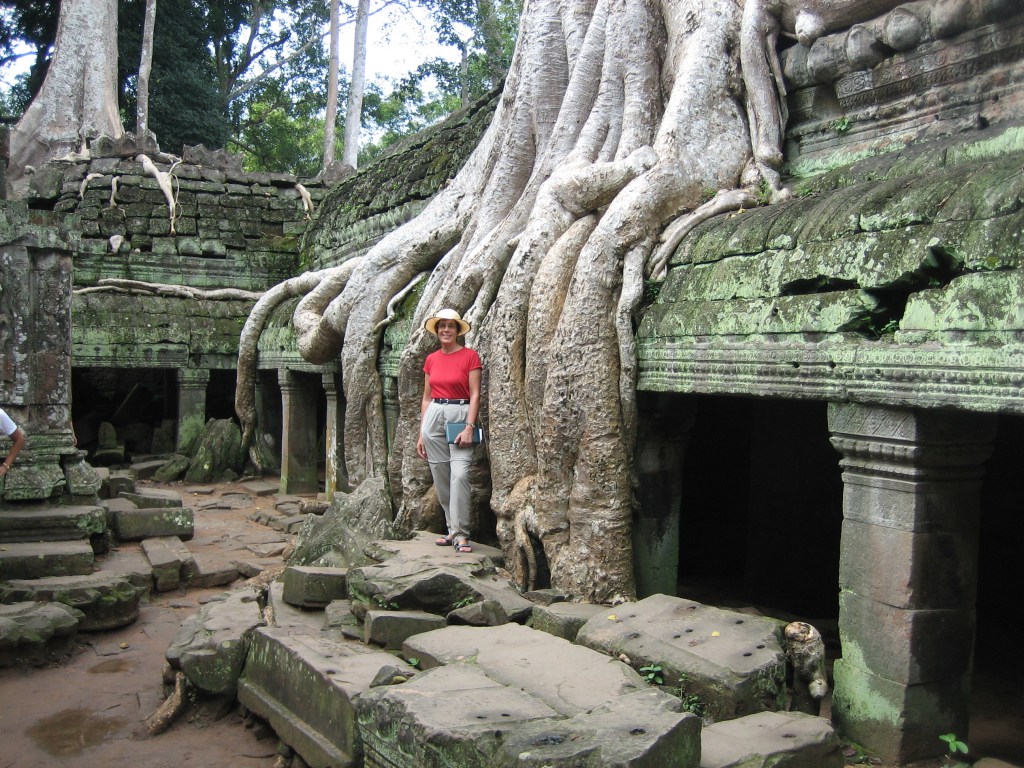
There was plenty to see in addition to the sites, and having leisure allowed us to climb Mt. Phnom Bakheng to see the sunset, visit the Kbal Spean National Park, see the 1,000 or so phallic like structures called lingas, as well as to visit workshops.
We also found the restaurants wonderful. I especially enjoyed the Lac Lak (beef) and the hot pot – consisting of vegetable soup and meat cooked by ourselves on a contraption at the table.
Phnom Penh
Phnom Penh is the main city in Cambodia. The most interesting attraction here was the King’s Palace.
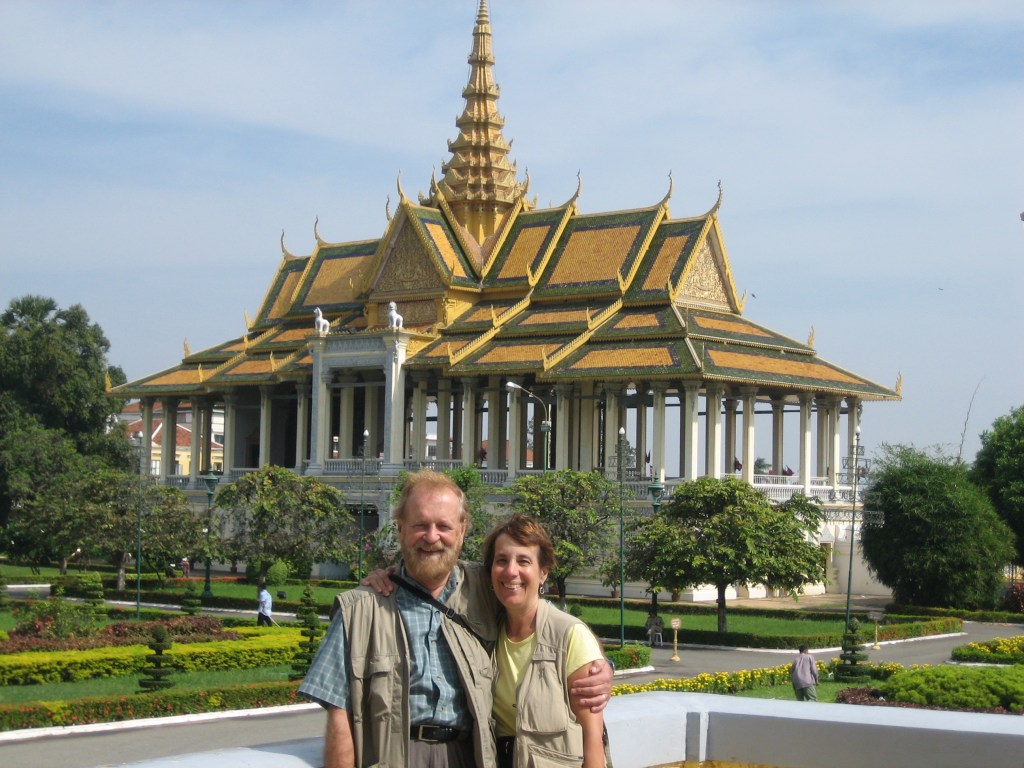
During our visit, the king was in residence, therefore that section of the palace was off limits. However we were able to see the impressive Coronation Hall, which has a beautiful carpet from China, and chandeliers from France. Also on the palace grounds is the Silver Pagoda with its floor of 5,359 silver tiles, each weighing 1 kg, its gold (90kg) buddha and the “Emerald Buddha”, made of jade, and many other beautiful artifacts.
Final comments:
- South East Asia was such an incredible place to visit. Starting with a family visit in Vietnam followed by Myanmar and Cambodia.
- I learned a great deal of history and was blown away with the Buddha statues and the fabulous pagodas and temples.
- I was glad that I was not on an organized tour, so that I could spend longer in each country than a tour would allow. However, I was very happy to have had all the hotel and guide arrangements done for me ahead of time. A travel agent, who is knowledgeable is a must if you are not going on a group tour.
- Having time to explore secondary sites and to delve into the culture is wonderful. Learning about cultures different from mine is fascinating
- It was excellent to take time out to rest at a resort.
- Flexibility is a great trait when traveling – especially when it comes to canceled or delayed flights.
- Be prepared with lots of reading material.
 Nili's Adventure