
We had gone with ElderTreks to Peru and Nepal, and decided to book our next adventure to Finland’s Lapland, with them.
Finland – Lapland
The trip began with a short stop in Helsinki, continuing on to Rovaniemi, the gateway to Lapland. The group consisted of 15 travelers plus 2 guides. Five of my fellow travelers arrived in Rovaniemi without their luggage – a good reason to travel with carry-on. Their bags did catch up with them.
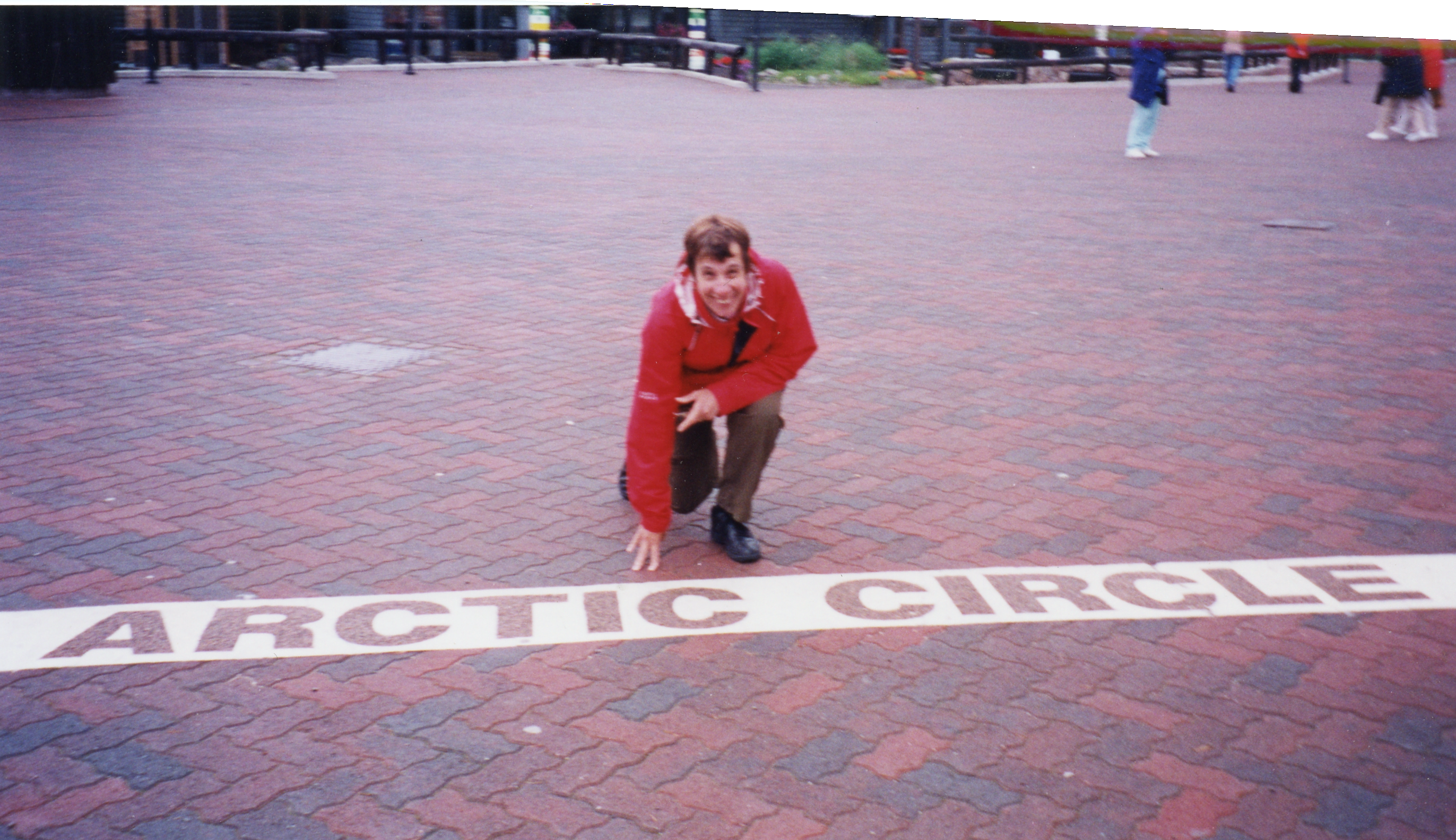
Rovaniemi, on the Arctic Circle is not charming. It was burned down at the end of WWII by the Germans during their retreat. With only a dozen houses surviving, the town was quickly rebuilt in the late 40s and early 50s with an eye on speed rather than beauty. The must stop in Rovaniemi is Santa’s workshop and Post Office situated in what used to be the edge of the Arctic Circle a while back. (The Arctic Circle has shifted). Santa’s workshop is touristy but fun.
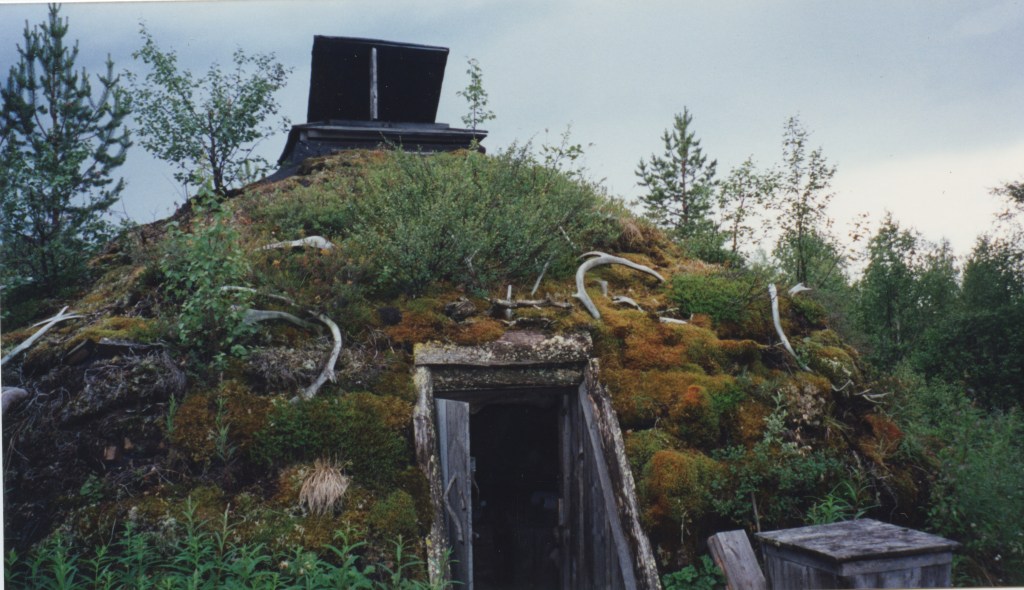
On the way to Inari, we stopped for lunch in a Kota at a Husky farm run by Samis, the indigenous people of this area. The Kota is a wooden structure, which looks like a tent. The Sami people were nomads, and used these structures as they roamed through Lapland (which covers northern Finland, Sweden, Norway and Russia). The Husky trainer gave us a talk and demonstrated the use of the sleds. We were able to visit their 80 dogs.
In Inari, we had our first sauna experience. The Finns love their saunas and each hotel had these available for us. It was wonderful to step into a sauna after a day’s hiking or boating, especially if it was chilly and rainy.
Inari has a fantastic museum, with an exhibit that was special for me.
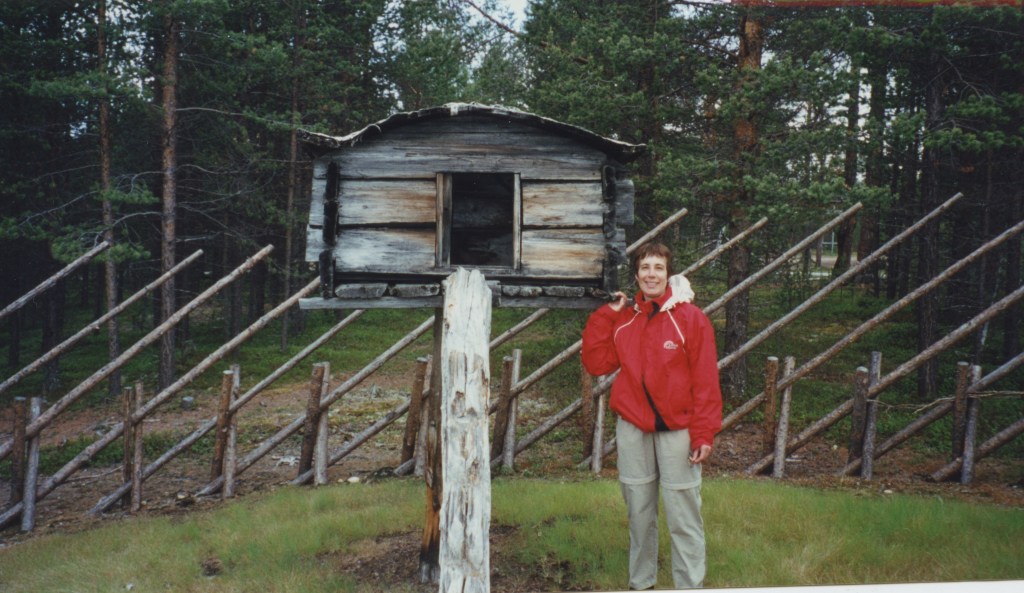
The Sami’s used to build a wood structure on top of a tree trunk to store things safe from bears. This structure is called a NILI. They had a NILI in the outside portion of the museum – it was fun to see my namesake.
I learned some other interesting facts about the Samis, their migrations, clothes and their handicrafts. Their language is related to Finnish and Estonian. I also learned that while bears hibernate, they give birth and nurse their young for 2 months. They give birth in Jan and nurse till March.
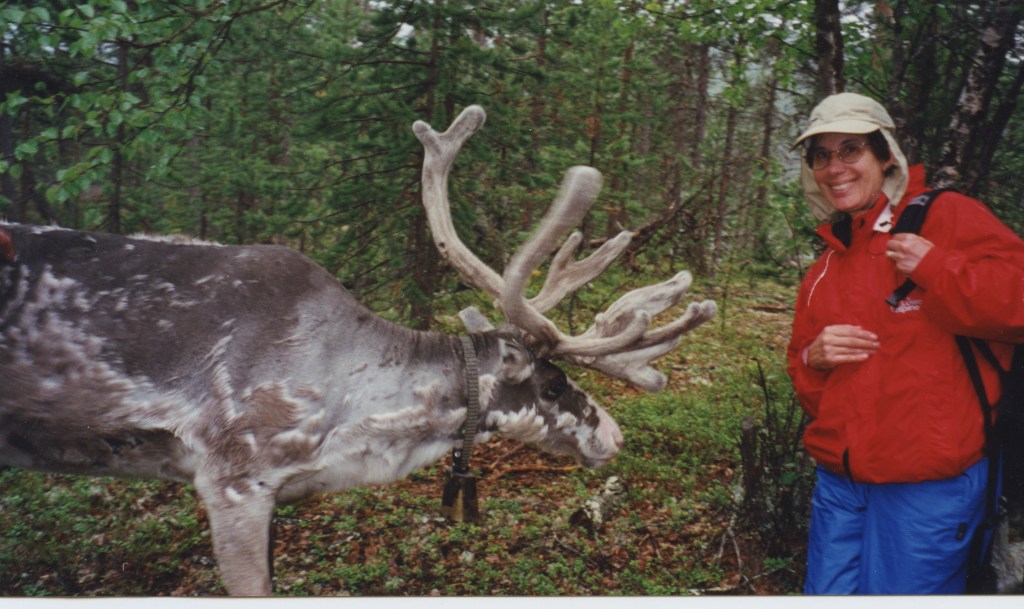
We went on a number of hikes and boat trips around Inari. We also had our first Reindeer sighting. A mother and baby reindeer joined us at lunchtime one day, while a bold reindeer walked with us on one of our hikes.
Sanila Reindeer farm in Sevettijarvi was a case of missed opportunity. The reindeer were just put out to pasture – they are allowed to roam all summer; therefore, we did not see them, we only saw the reindeer corrals.
Our Sanila Farm hostess was a school teacher and showed us around the school, which runs to 9th grade. They have about 30 students and 6 teachers. In her 15 years of teaching, the school had closed for bad weather only twice. Many of the kids travel 30 minutes or longer to get to the school and are obviously hardier than our kids. I did not expect the classrooms to be so well equipped.
Vadso, Norway
The drive from the Reindeer farm to Vadso went along the Fjords. As we drove north, the trees became smaller and more sparce, until only arctic vegetation, scrubby little bushes, remained. We were only about 1200 miles from the North Pole.
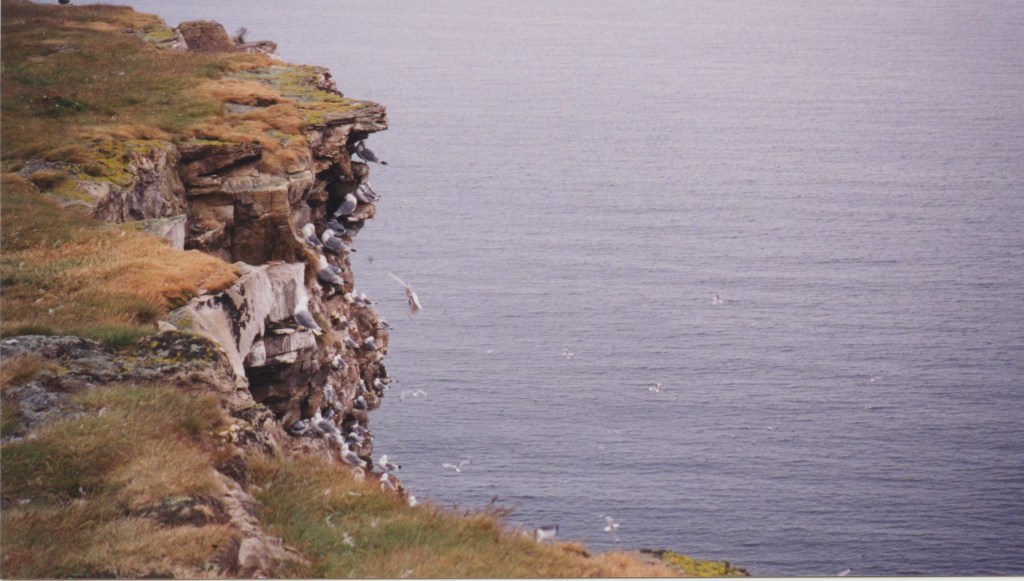
In Vadso, there is a bird sanctuary on cliffs. The open area above the cliffs has 360-degree views of the sea. It was incredible to watch the approximately 20,000 birds on the cliffs and in the air from this open area.
During WWII the Germans built bunkers at the top, to look for the allied invasions. It must have been very uncomfortable to be a soldier up there in the cold.
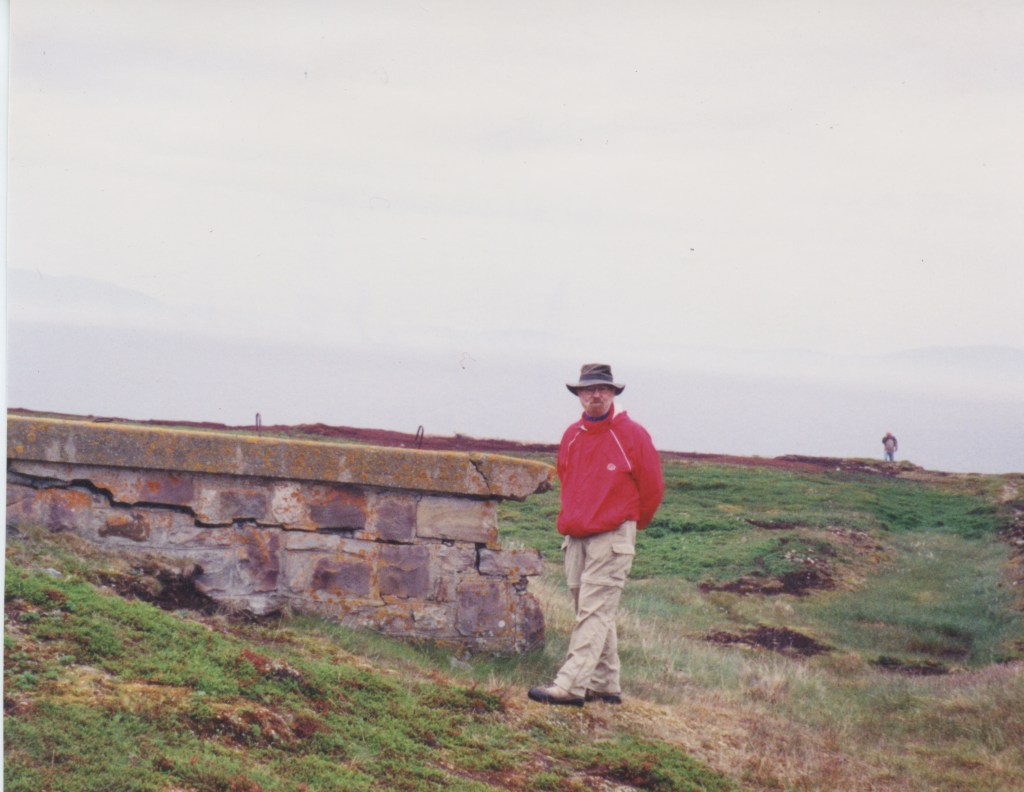
The town of Vardo is the northern most fortified town in the world. The Vardo fort cannons are fired on the first day that the sun reappears after the winter darkness and also for special occasions. (The first day that the sun appears after the winter darkness is also a school holiday, therefore the kids sometimes call and say they saw the sun so that they can get a day off.) It was about 50 degrees out and it seems that this is typical summer weather.
In the museum we learned about the Vardo witch hunts, which took place about the same time as the Salem witch hunts. The town’s population has dropped from 5,000 to 3,000 because the fishing canneries are closing.
Helsinki, Finland – our final stop
Helsinki is a lovely city with an extensive water front called the Esplanade.
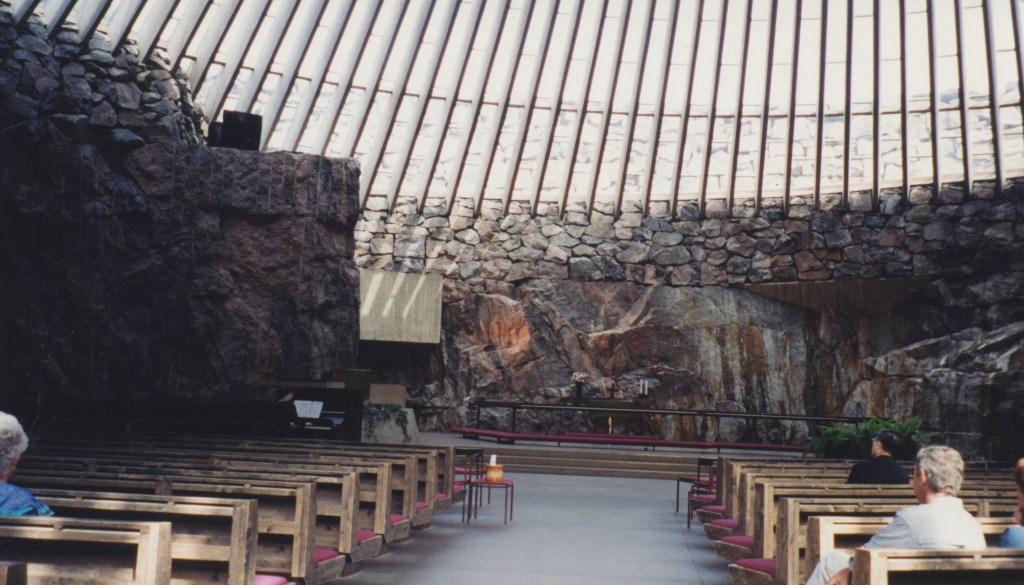
The most interesting church in Helsinki is the Temppeliaukio Church, which is built right into solid rock, thereby, it is called the Rock Church. We were lucky that a piano concert was in progress and I could hear the wonderful acoustics.
I love classical music, therefore, I took a pilgrimage to Sibelius Park, built to honor the composer who is a national hero here. His most famous composition is Finlandia.
I was glad to learn about the Sami people and their customs. I took some wonderful hikes and boat rides. However, our two guides were outdoor types who would have preferred to salmon fish rather than take us around to cultural museums. In addition, during the hikes, I always felt rushed. This was to be my last trip with ElderTreks, but not my last group trip. It was time to try new things.
Final Comments:
- We did not use Eldertrek again for a few reasons (even though they were great at getting us to consider adventure travel).
a. They did not respond to my report about the uninterested guides.
b. They did not arrange the trip, with an eye on the timing of the rein deer corralling.
c. The transfers between cities involved long car drives on this trip as well as on the two previous trips with them. - We were ready to have more control over our itinerary.
- I like to hike at my own speed. I need time to look around and enjoy the hike not just get somewhere.
 Nili's Adventure