
A quarter of a century of adventure travel has been exciting, frustrating, tiring and wonderful. I was going to try to pass on what I learned to future travelers, but honestly most of this is common sense and personal preference. Therefore, instead of taking the attitude of “learn from me”, I am an expert now, I will recap what I learned and how I used the knowledge as I went along.
I am glad that I began adventure travel in my 50s when I was young enough to climb mountains and put up with less than comfortable accommodations for the pay off of new experiences. At 80, after a hip replacements, and clicking knees, I can still walk but not hike the Inca Trail. Just think, if I had started in my 20s, what I could have seen and done.
Where, when and for how long to travel.
Where to go?
There are so many places to choose from. If I could, I would go everywhere. But that is not possible. I never sat down to prioritize where I wanted to go. Maybe, that would have been a good idea. But most of the time, trips came cropping up.

For instance, when son Stefan and his wife Rachel lived in Vietnam and Malaysia, that seemed the perfect time to go to SouthEast Asia. When a family member was getting married in Israel or Australia, that was another good reason. When friends said that they would like to take a river cruise with us, we took a river cruise. And so on.
I was interested in experiencing a whole range of trips; cities, mountains, beaches, and villages. Each location was interesting and mind opening.
When to go?
As to what time of the year? The best time to be going to European cities, is April, May, September, October. Definitely it is better than July or August. But when an opportunity came up to go in the summer or winter, I didn’t pass it up.
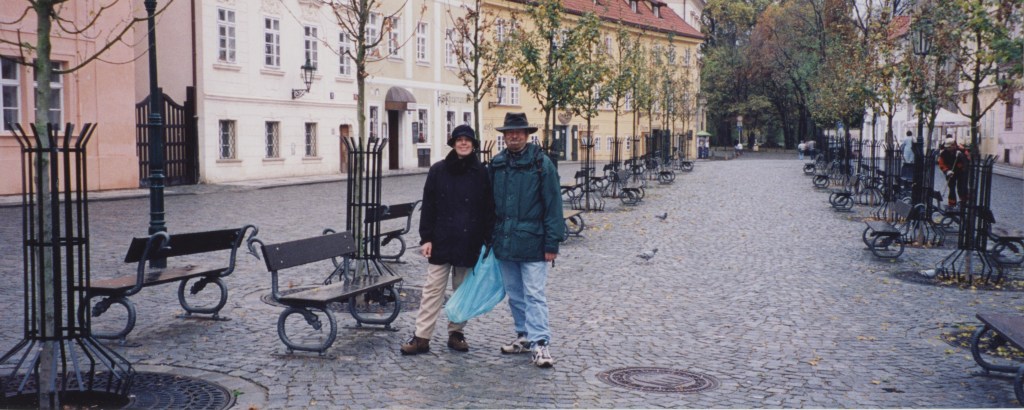
I was in Prague in November. It was cold but restaurants had heaters and still served outside. The crowds were minimal.
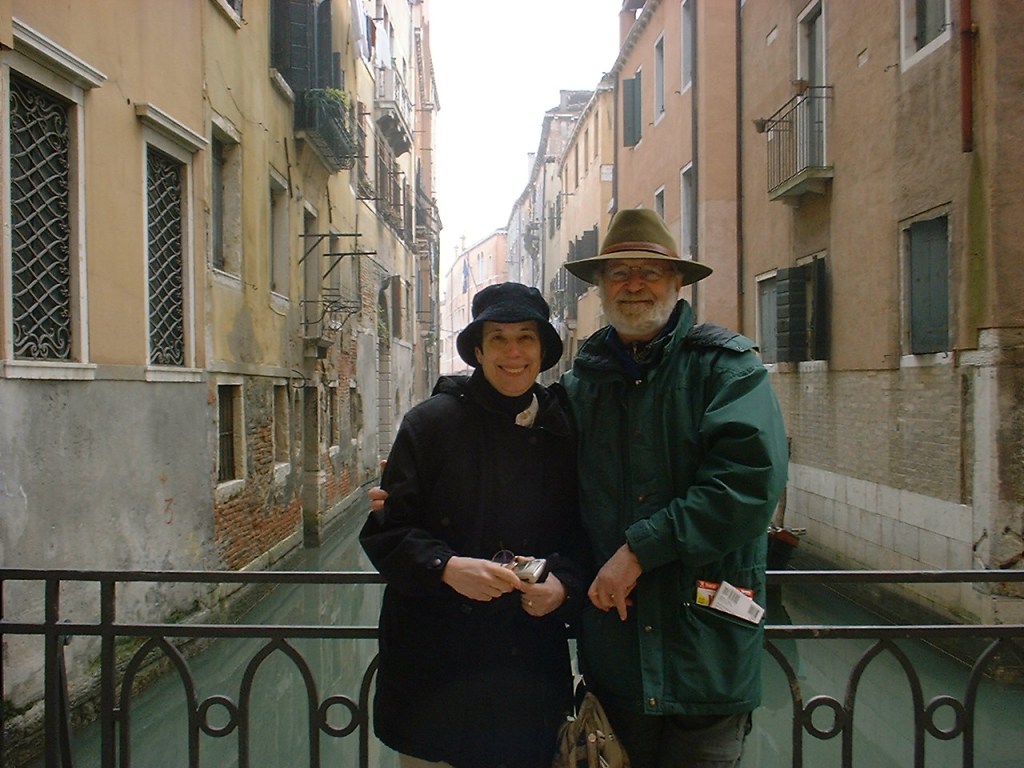
I was in Venice in February. Again it was cold but the crowds were fewer.
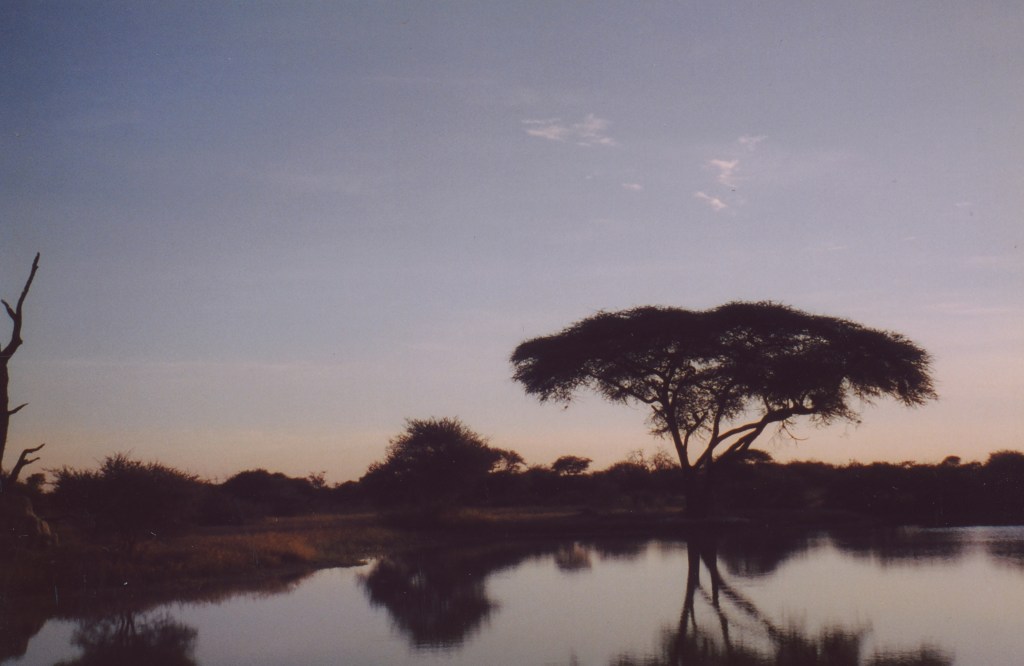
The best time to go to Botswana might be in August to see the huge herd migrations. But that didn’t work with my schedule, therefore, I had fabulous trip in the “rainy season.” I saw lots of baby animals, and the rain was minimal.
For how long?
Being retired has given me lots of flexibility. I hate the cold, therefore, I preferred to be away for as much of the winter as possible. When I started adventure travel, I was amazed to learn that some people stayed away from home for a couple of months at a time. I was only ready for 2 – 3 weeks at that point. But within a couple of years, I looked forward to a six or seven week trip. Flying across to the other side of the world, is expensive and difficult on the body. Therefore, a longer trip is definitely better. My longest trip was to Central America in 2013. We were gone for five months with a short two week check-in at home. Now that I am older, a couple of weeks is enough again.
When away for multiple weeks, I had a trusted relative check my credit cards and bank activity to make sure that no one had hacked into my account. I do not get on my bank accounts from an unsecured internet site.
Independent travel? Tour? Cruise?
In my opinion, all of the above are viable options and there really is no one size fits all. There are pluses and minuses to all modes of travel. For me, the itinerary often dictated the mode of travel. Below are my thoughts on each mode:
Independent travel:
I am very lucky to have a great travel partner, my husband. We have the same body clock and most the same interests. We can usually compromise on our daily itinerary and have a great experience.
We usually travel independently in Europe. We are comfortable getting around on our own and making our own arrangements. However, even when we are traveling on our own, I prefer to have hotels and flights arranged before I leave home. I know that there are many good reasons to just go and plan the trip on the fly. I am not that adventurous. I like to know where I will be in advance, even though that might mean not having enough time at a particularly wonderful place. I have rarely had too much time anywhere. Another advantage of pre-arranging the itinerary, is being able to get tickets to performances and museum exhibits.
However in more challenging countries, I still prefer to be just the two of us, but with a guide and driver or a guide/driver combination. This worked best for countries such as Morocco, China, Bhutan, Cambodia, Sri Lanka etc. We found that having a good travel agent to arrange for the guides in these countries, is key. For the last few years, we have used Ceylon Express to arrange the more exotic/difficult trips.
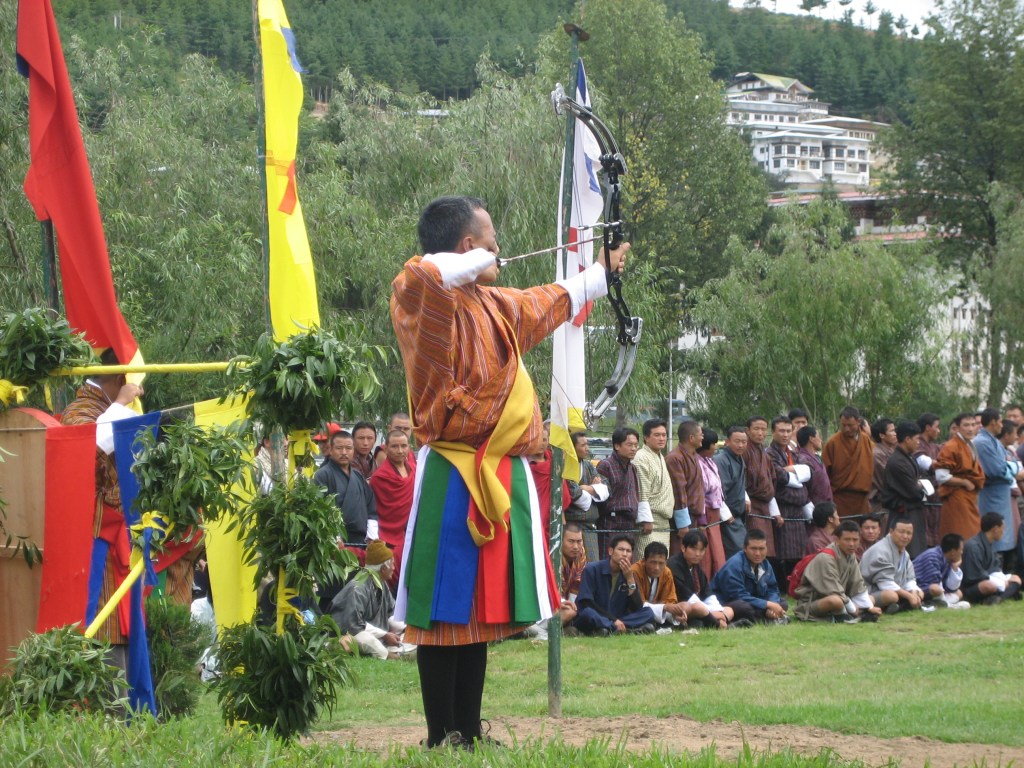
One huge advantage of independent travel, with or without guides is flexibility and more intense touring. For instance, in Bhutan, when it was raining in Paro, we delayed hiking to the Dragon’s Nest Monastery and instead went to an archery tournament and on the way back, we were invited to join a private party.
On another occasion, still in Bhutan, we climbed to a monastery and met Queen Ashi. If we had been part of a group, we would probably not had these fabulous experiences.
Tours: Large, medium and small tours
I don’t take large tours. I don’t want to be on a bus with 50 other travelers. I have taken a number of Rick Steves tours (Italy, Slovenia/Croatia, Scotland and Portugal), where the size is usually 26 or 28 participants. The people who choose Rick Steves tours are well traveled and know ahead of time that the company chooses small, well located boutique hotels. This means that they might have to carry their bags one or two flights of stairs, and/or walk a block or two to their hotels if the bus cannot enter the center of town. They are generally on time and eager for adventure. The guides that the company hires are all top notch. Therefore, the size of the group does not impact the experience.
Small group tours are wonderful. The sightseeing is more flexible and meals more family styles. The small group tours that I went on were with Eldertreks (3 tours – Bolivia/Peru, Finland and Nepal); Galapagos Travels to the Galapagos, Cuba, Tanzania and Madagascar; AESU to Spain; as well as jeep tours in Petra and Sinai.
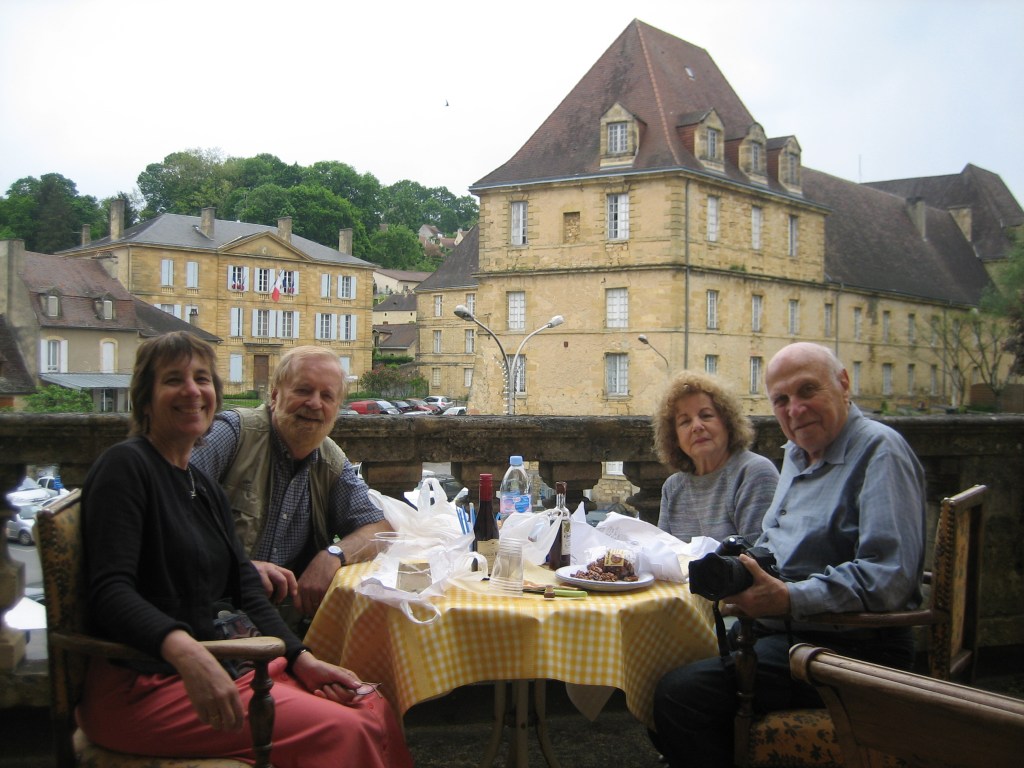
We toured in Southern France with our friends, the Hellerings. We hired a driver who arranged all hotels and itinerary. That worked beautifully. I would try to replicate a 2 couple trip, but our friends have passed and we have not been able to find other interested couples.
Cruising:
The main advantage of cruising versus land tour is simplicity. You can visit multiple ports, countries, cities without packing and unpacking or long ground transportation. However, not all of the places that I wanted to visit were close enough to shore to make it viable with a cruise. For instance, the Norwegian Fjords are perfect for a cruise, but an African safari in Botswana is not.
I have been on a number of cruises: both large and small boats. I much prefer small boats but realize that large boats have advantages as well. I took a cruise with my teen/early 20s grandchildren, and they loved the comedians, and shows that the boat offered. They would have been very bored on a small boat.
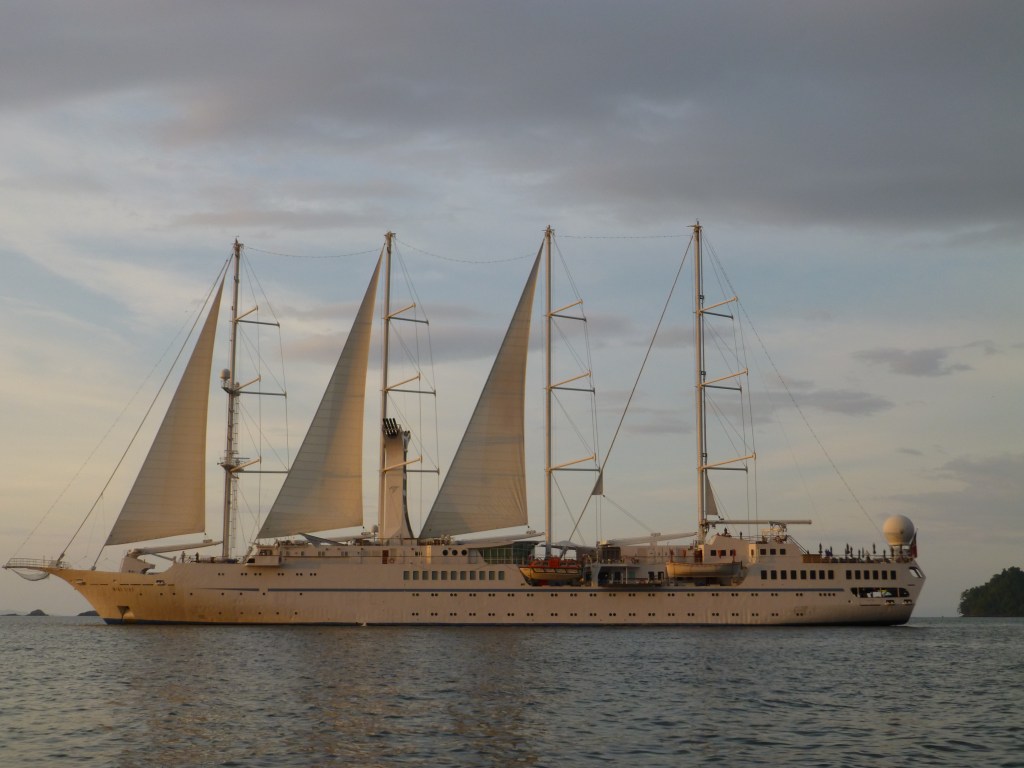
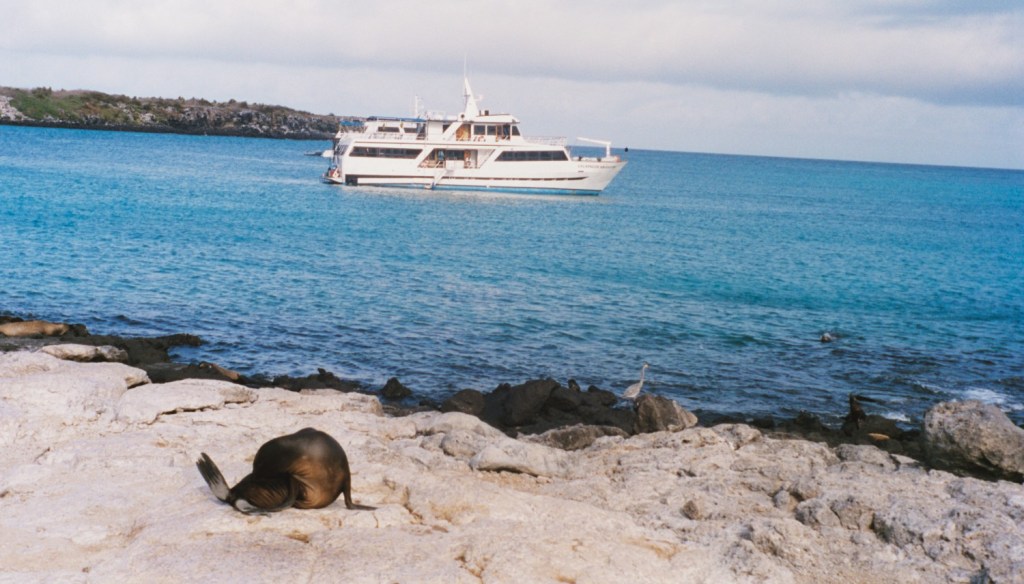

The advantage of a small boat cruise is the ease of getting on and off at the ports, the personal service and the intimate feel. This is especially true of river boat cruises. Obviously, the small boats are more expensive, and lack of entertainment. The limited entertainment is not a disadvantage for me – I just as soon have early quiet evenings.
Costs considerations:
Traveling is expensive. Our budget (and we do live with a budget), will be part of the decision; how we go, how often we go and where we go. For instance, a large ship, like the Princess line, is much more affordable than Windstar or other small vessels. A large 50 person tour is less expensive than a Rick Steves’ 28 person tour or traveling solo with a guide. Flying business class is much more expensive than coach. Also flying to Europe or Asia is more expensive than flying domestically.
Luckily our travel budget is very generous now – it wasn’t always so. But there are always trade-offs. Some things are worth the extra costs for me. I want a reputable company, with great guides. I feel the need to be picked up at foreign destinations when I arrive tired from an all night flight. I will pay extra for a hotel room the night prior to arrival so that I can get right into a room, shower and nap. I am not willing to pay for 4 or 5 star accommodations or for a luxury cruise. I like down to earth types of trips.
Packing
Clothes
As I said in post 5, I went to New Zealand and Australia with 3 medium size suitcases for the two of us, plus back packs. Within a couple of years, I learned how to pack for most trips taking only a carry-on and backpack. The less to unpack, the faster I can get into the touring.
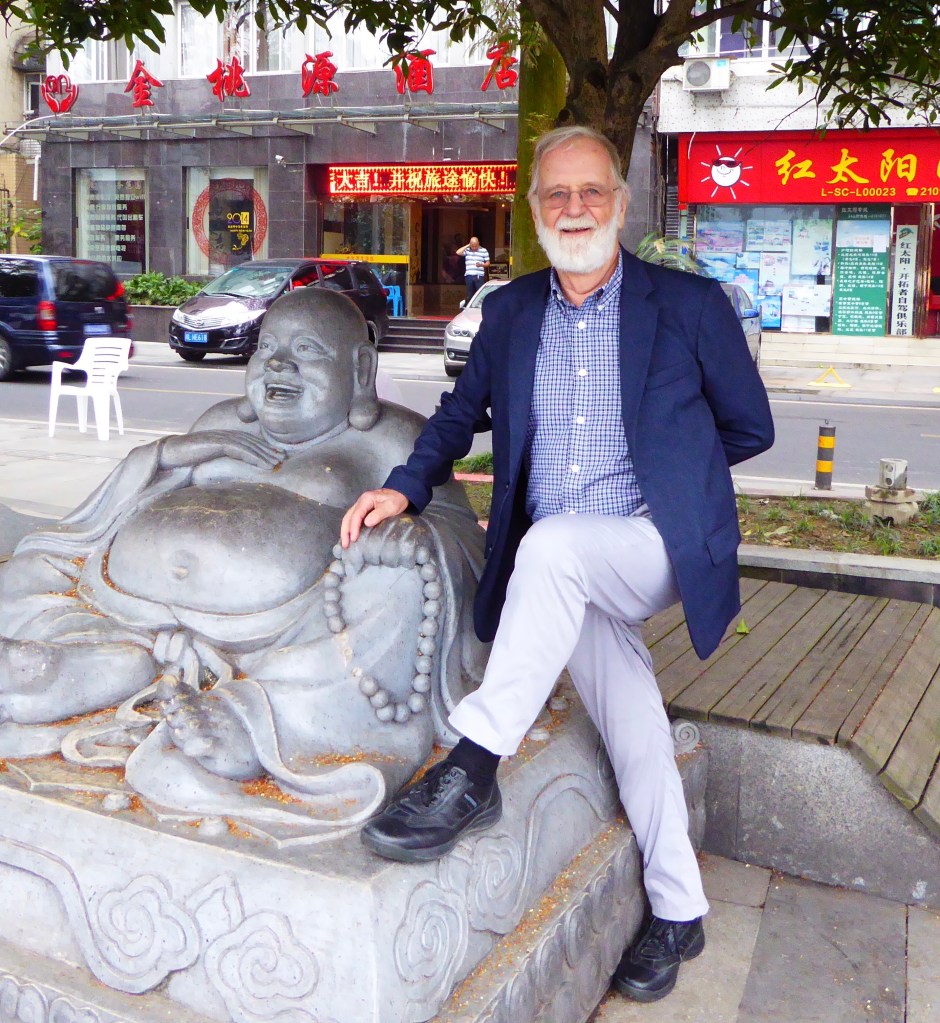
There are tons of articles on the web about how to pack light. This is my take on it and it helps to have a son with a travel clothing company, Bluffworks.
No one cares what you wore yesterday. If I don’t remember what I wore yesterday, then I assume no one else will remember. Or if they do, who cares! Above is Jerry in China wearing pants, jacket, and shirt from Bluffworks.Inc. The Jacket had been in a backpack for days. I am wearing Bluffworks dress that always looks pristine.
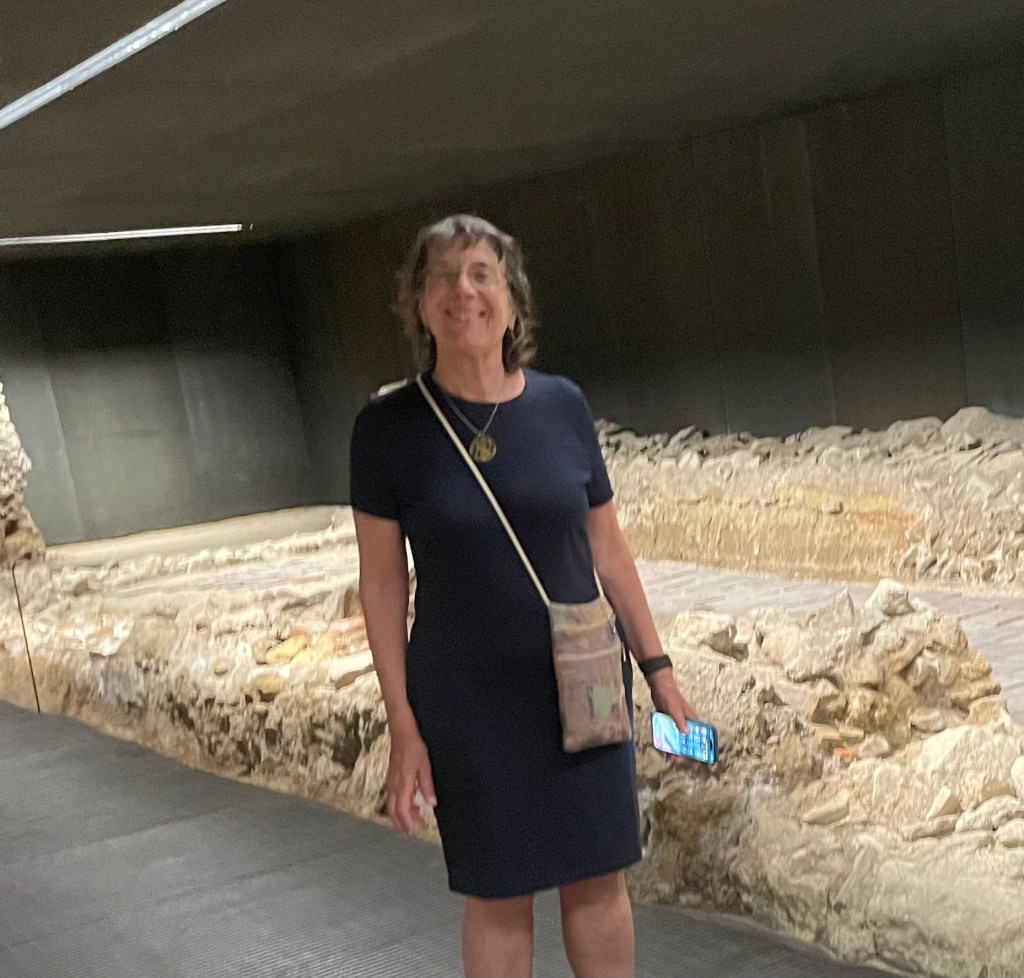
The concept of vacation clean: I developed the concept of vacation clean. 1. really clean, right from the dryer. 2. Mostly clean, worn a day or so and no visual spots. 3. At home it would go into the wash, but on a trip, if it doesn’t smell, I can wear it again. 4. Better wash it. Sometimes I get the laundry package on a cruise, otherwise there is a bathroom sink and a drying line. It is wonderful to end up in a hotel room with a fan and a clothes line. But in any case, I make it work.
This is what I take for a two week trip in mild weather: 3-4 short sleeve Ts, 3-4 long sleeve Ts, 1 skirt, 1 extra pair of pants, light jacket (from the same material as the T-shirt), a shawl or 2, underwear 5 each; bras, panties and socks. If it is going to be chilly, I add a puffy jackets that compacts and a rain jacket – I can layer them. I wear sneakers on the plane and pack sandals or flats in my bag.
Pee Potty:
I don’t leave home without it if I am going to do home stays in developing countries. A pee potty for me is a cottage cheese or yogurt container. It has saved me from very uncomfortable situations. You can read about one of my experiences in post #7 when I was locked in the house for the night, away from the out house.
Plastic bags:
I take both large and small bags. They can be used to store dirty laundry, keep stuff from spilling, be used as shopping bags and many more uses.
The In Room Safe packing cube:
Many hotel rooms have a in-room safe. It is a great place to put your passport, jewelry and extra cash. However, hotel staff have the ability to get into the safe – they have to be able to do this in case the guests forget their combinations. Not all of the staff is honest and those that are not, count on the fact that you don’t count your money when you put it in and then again when you take it out. Therefore they can just take a few dollars, you will never notice. But I noticed because I was collecting coins for my grandkids at each destination. And in Portugal, I had a list of exactly which country’s Euros were in the safe. When I went to add to the pile, I noticed some missing.
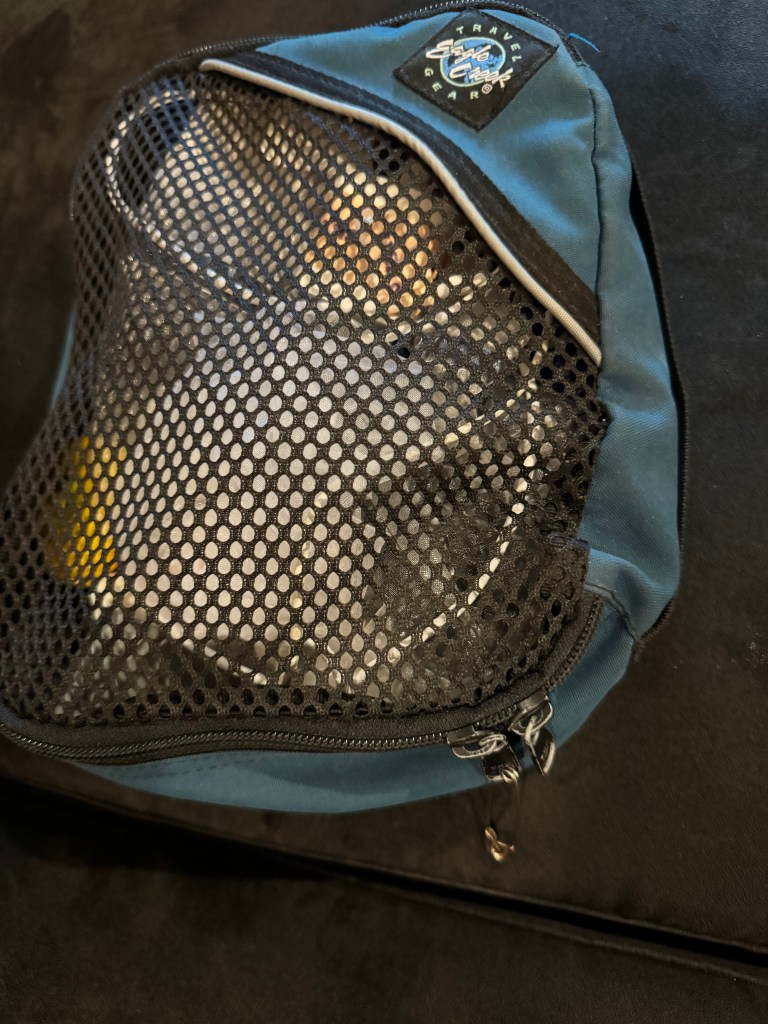
This is when I devised the system of putting valuables in a packing cube that has a double zipper and locking it with my TSA lock. Crooks now have to take the whole cube – obvious, or leave my valuables alone. I usually carry my electronics in the packing cube on the plane and re-use it in the hotel room for valuables.
Electronics:
Must haves are my iPhone, Mini iPad, AirBuds, iWatch and back up battery. I have a multi plug with 4 slots for flash drives. This takes care of all the above except for the iWatch, which needs a dedicated charger. I have a key board for my Mini iPad, so that I can easily recap each day and have a log at the end of the trip.
How to Pack
I love packing cubes for easy unpacking. I have been in many hotel rooms where there are inadequate drawer space. One hotel in Philadelphia had one desk drawer – that’s it. With the packing cube, I can turn a window ledge, a shelf or a table into a “drawer”. The packing cubes do take up a bit of room but they are well worth it. I have not tried compression packing cubes – I imagine that they work but if I fit more things into the bag, the bag will be heavier for hefting it on to the overhead compartment of the plane. I do prefer to have my bags travel with me.
Challenges
Keeping fit during the trip
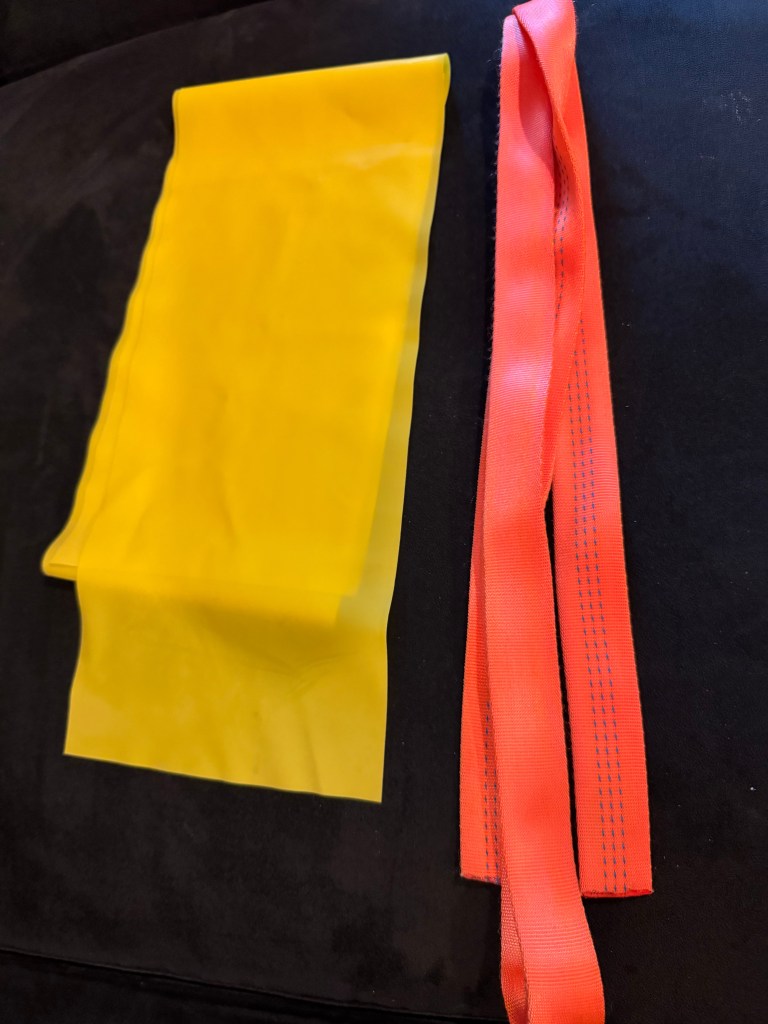
When at home, I go to the gym regularly and walk 2 miles around the campus almost every day. When traveling, sightseeing gives me lots of steps. But what to do about strength and flexibility. I take a stretch strap, and a stretchy strap. The first is for flexibility, the second for strength. Since a gym is not always available, I do what I can on my own: planks, leg lifts, bridges and core exercises.
Time zones
Jet lag is not fun. I don’t mind jet lag upon my return home from Europe. I wake up early, use that time to catch up on paper work. But jet lag at the start of the trip interferes with my fun. On my first European trip in 1970, I was excited and stayed up all night. When I arrived in London, I walked around until I collapsed at about 5pm. Slept till midnight and then was awake for the rest of the night. I learned my lesson. Now I sleep on planes (either in coach or business class). When going to Europe, I look for flights that leave late, so that I can go right to sleep. I am happy for forgo a meal for an extra hour of sleep. I make sure I have a pre-arranged hotel room, so that I can get a short nap upon arrival, and then stay up until 9pm or so. That usually does it.
Asia is much harder on the body clock. Sometimes I do OK and sometimes not. When traveling to Nepal, I flew to Thailand a couple of days early. I did great with jet lag to Thailand, but the 2 hour time difference to Nepal was a bear. It took at least 4 days to adjust. Sometimes you just have to suffer for the pleasure of traveling.
Bathrooms
This topic is of interest to women mostly. In order to use eastern toilets, a woman has to squat. The older I get, the harder it is to get up from the squat position. My knees won’t take it anymore. Therefore, my future trips will try to be in places that offer western toilets only.
Also I learned that it is best to never miss an opportunity at a rest stop. You never know when the next one will be available.
For those times that I might encounter a night without an indoor toilet, I pack the “pee potty” – see above. At this point in my life, I also try to avoid these opportunities.
Food
One of the reasons I love traveling is the possibility of finding interesting restaurants and cuisines. But I learned the hard way that when eating street food I have to be very careful. In Cairo, passing an orange juice stall, I ordered a glass of fresh squeezed. I didn’t realize that they put slivers of ice in the cup – Jerry had a terrible reaction including a fever for a couple of days. Obviously, I had to be careful about drinking the water, or eating fresh vegetables.
Keeping in Touch with folks back home
When I started adventure travel in 2000, my grown children, who were in their 20s/early 30s wanted to know that we were alright. The tables had turned, now they worried about us! The best way to keep in touch, at that time, was to send emails to them whenever possible. Since my emails recapped the day’s touring (or a couple of days’ touring), I had a trip log all ready for me when I returned.
However internet service was a challenge. The only way to send emails back home in developing countries like Bolivia, was by going to an internet cafe and getting on their machines. Sometimes I would get an email mostly typed, and their system would go down. I would lose everything I wrote. Therefore, I began to write my emails on my lap top and then just copied and pasted the write up onto an email. This worked much better than composing at the internet cafe.
Over time, hotels and restaurants began to have internet available and we didn’t need to search for internet cafes. My mini iPad with keyboard replaced the portable computer for sending emails. It is much lighter than the AirMac, which my back appreciates. I write up my log on the iPad using Pages, prepare the email addresses in a list ahead of time and then cut and past the log into the emails. Over the last 25 years many people have asked to receive my email blasts: siblings, grandchildren, nieces, nephews, cousins and friends. The various logs were the basis for the previous posts on NilisAdventures.com
Using the cell phone internationally has also become much easier. I don’t always turn it on when I am traveling out of North America. Instead I use WhatsApp as a texting or calling tool. It is free but needs internet to work and therefore, it is more limited than cell phones. If I really need to be in touch, I keep my cell phone on.
Final Comment:
Traveling is a great way to learn about the world and enjoy life. Here is to travel!
 Nili's Adventure
Nili, I especially enjoyed this picture of your trip with the Hellerings to the South of France.Marsha Â
LikeLike
EXCELLENT RECAP! Thanks muchCIAONorma and Terpsichore
LikeLike