
At our travel agent’s suggestion we decided to take Amadeus Cruise Line 11-day, 1200 miles Danube cruise from Bucharest, Romania to Vienna, Austria. We would get to visit countries that I knew very little about.
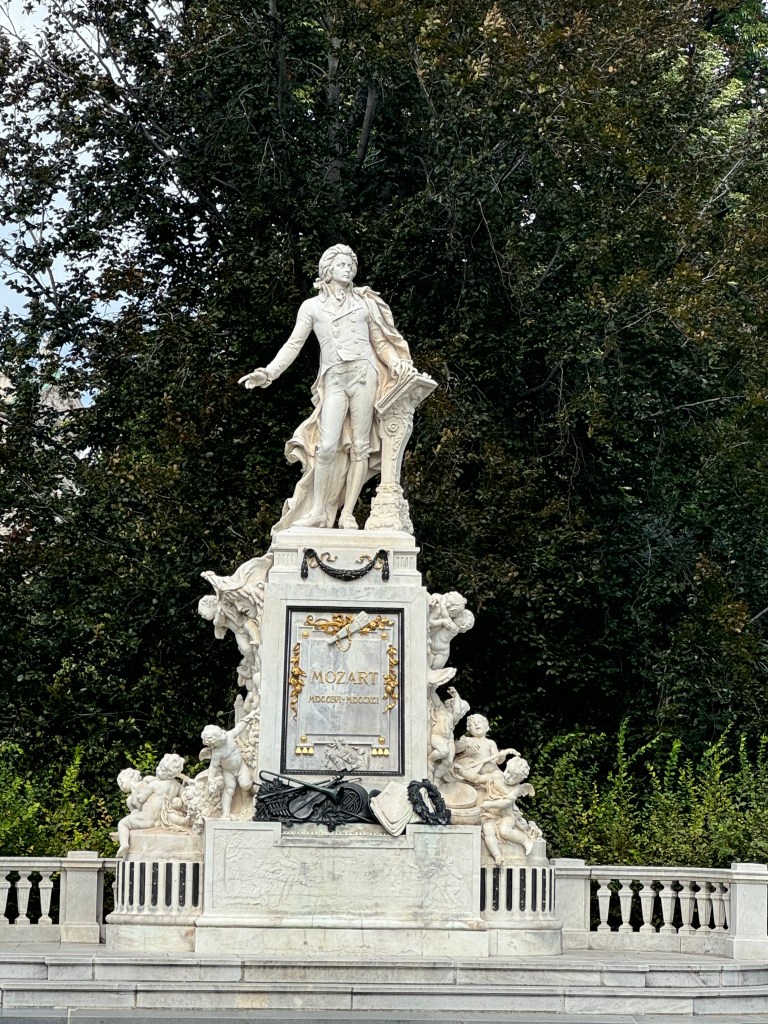
We decided to start (and end) the trip in Vienna instead of Bucharest for three reasons: 1. Round trip tickets to Vienna and then a short flight to Bucharest were about 1/3 of the cost of Florida/Bucharest/Vienna/Florida. 2. I wanted a couple of days in Europe to get accustomed to the time change before the cruise and 3. Vienna is a lovely city to visit.
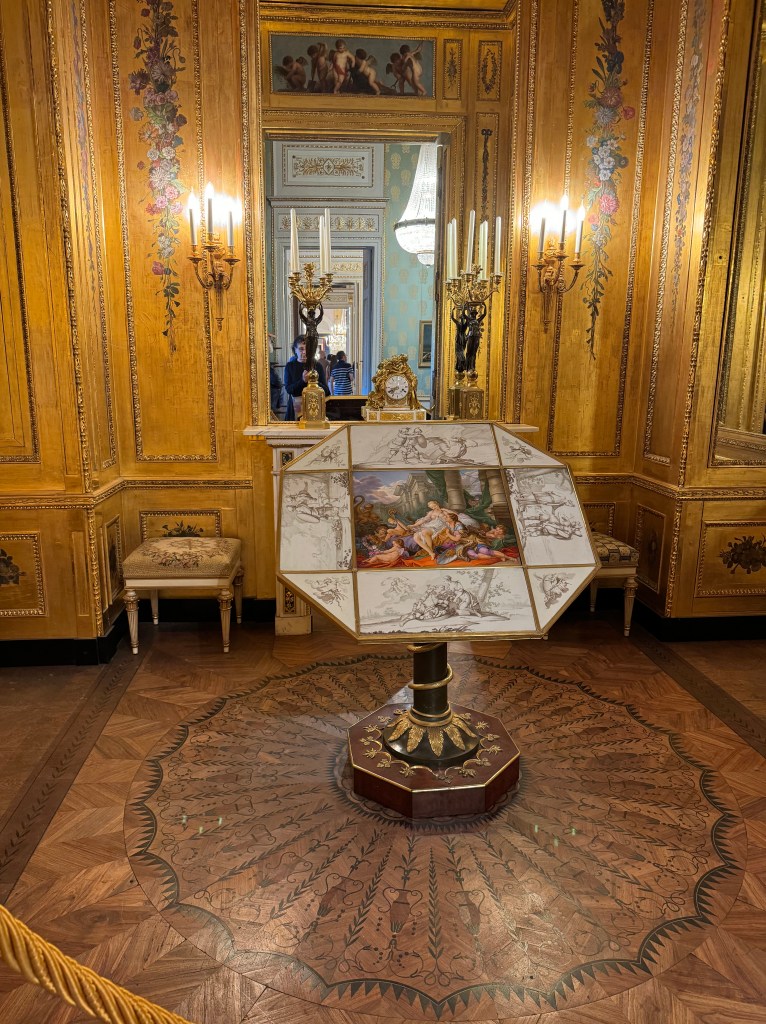
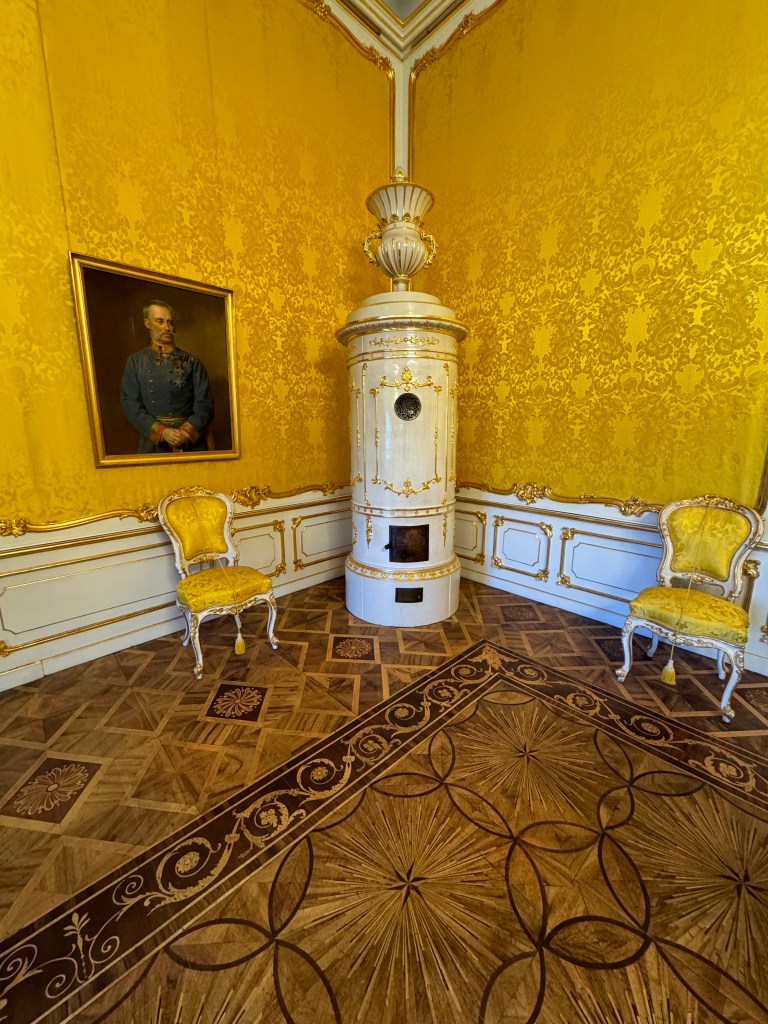
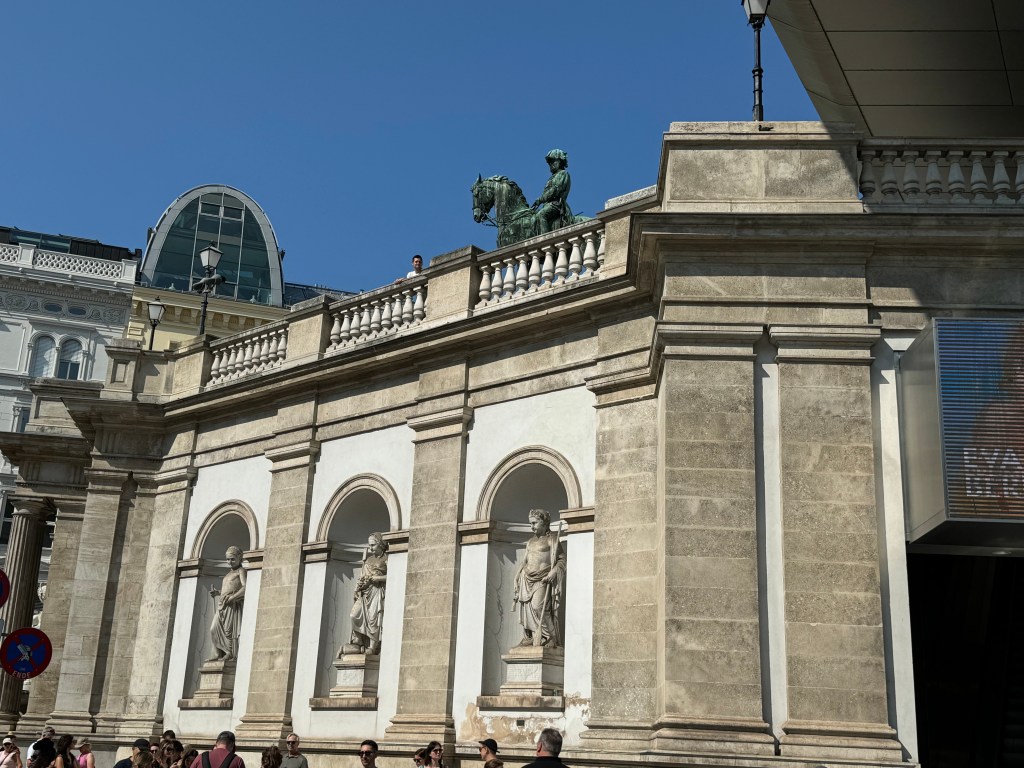
We made good use of our time in Vienna (both before and after the cruise) by visiting the Leopold Museum and the Albertina, we had not seen either of them during our previous visit.
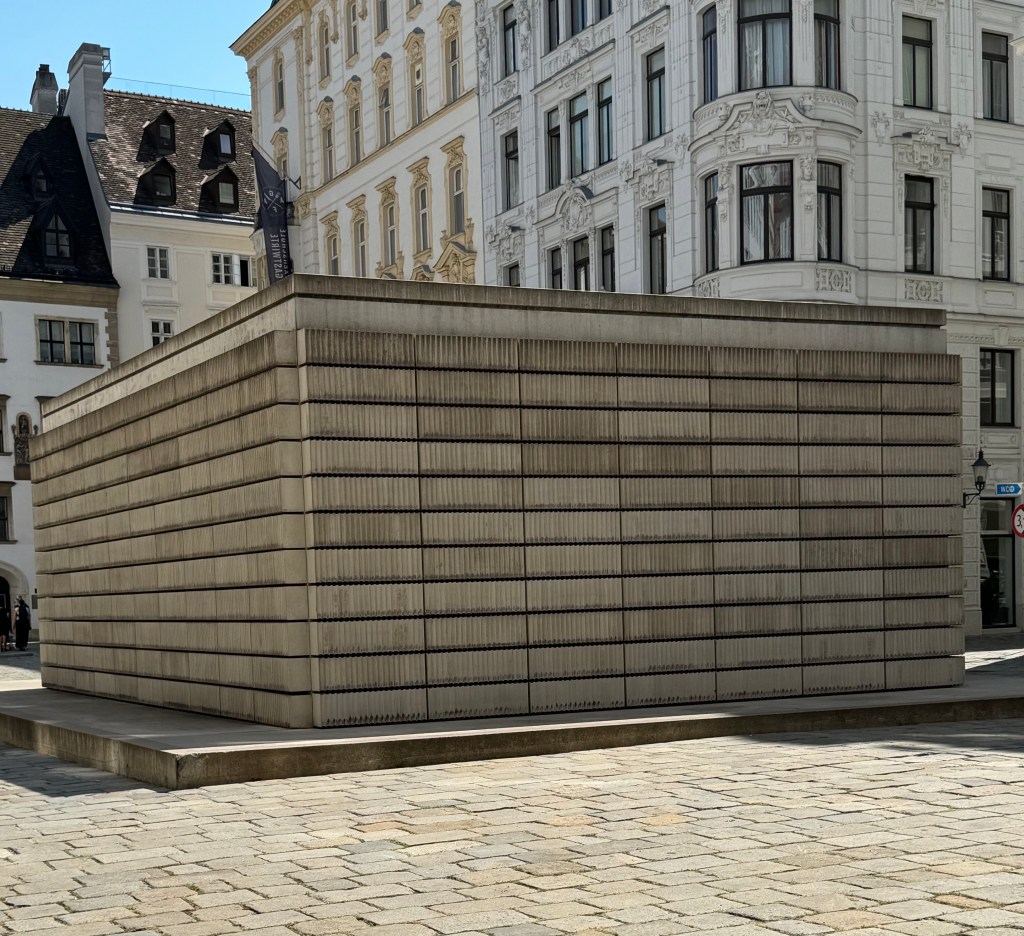
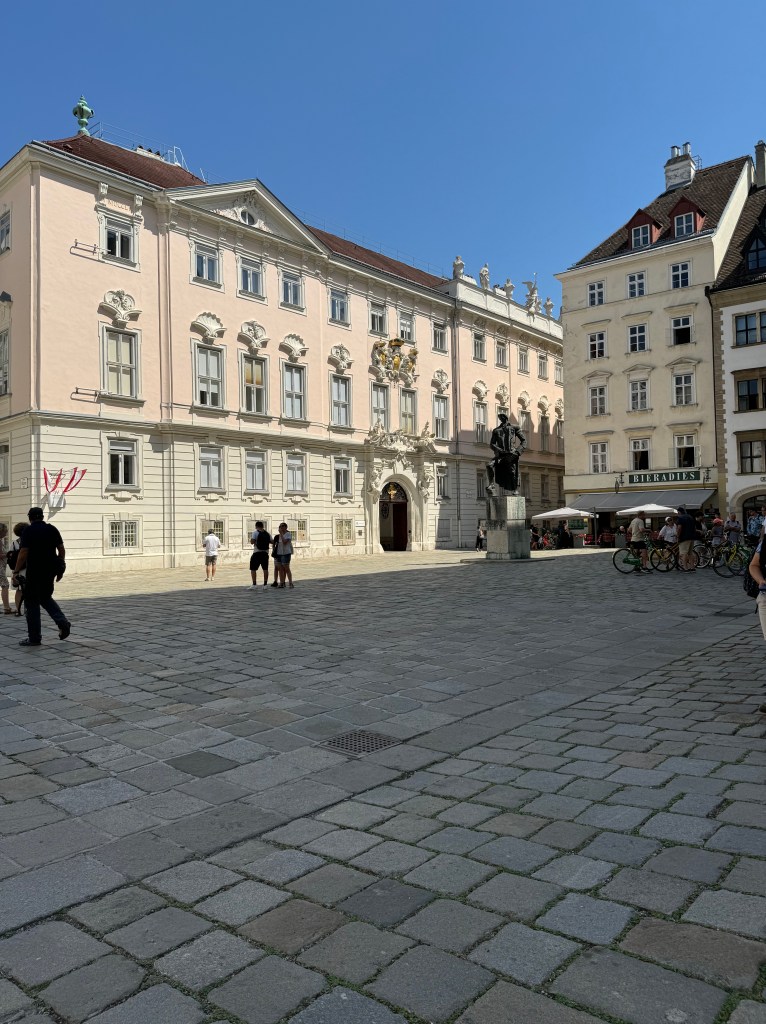
On our return, we went to the two Jewish museums in town. The one on Dorotheergasse has a wonderful Israeli café. The one on Judenplatz is built over the remains of the synagogue that was destroyed in 1421 CE. We were able to go down to the excavations. Also on Judenplatz is the Holocaust Memorial, a block of books that were not read by those who died.
In addition, we booked two concerts and spent a great deal of time walking in the pedestrian street between the Opera House and St. Stephen’s Church. Vienna is well a known city, therefore, I will not give details of the visit except to say that it was wonderful.
Romania
Amadeus Cruise company had arranged for an overnight stay, before the cruise, at the Intercontinental Athenee Palace in Bucharest, located just across from the National Museum.
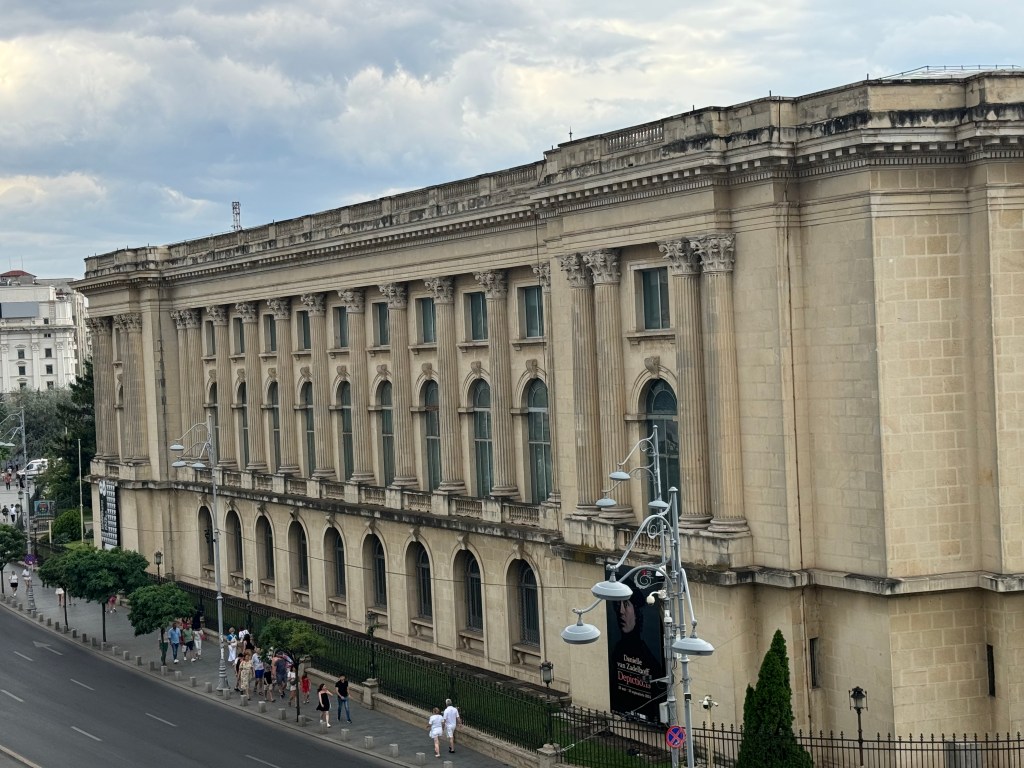
We used our free afternoon to see the beautiful National museum building and the collection, especially the El Grecos.
After the museum we stopped at a cafe for a bite to eat. Our server said that we were the first Americans that she ever served. Not many Americans come to Bucharest.
The next day, Amadeus provided a bus tour of Bucharest and a walking tour of the Old Town on our way to the boat. There were three buses: German, Spanish and English. For some reason, 2 German speakers joined our bus!
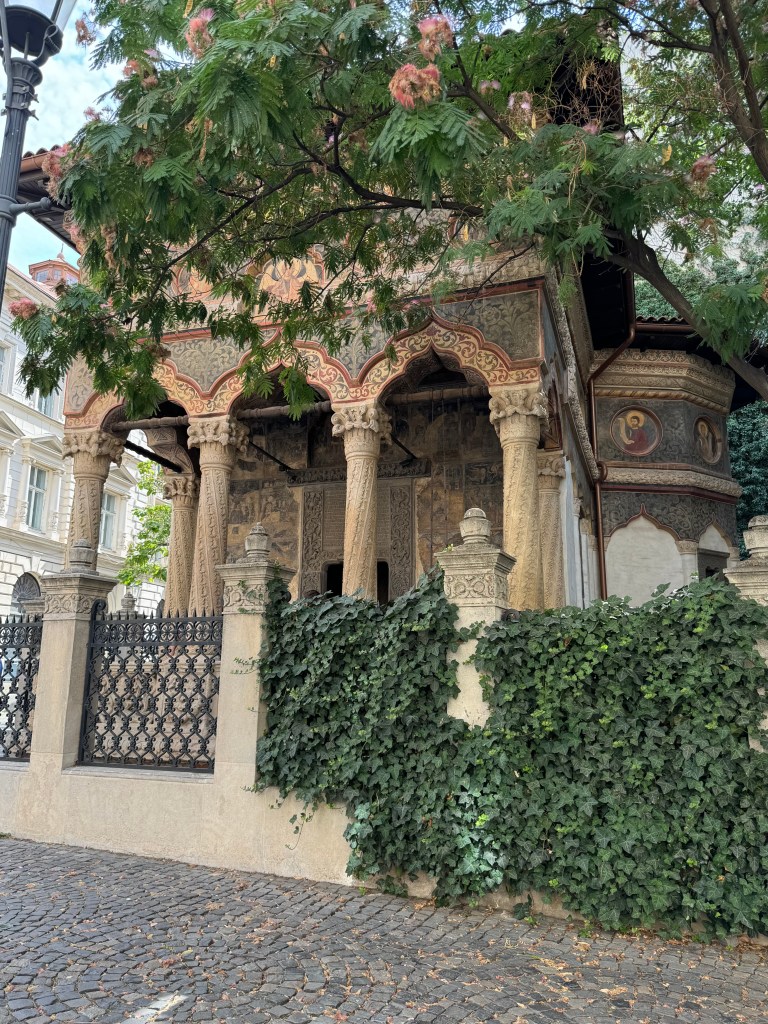
We saw the 1724 CE Stavropoleos Monastery, which is now a nunnery. On my free time I went to the 5-story book store. Our group lunch in the Old Town was lots of fun. We sat with a couple from London, a couple from Sweden, a Belgium and a German.
The Cruise
The boat is a long narrow river boat, narrow to be able to fit into the locks. It has 4 levels. The top deck is open with lots of shady and sunny places to sit. There is a small pool, which I did not use. The deck was my favorite hangout place.
Dinner tables were assigned for the entire cruise. Luckily, we liked the other couple, Diana and Geoff. They were from Australia and liked opera and classical music, therefore, we had much in common. There were many nationalities represented on the boat: Israeli, Maltese, Italians, Swedes, Norwegian, Brits, Canadians, German, Spanish and more.
The cruise was special in that it covered many more miles of the Danube than the regular route. We started by going East in Romania to the Danube Delta, where the Danube flows into the Black Sea.

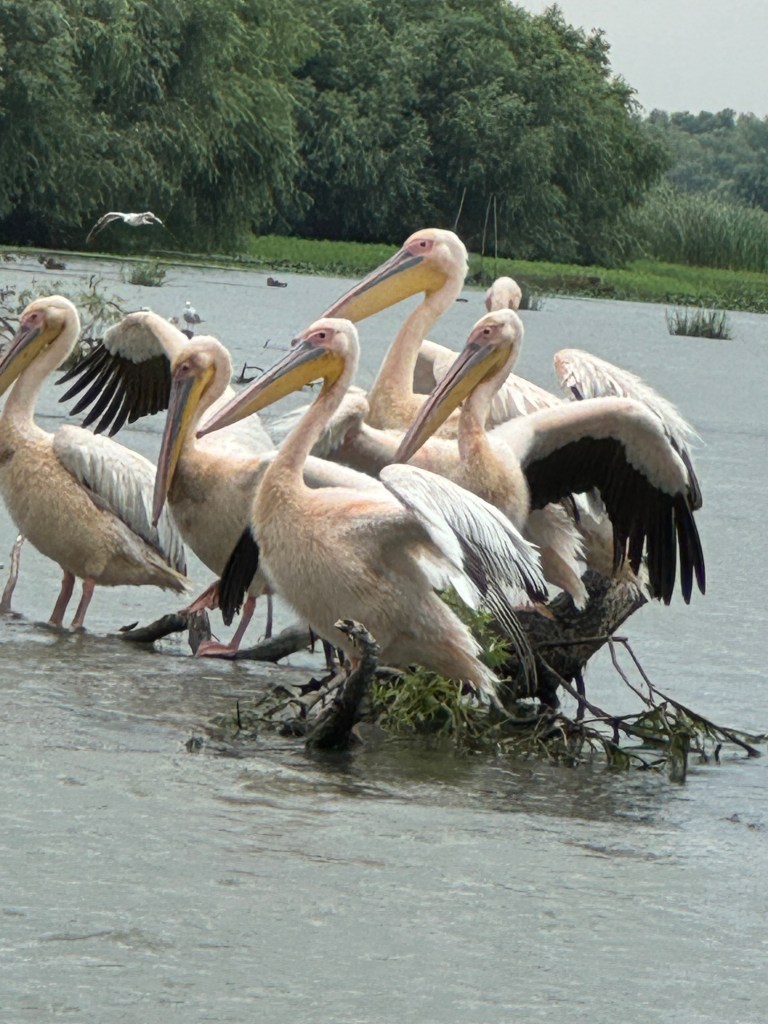
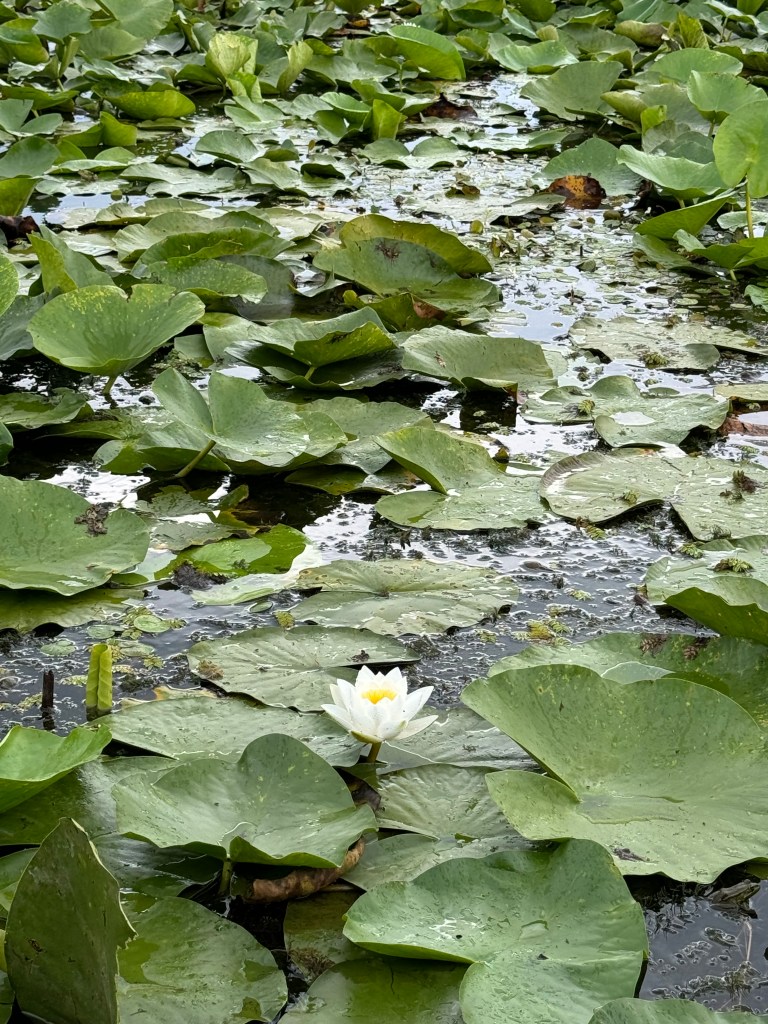
By power boat we meandered along the many tributaries, seeing many birds such as herons, ibises, Egrets, and an eagle. But the most special were the large white pelicans and a family of swans. I live near the Gulf of Mexico, and am familiar with pelicans, but these birds were special.
Our next stop was the city of Constanta, Romania, on the Black Sea. It is the oldest city in this country, and has been a port city since Greek times. It was called Tomis by the Greeks but the Romans changed the name to Constanta.
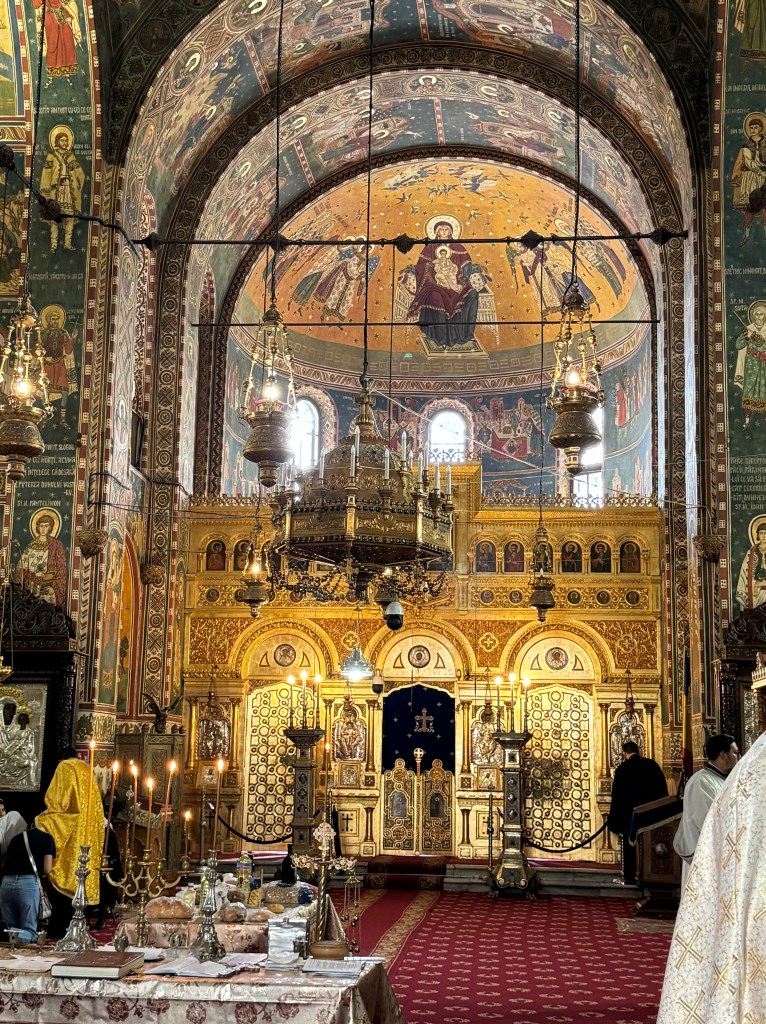
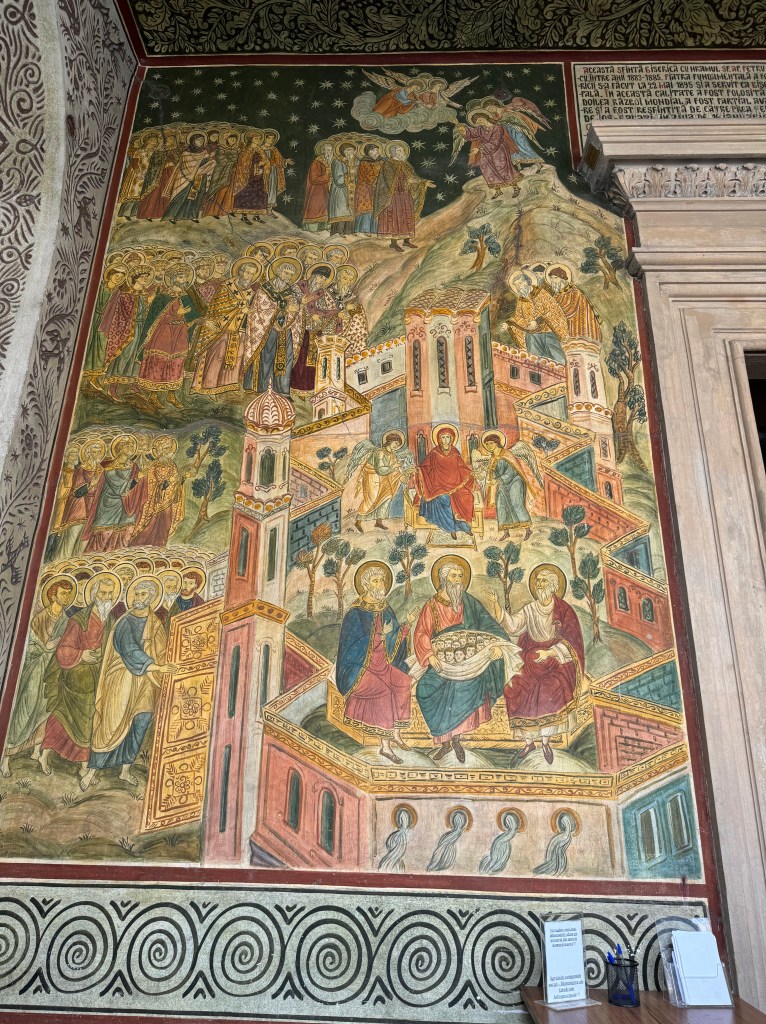
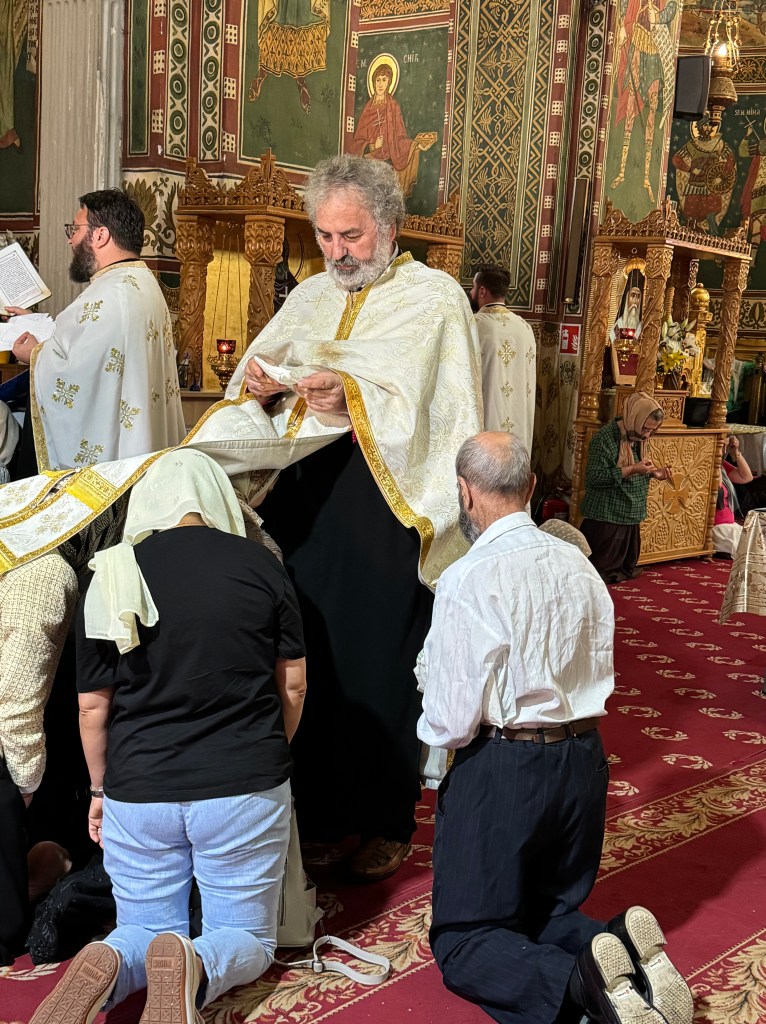
The highlight of our walk in the town, was visiting the Romanian Orthodox church during one of its services and watching/listening to the praying (above). The city also has a Greek Orthodox church, 2 mosques and a synagogue (which is in disrepair because all the Jews were deported in WWII).
The boat then began heading west, and visited Bulgaria, Serbia, Hungary, and Slovakia ending up in Vienna. Romania, Bulgaria and Serbia are Eastern Orthodox countries, but each have their own patriarchs (as do the Greeks and the Russians). Hungary, Slovakia and Austria are catholic countries. Romania, Bulgaria and Hungary are part of the European Union, but still have their own currency. Slovakia and Austria are full members of the European Union with the Euro as their currency. Serbia is not in the European Union.
Bulgaria
Arbanassi, Bulgaria itself is a museum town because its houses date from medieval times and are used to educate about life at that time.
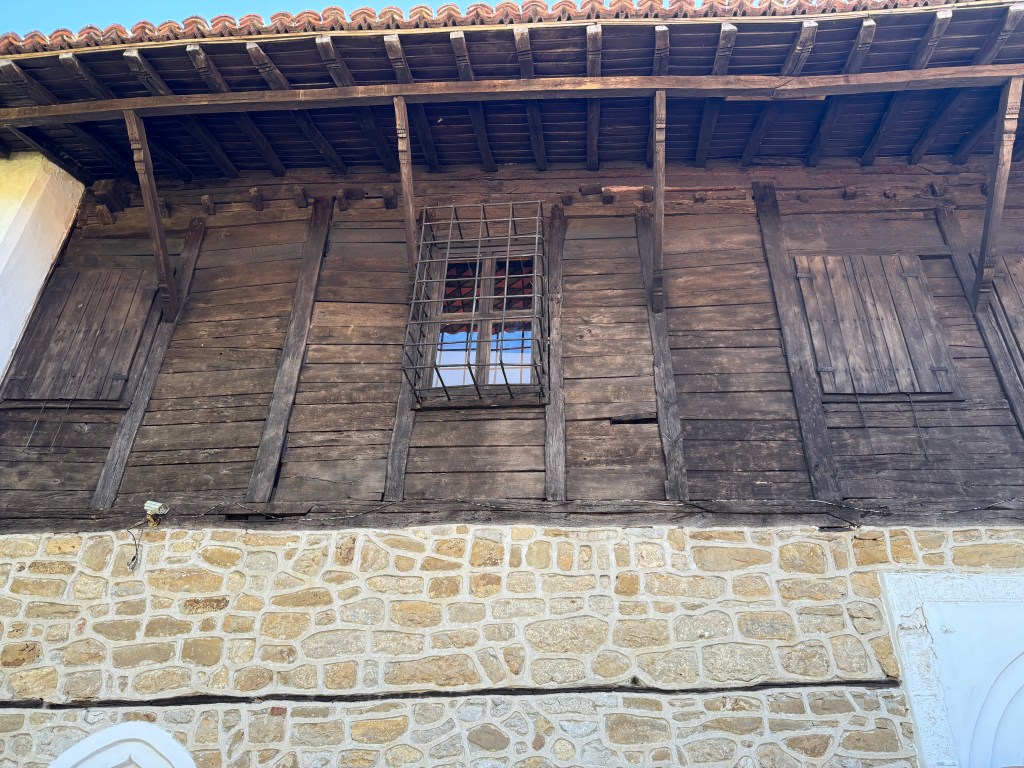
We stopped at a house that belonged to a Christian family. It is a 400-year-old brick and wood house, built during Ottoman times, when Christians were second class citizens. The Christians were needed by the Ottomans for trade because Christian countries would only trade with the Christians. The Christians were taxed excessively.
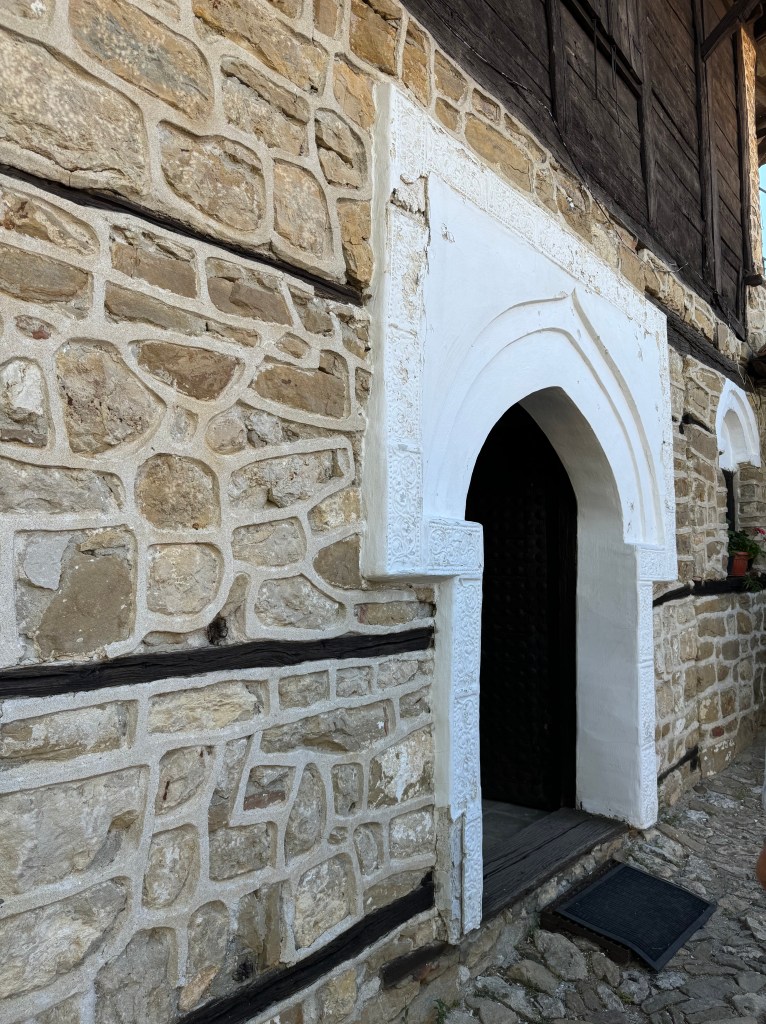
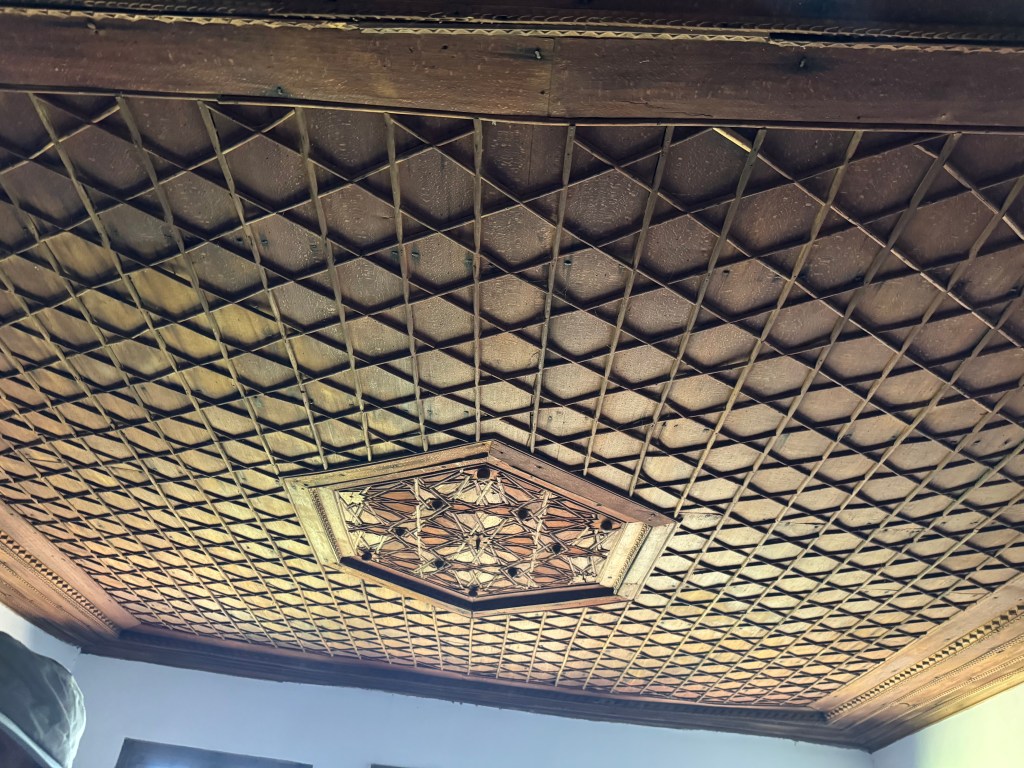
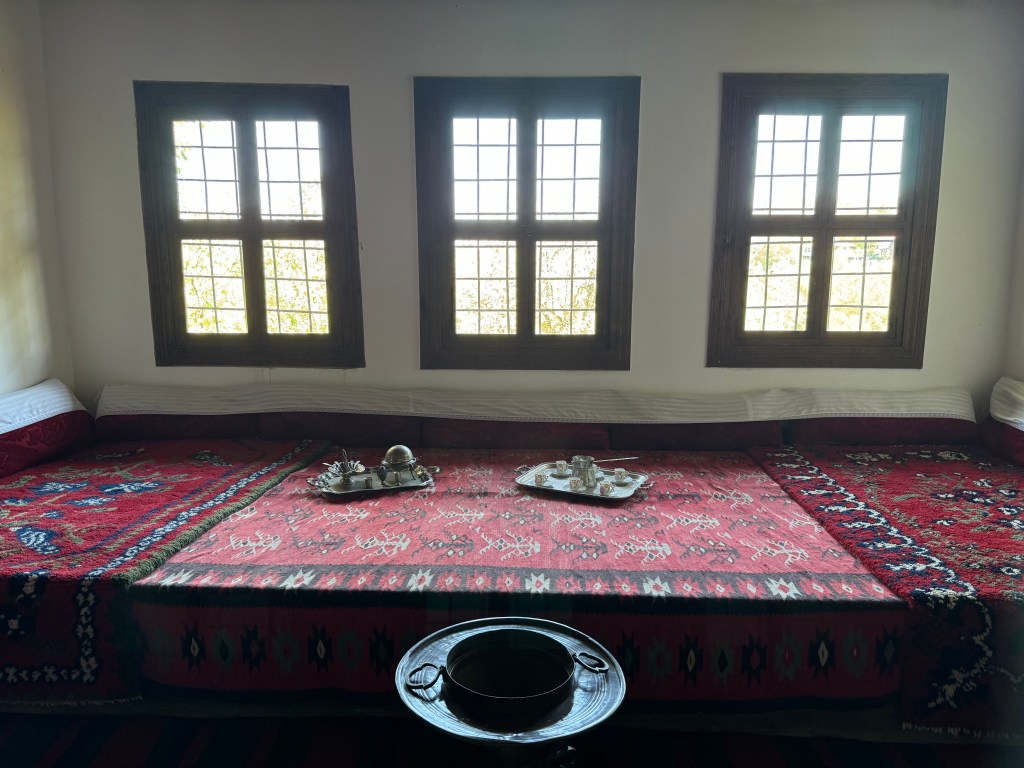
Although it is a Christian house, it is built in the Ottoman style with the entry arch and a geometric ceiling.
In addition to the excessive taxation, according to the guide, the government could take the Christian children and make them into soldiers. The idea being, that if the Christians rebelled, they would be fighting their own children.
Grills on the window and between rooms were used as protection from the Ottomans.
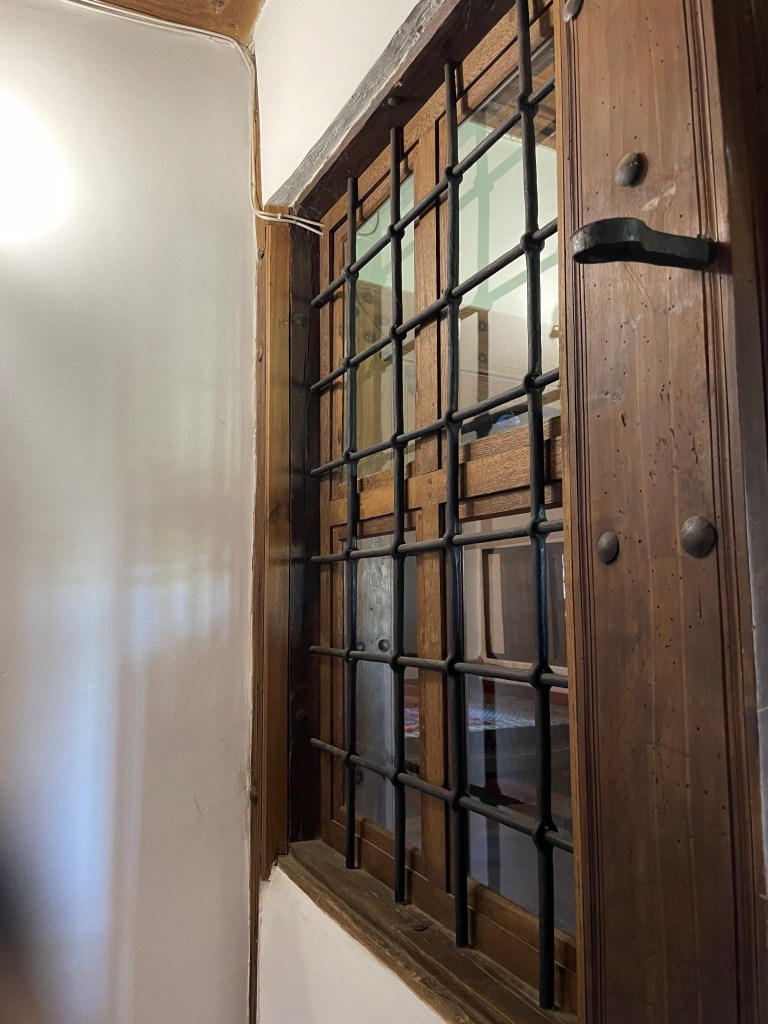
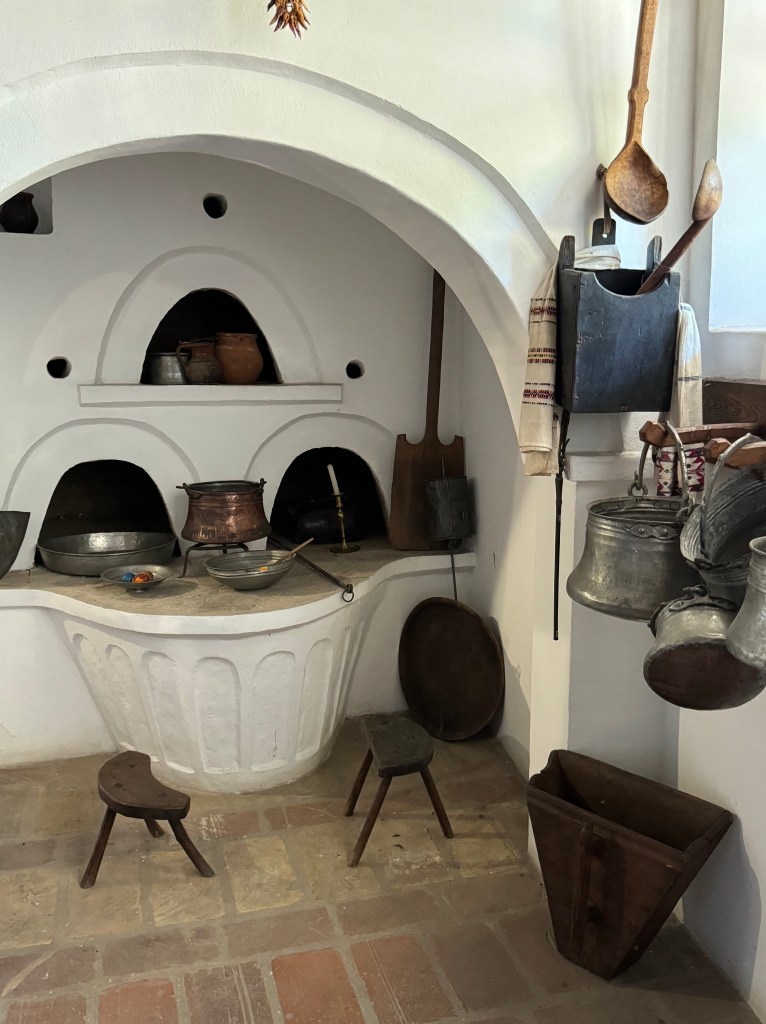
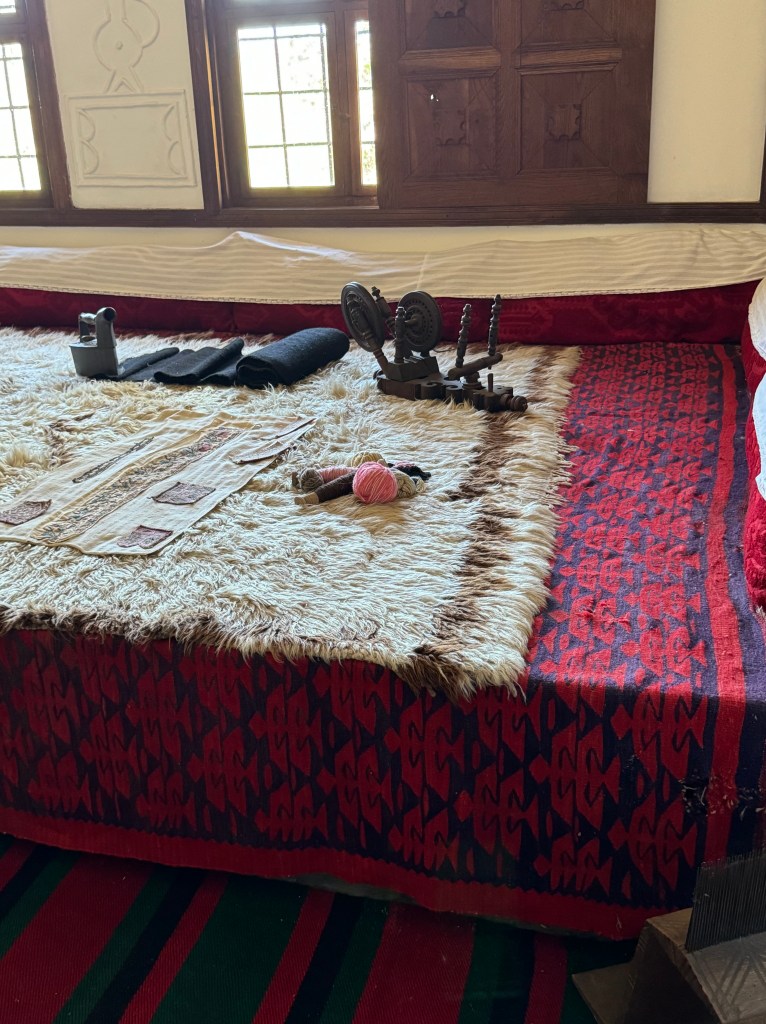
The house is furnished as it was in medieval time.
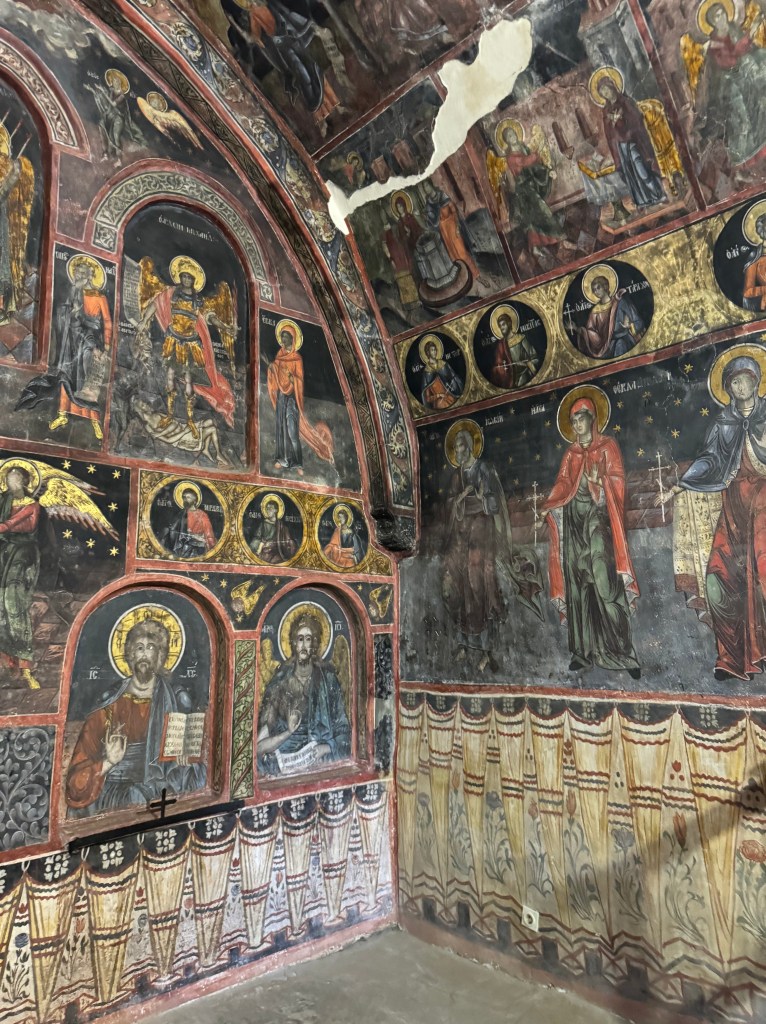
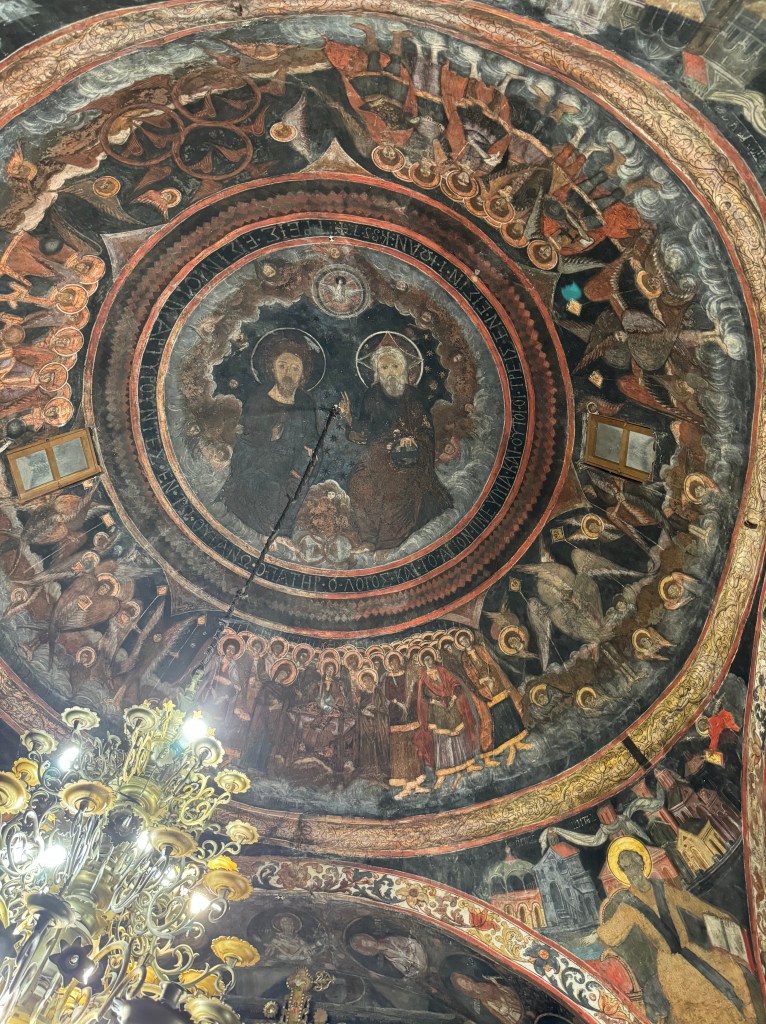
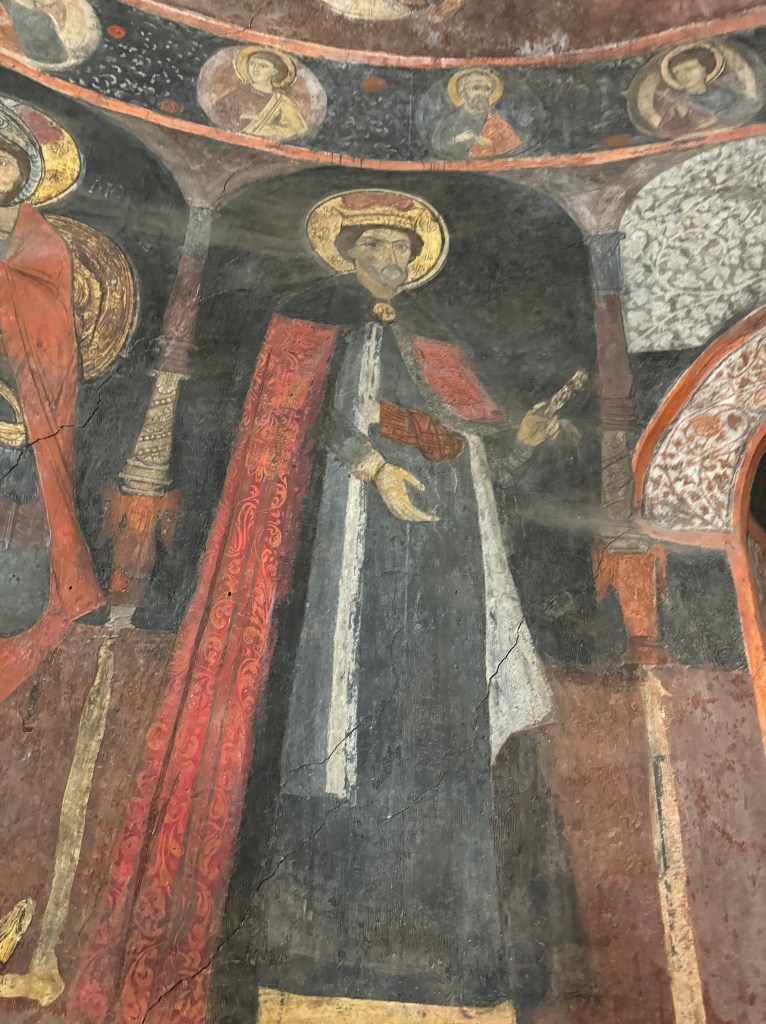
Nearby was a little Orthodox church, that was the size of a small two room house, with painted icons on all the walls and ceiling.
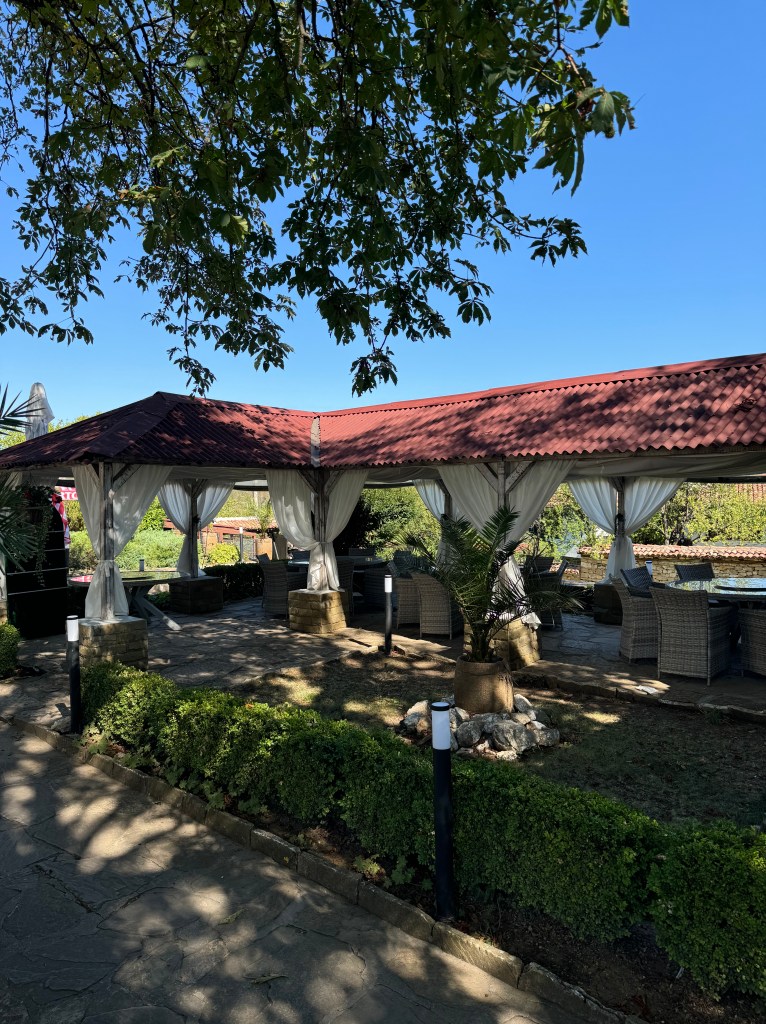
We had lunch in Arbanassi on the patio of the house/museum.
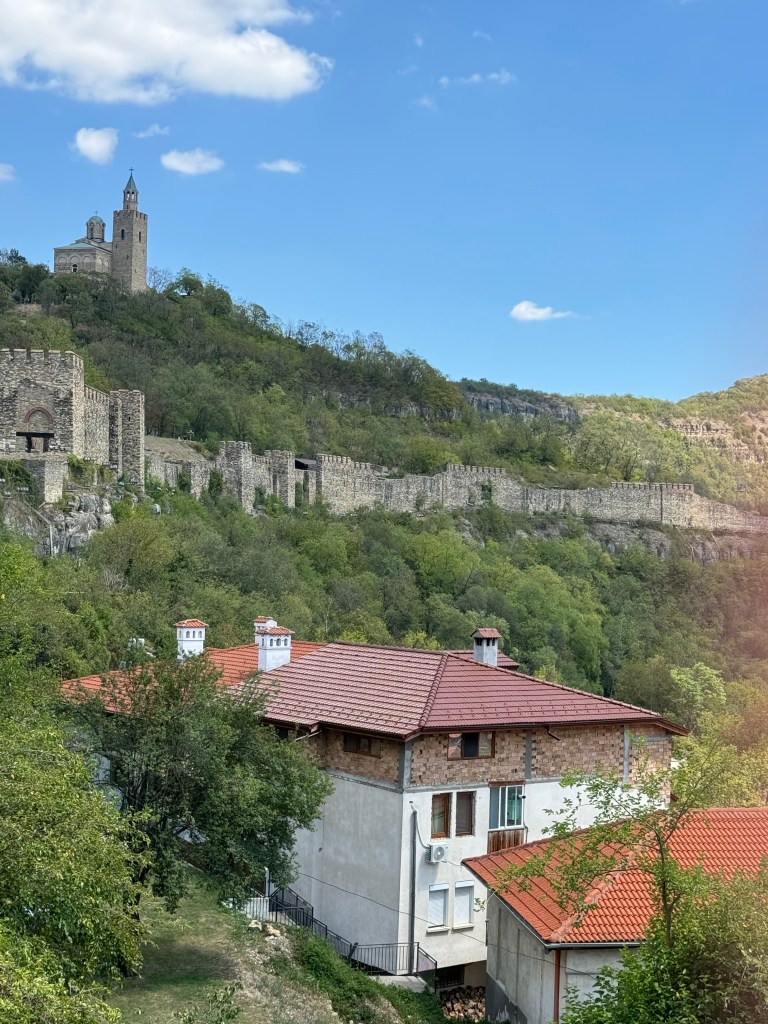
Our second stop was Veliko Tarnovo, one of the oldest settlements in the Balkan Mountains.
We saw, but could not climb the remains of the fortress and walked in the old town, with its narrow streets and tourist shops.
The locks between Bulgaria and Serbia
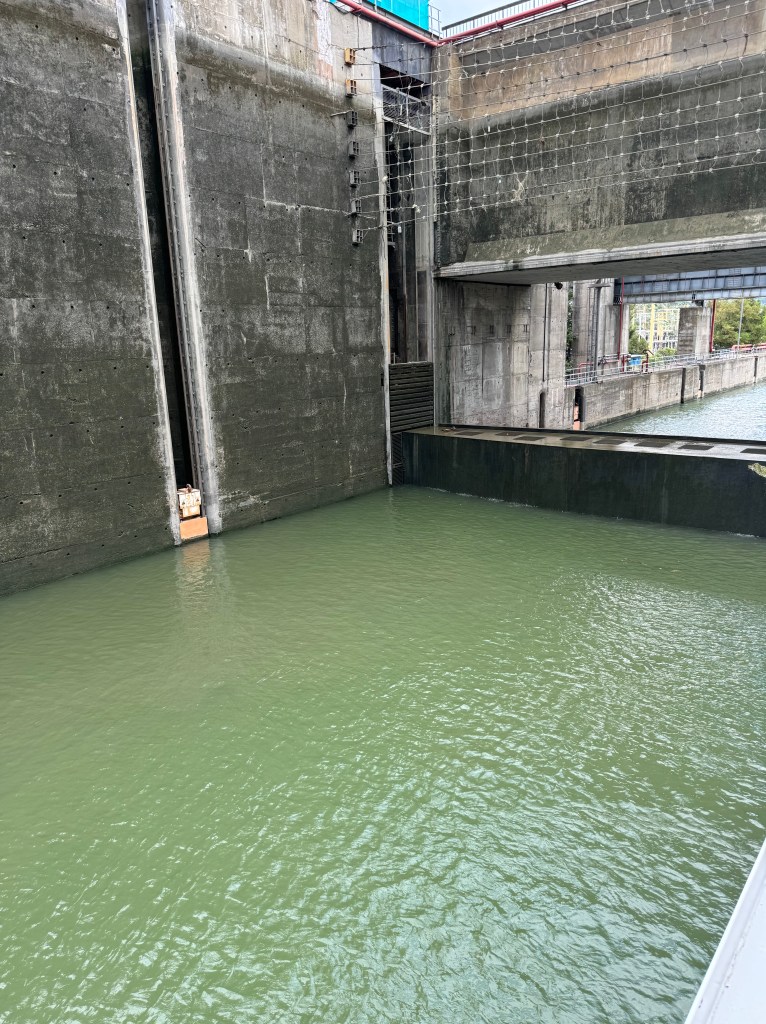
We spent a day on the river going in and out of locks and sailing through the Iron Gates. Although I have gone through locks on other trips, it never ceases to fascinate. I described locks in prior posts and will not do it again here.
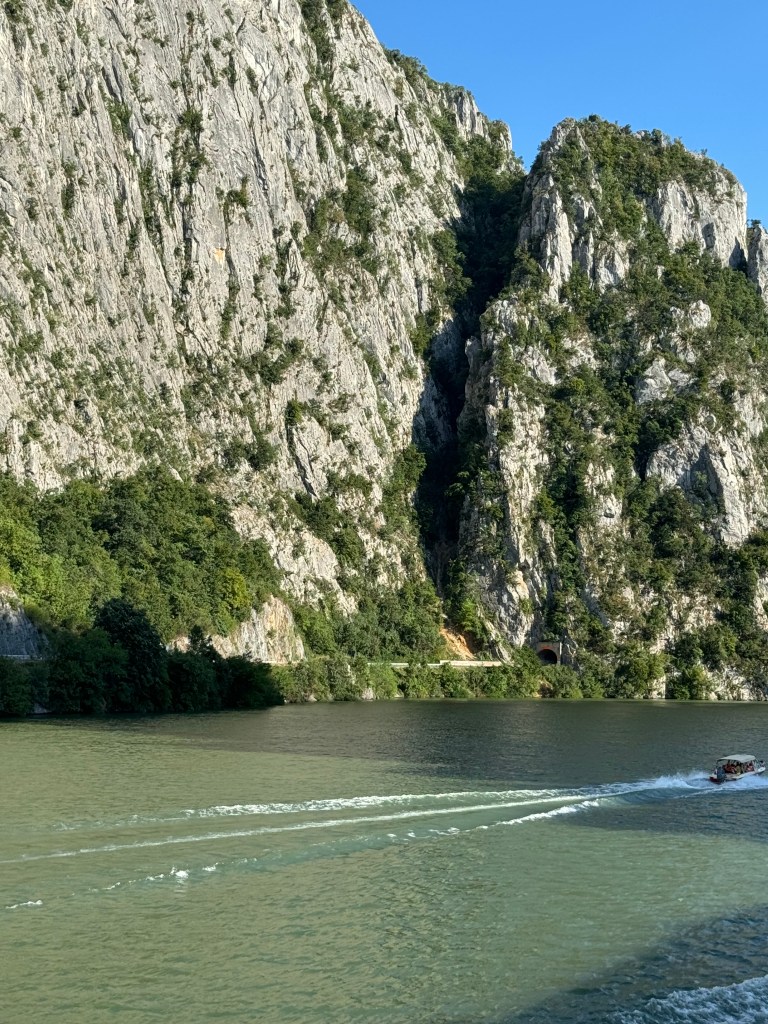
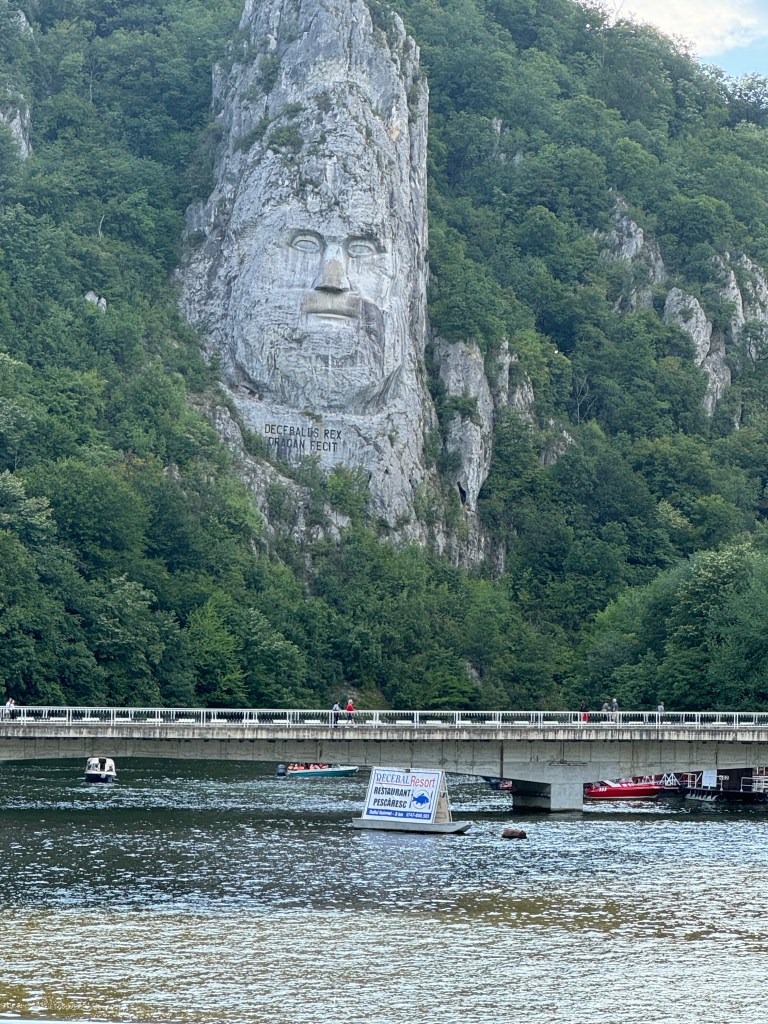
The scenery was spectacular. Especially the colossal sculpture of king Decebalus on the Carpathian Mountains.
Serbia
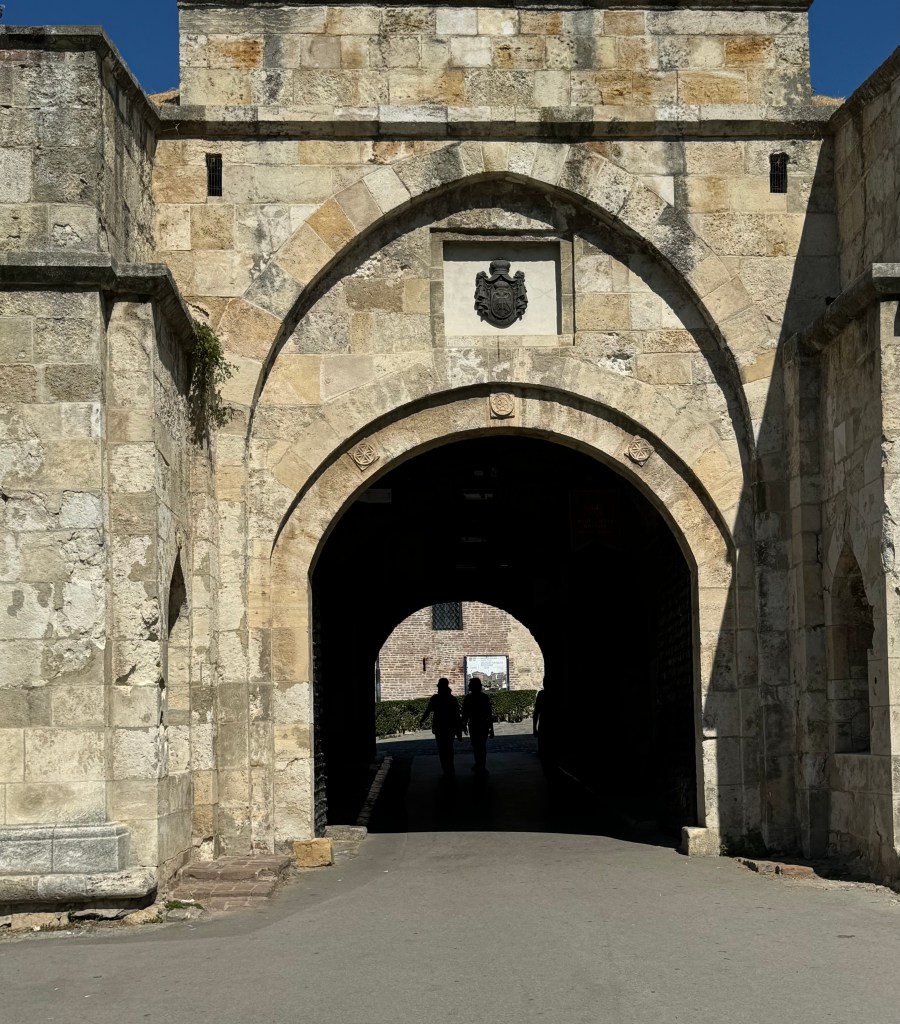
In Belgrade, Serbia we walked in the Kalemegdan Fortress that was originally built in the 3rd century BCE, but rebuilt multiple times with the latest re-build in the 1700s.
There are many lovely Ottoman arched gates into the Fortress.
Today the Fortress area is a beautiful park, with locals and tourists mingling.
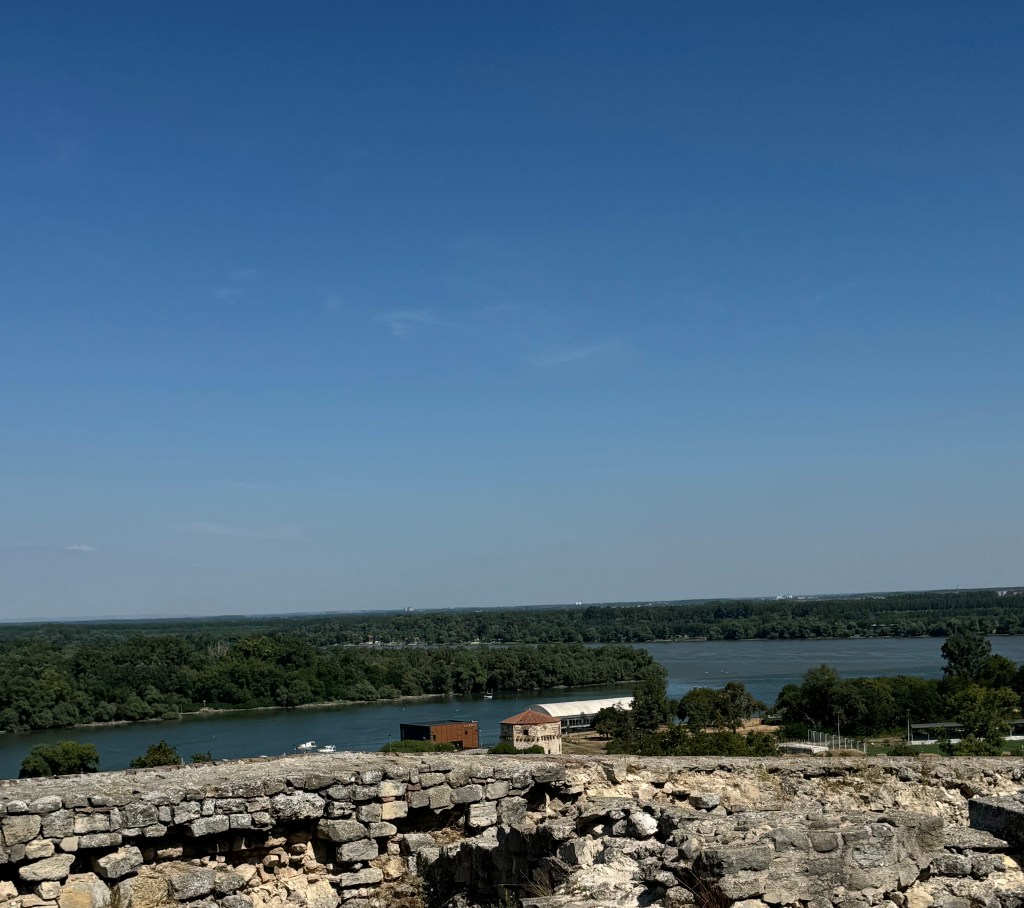
The view from the fortress of the Danube and Sava rivers was lovely.
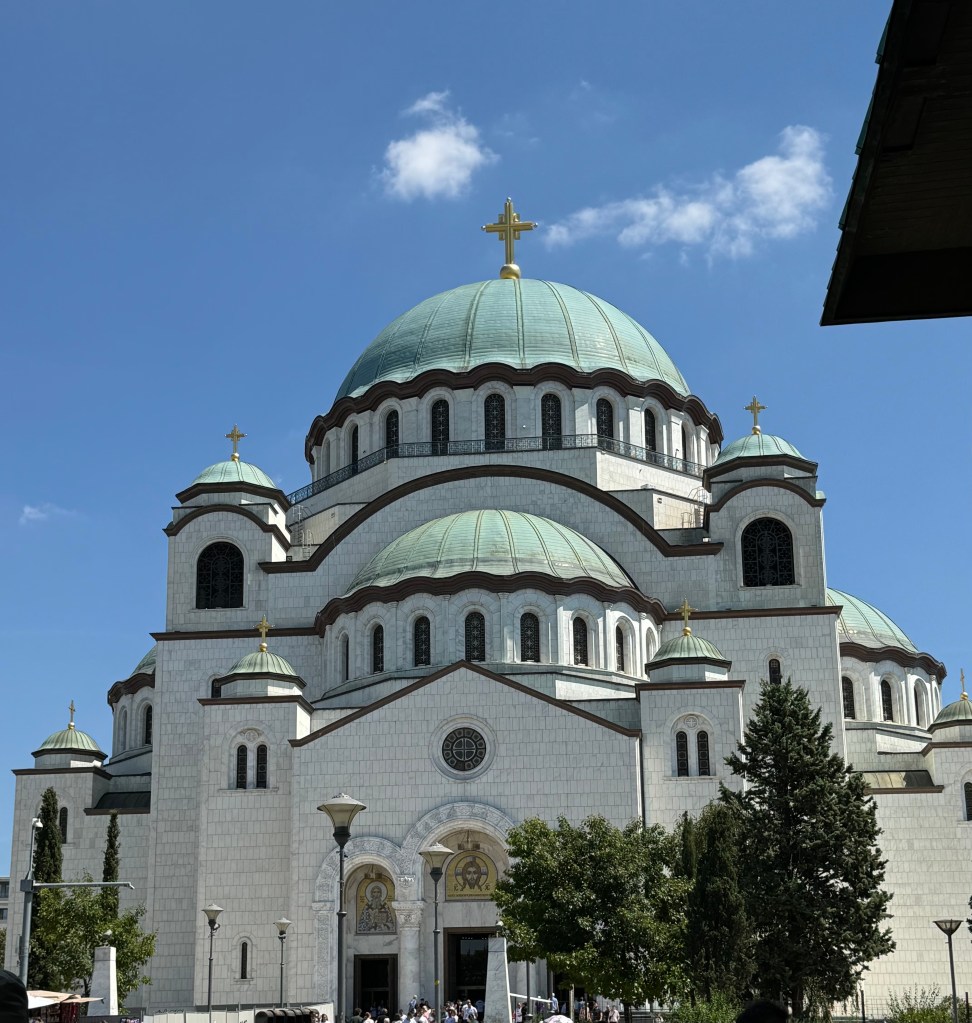
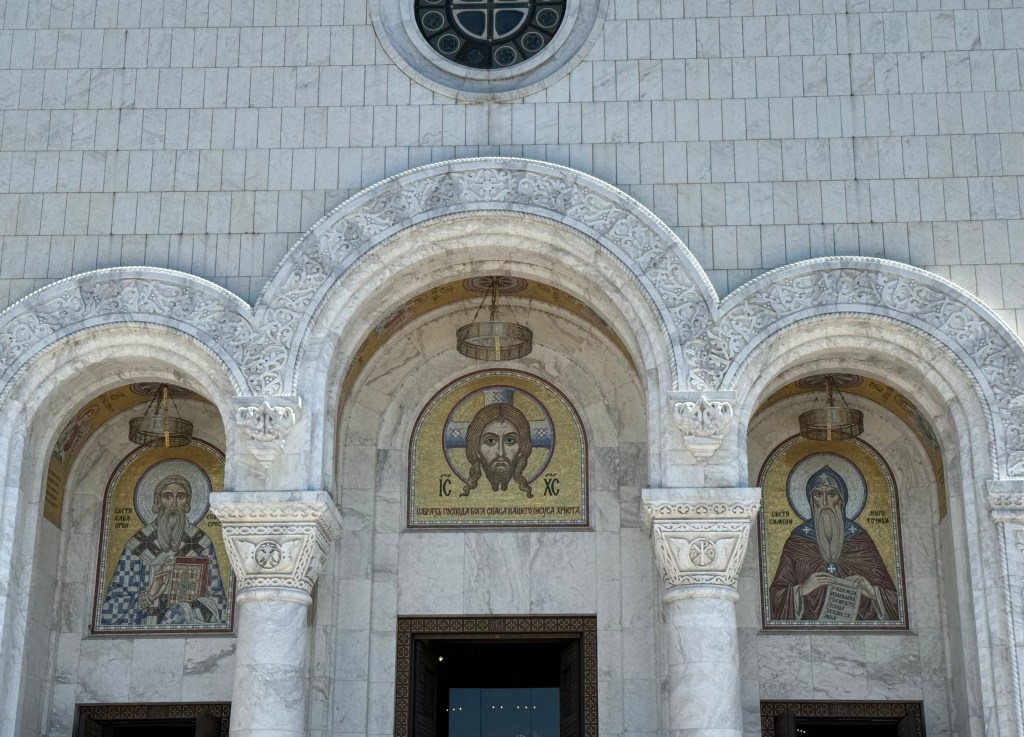
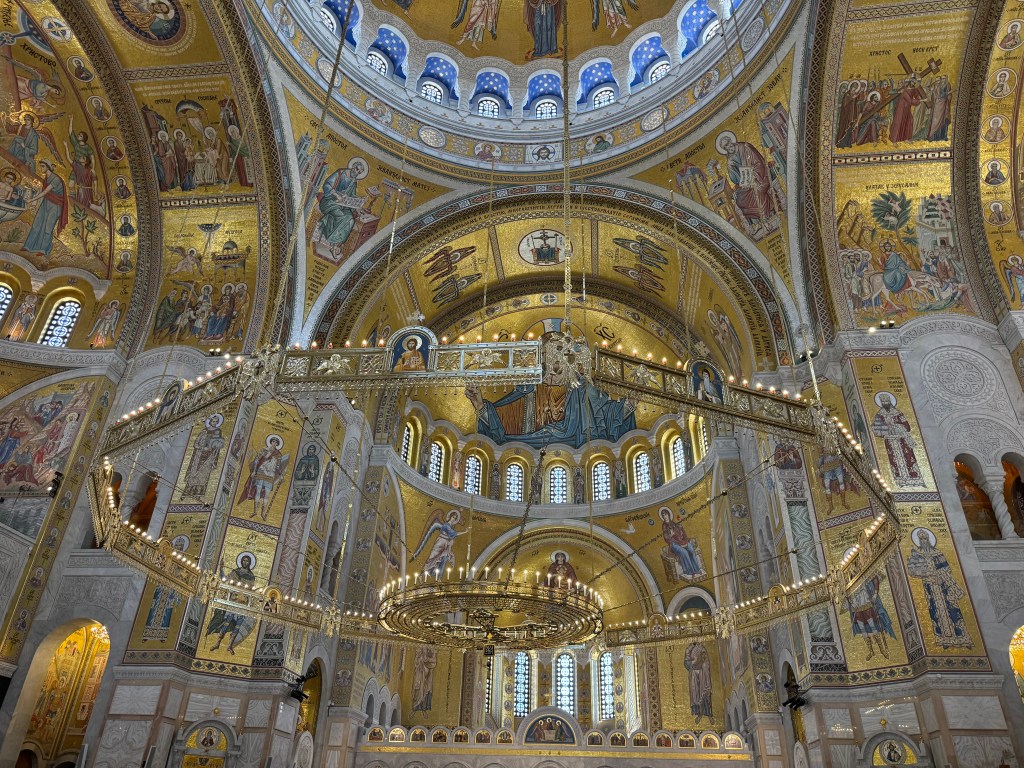
We also visited the Serbian Orthodox Cathedral of Saint Sava, which was completed in 2004. It is a very impressive church with thousands of mosaics. Saint Sava (1175 to 1235), is the patron saint and national hero of Serbia. He converted the country from Catholicism to Serbian Orthodox.
We had time to walk in the pedestrian street in the heart of Belgrade. It was underwhelming.
Hungary
We made two stops in Hungary; Kalosca and Budapest.
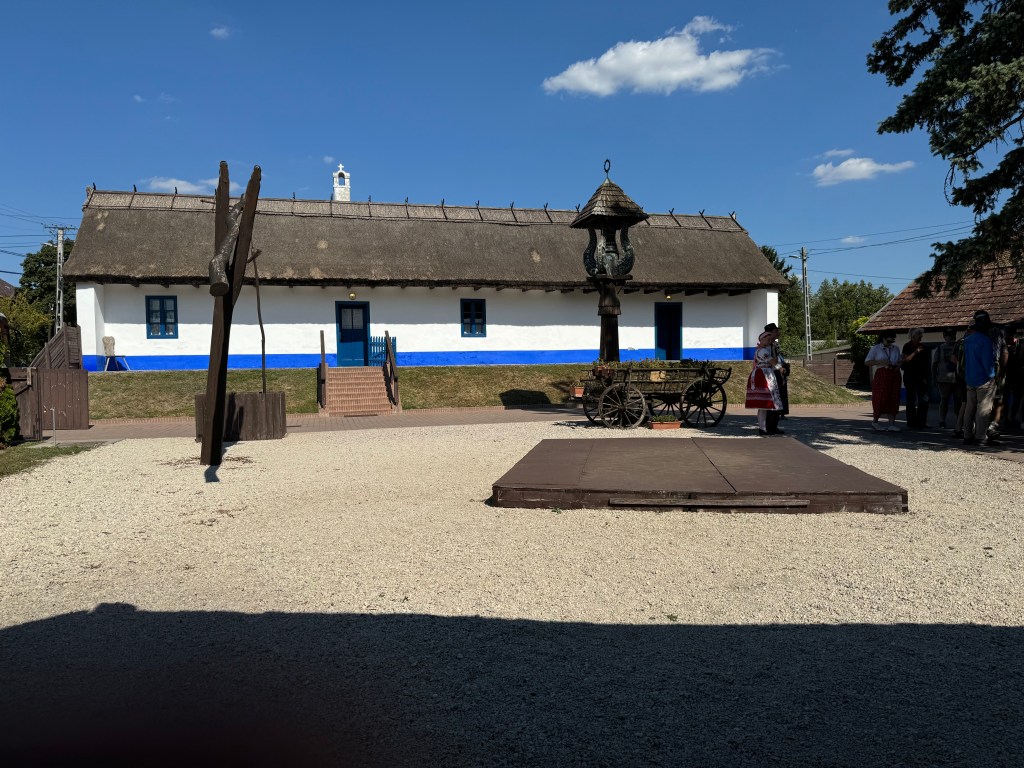
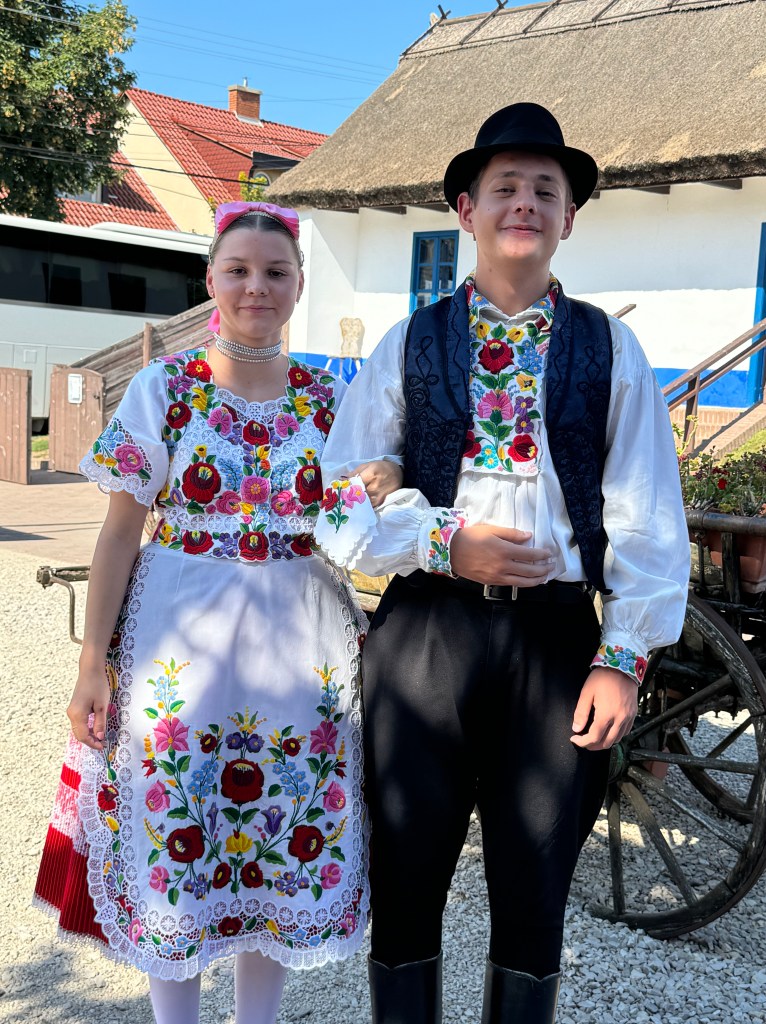
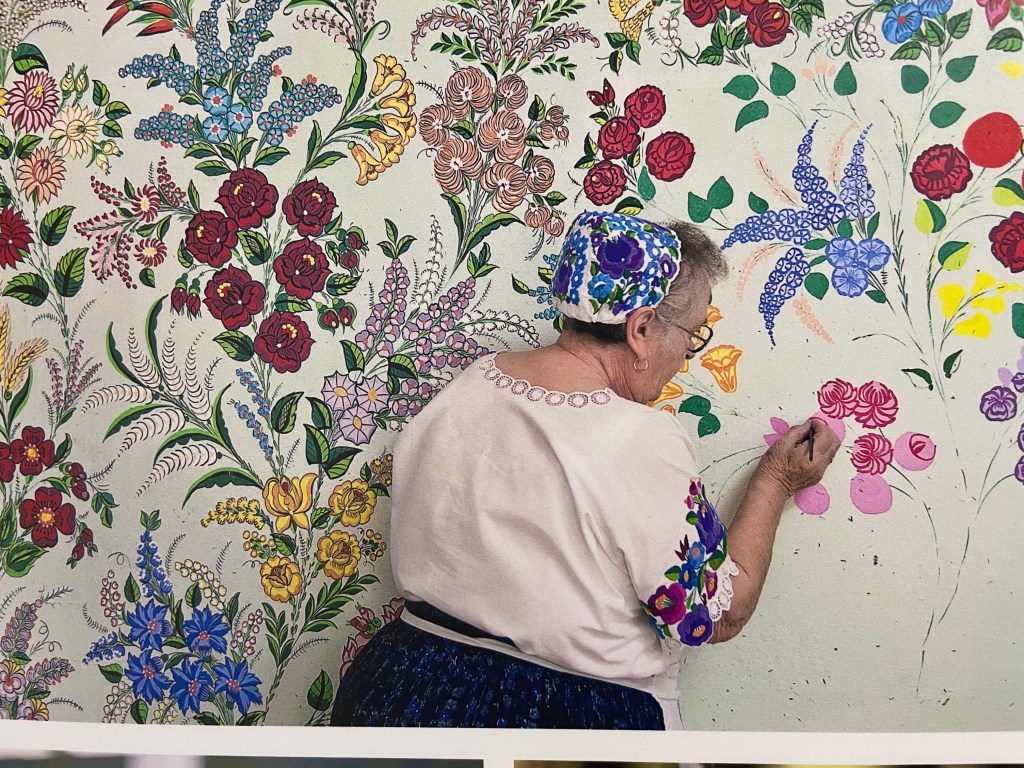
In Kalosca we went to a typical farm house, now a museum. A couple of dancers, dressed in their colorful costumes consisting of flowery embroidery, demonstrated their traditional dance. The same flowers were also painted on the walls of the house, chairs and heaters.
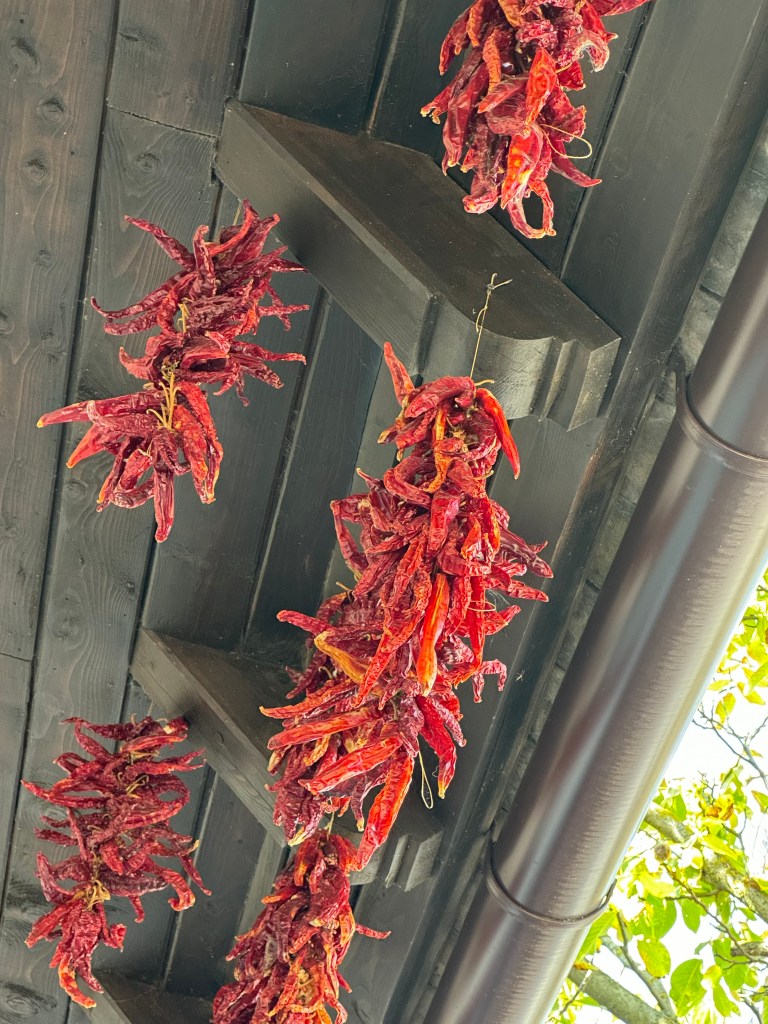
In addition, we went to a paprika and horse farm. We saw the paprika plants, and learned about the process of growing and harvesting them.
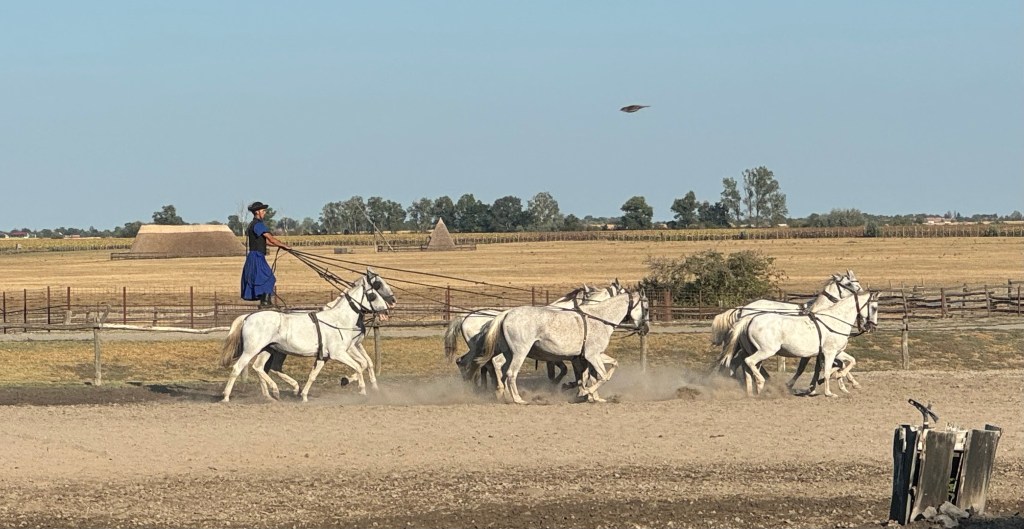
This was followed by a fun horse show including a cowboy riding on the back of 2 horses of a team of 10 white horses.
In Budapest, We had a tour on the Buda castle grounds, which included Fisherman’s Bastion and St. Matthias Church.
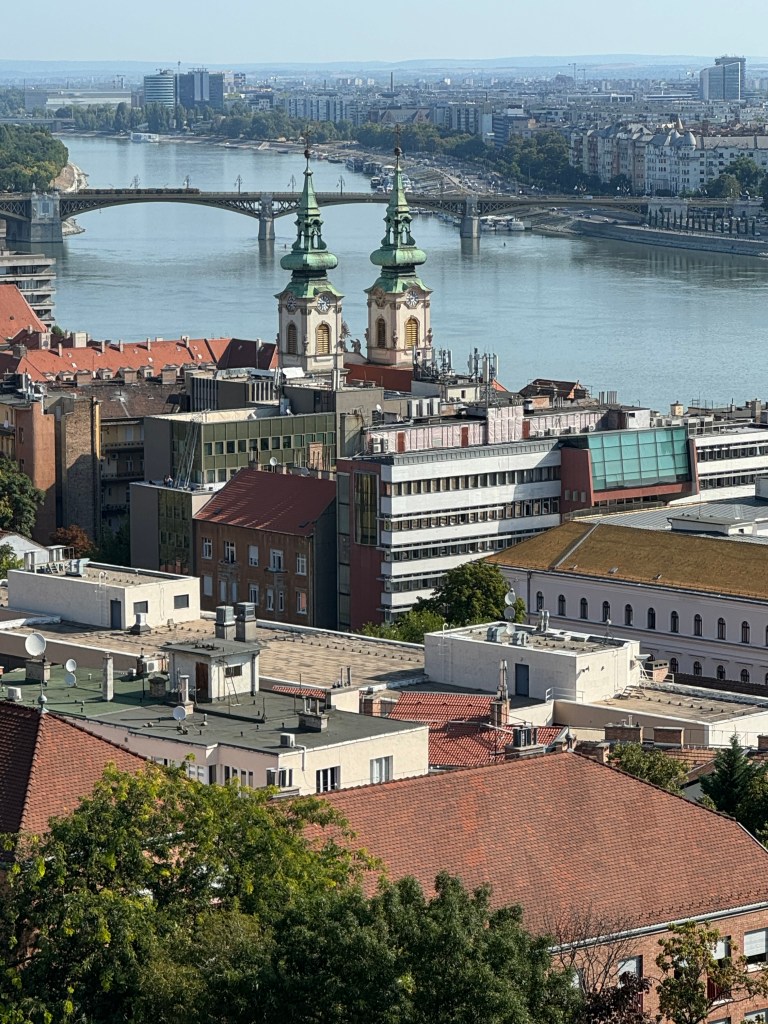
At the top of Fisherman’s Bastion we had an incredible view of the Danube and the Pest side of the river.
Fisherman’s Bastion is just beautiful. It was originally a section of the Buda City Wall entrusted to the guild of fishermen, who lived and sold fish near by. The guild of fishermen not only sold fish, but in wars, its members valiantly defended the city walls.
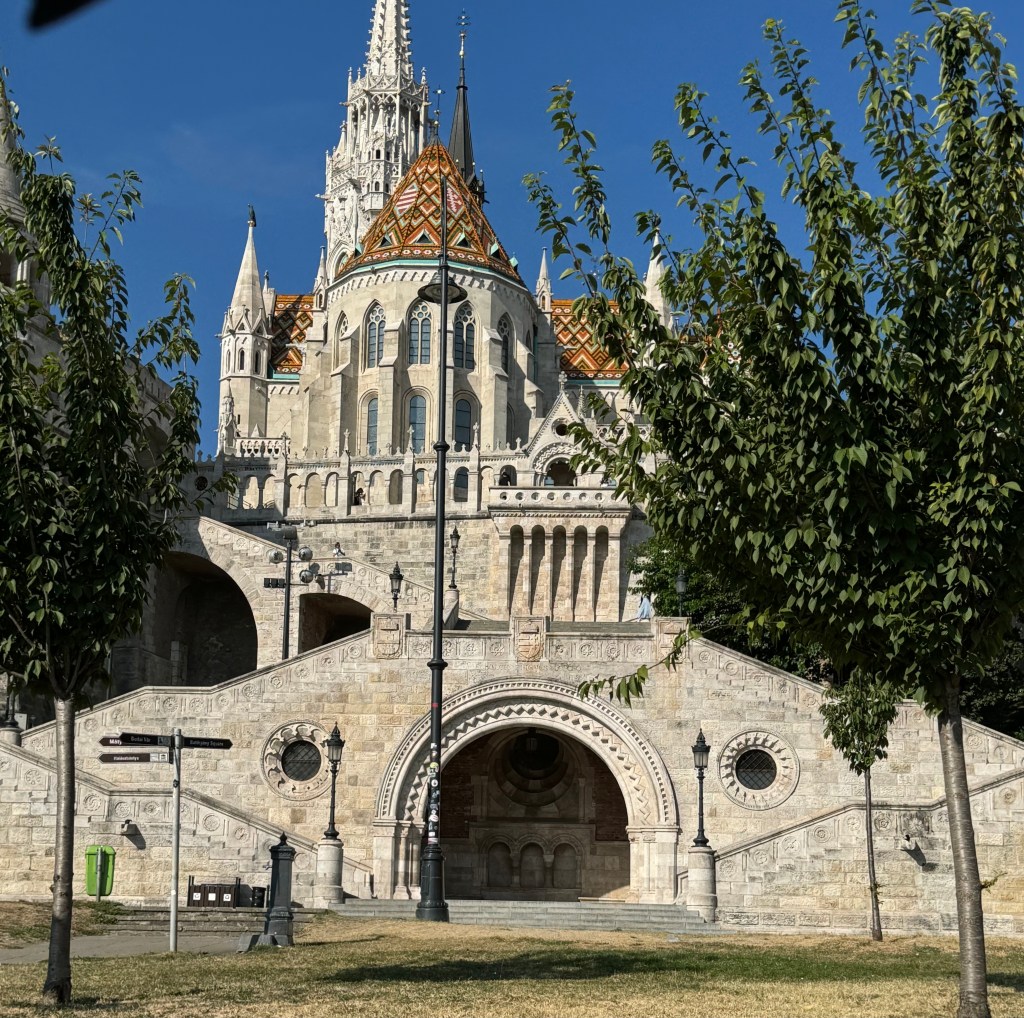
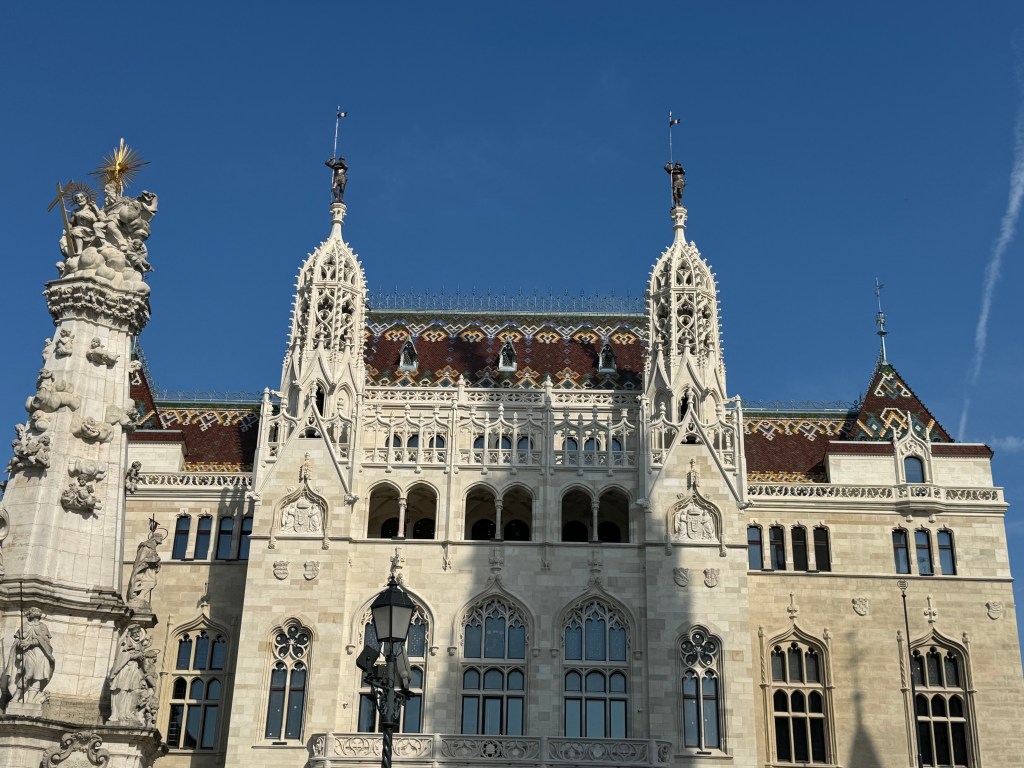
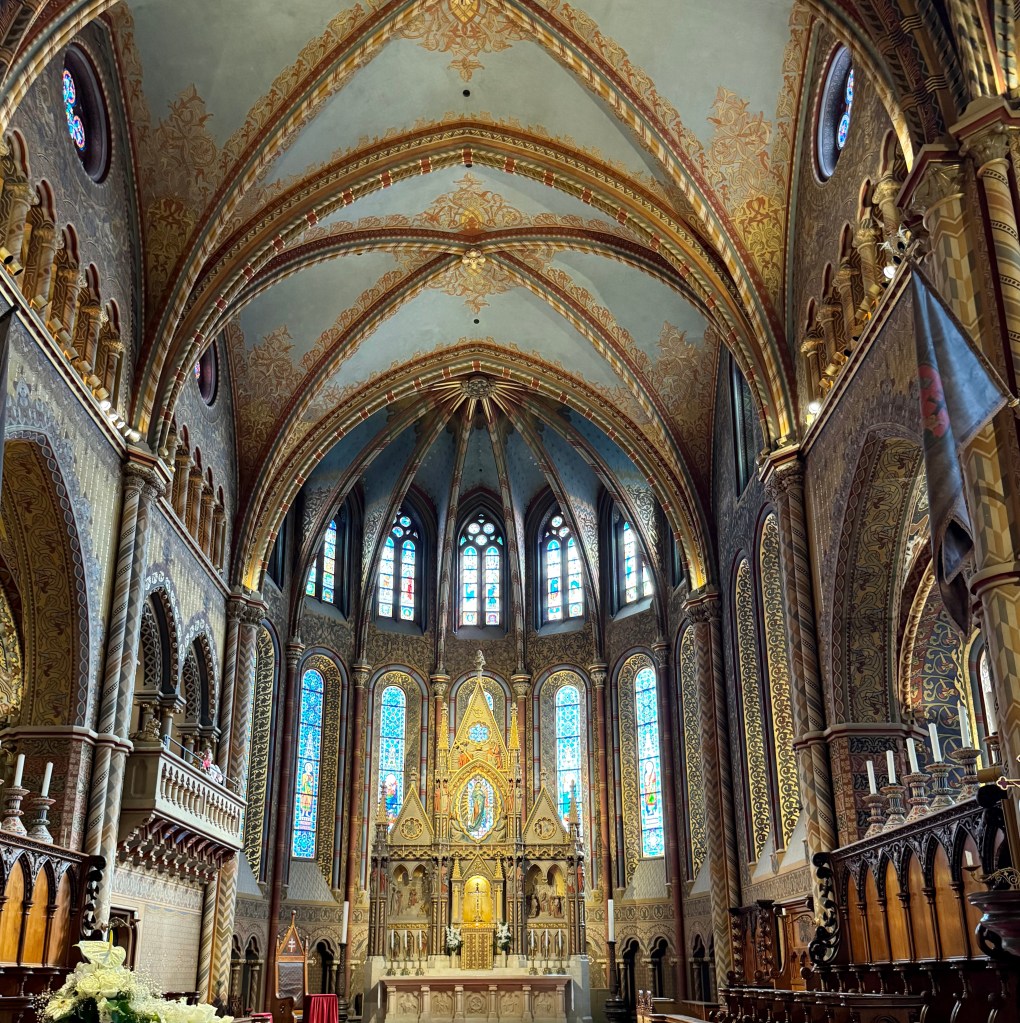
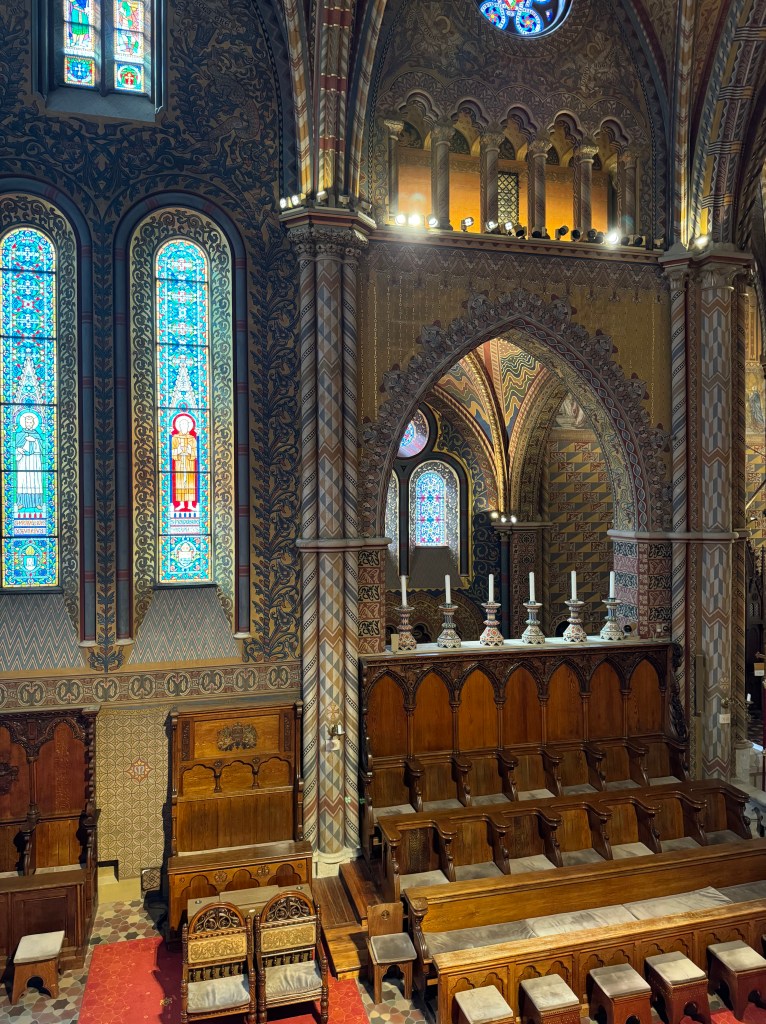
The St. Matthias Church was built in the Romanesque style in 1246, then rebuilt in the 15th century as a Gothic church by King Matthias. In 1526 it was occupied by the Ottomans for the next 150 years. They converted it to a mosque rather than destroy it. It is very beautiful and still has an Ottoman feel, especially on the columns. The roof is made out of colorful tiles.
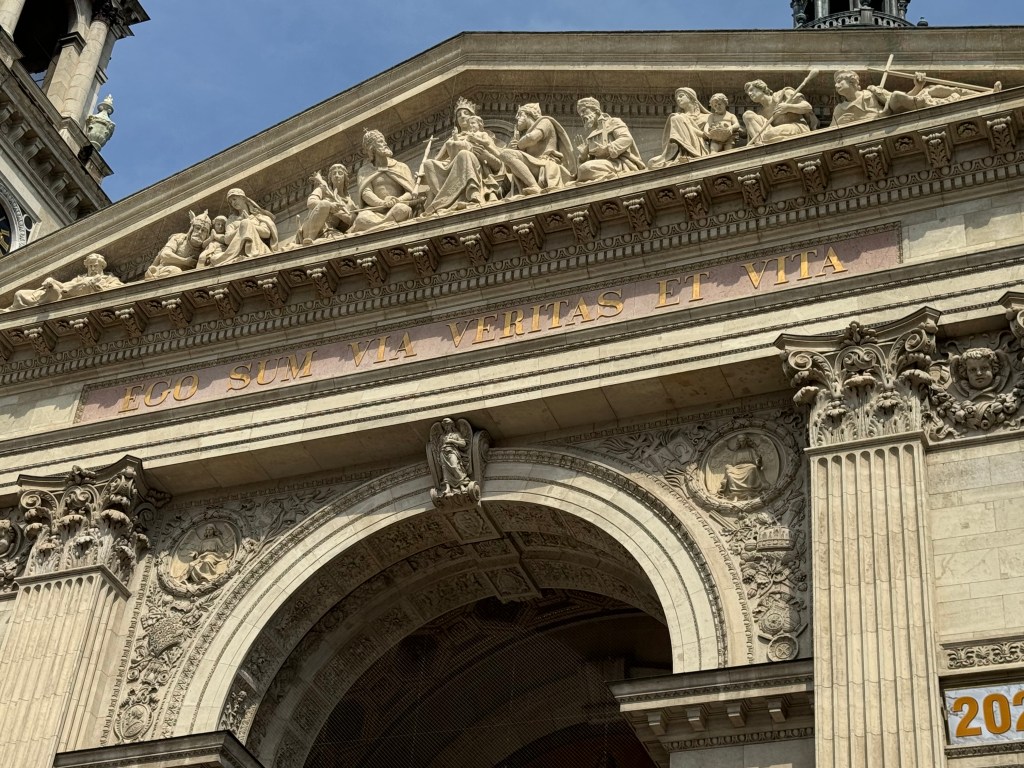
Also striking, is the St. Stephen Basilica, in Pest. It was built in the late 19th century on the site of a theater. It has two bell towers with six bells in one tower and none in the other.
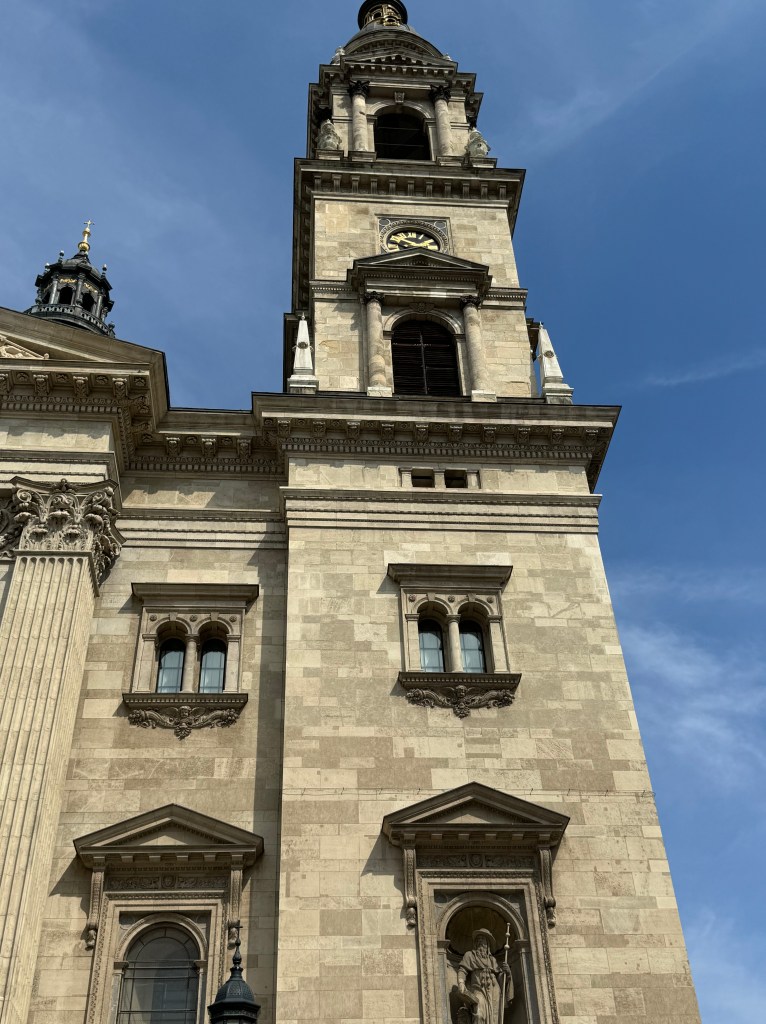
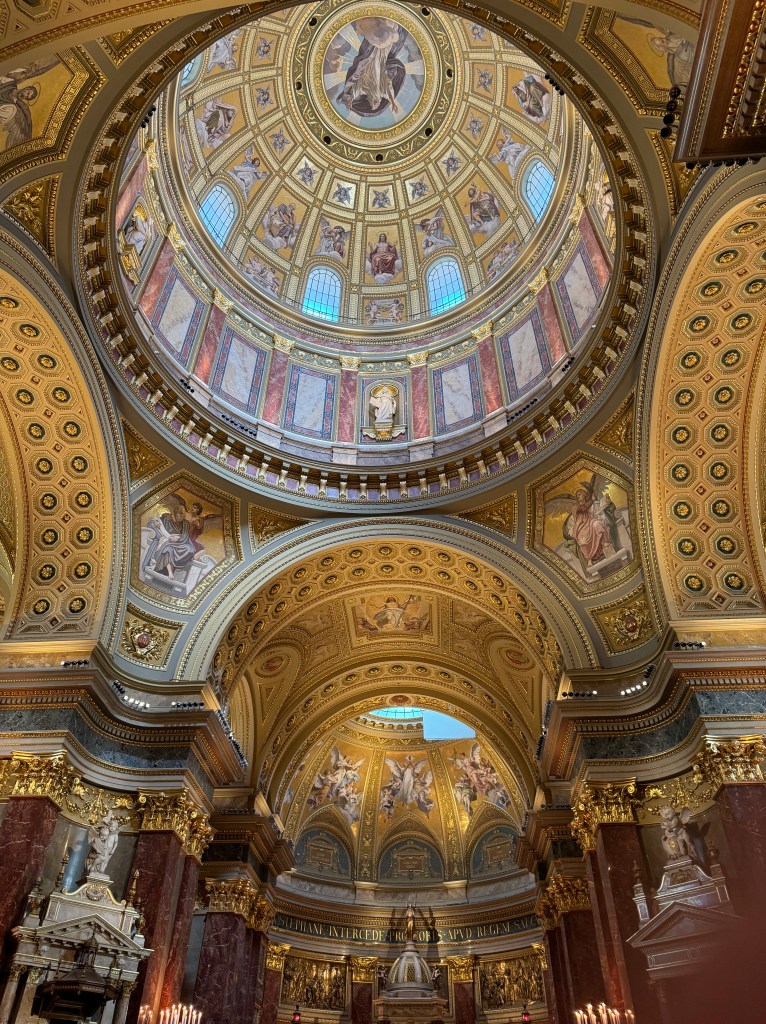
The inside has lots of mosaics interlaced with gold, which makes the interior images shine.
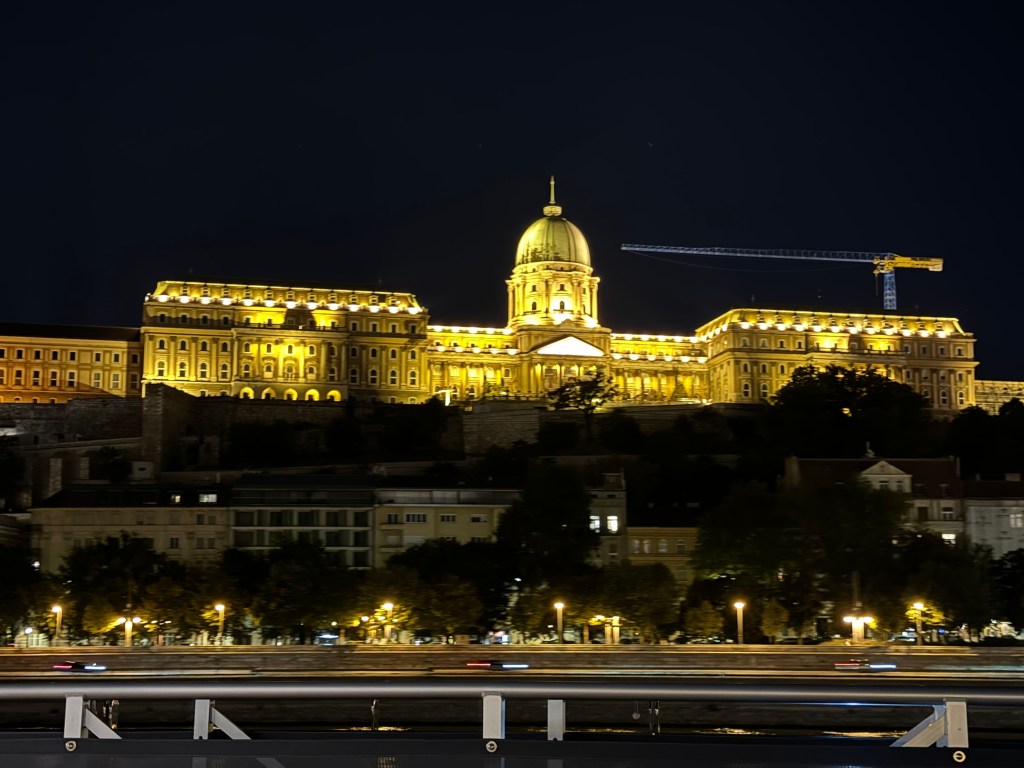
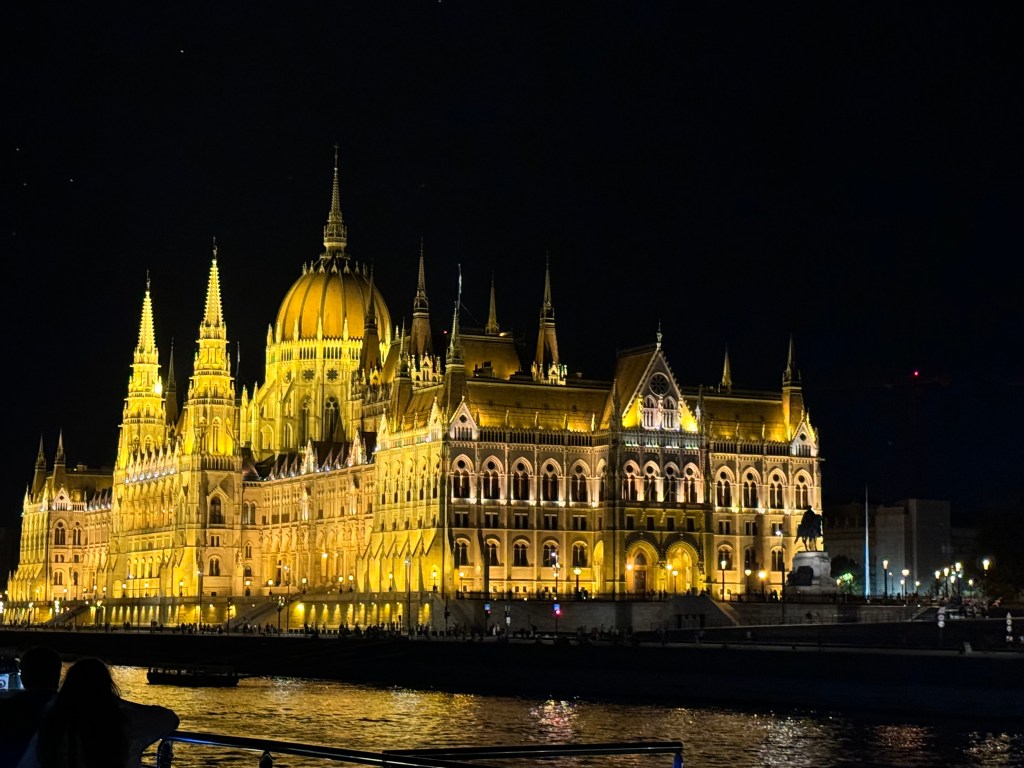
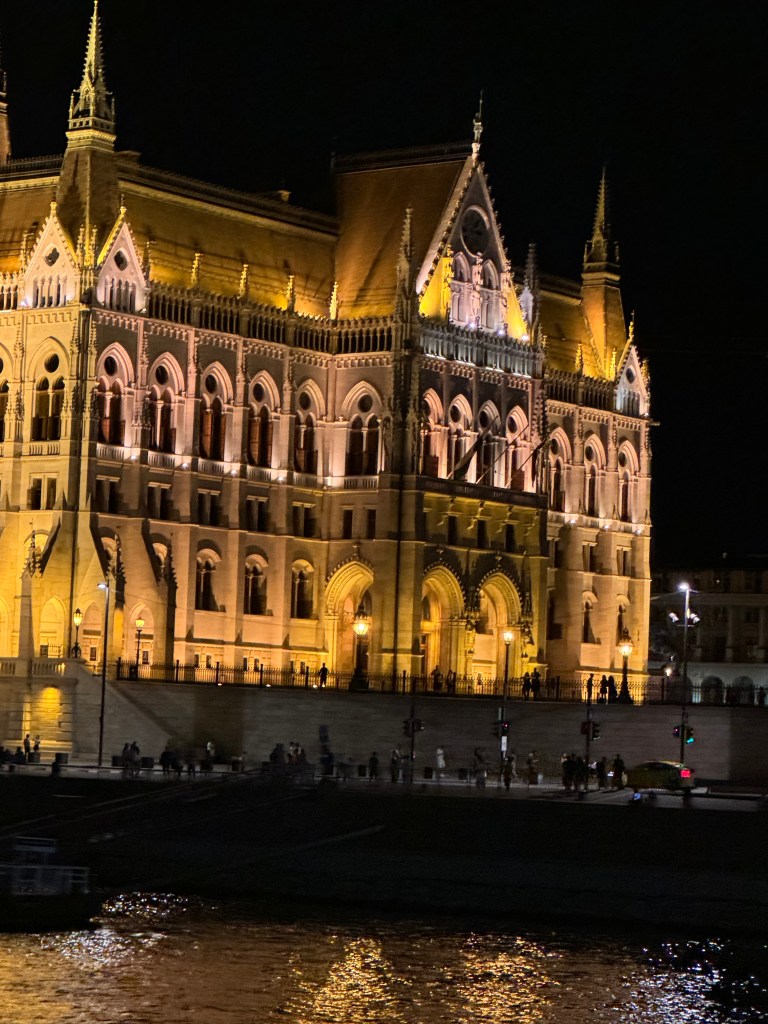
At night we sailed slowly past the city to see the various buildings lit up. Especially beautiful was the parliament building.
Slovakia
We went through another lock and relaxed on the boat all morning. But because of that, we only had a few hours in the afternoon in Bratislava. We visited the castle and then had some free time in the old town.
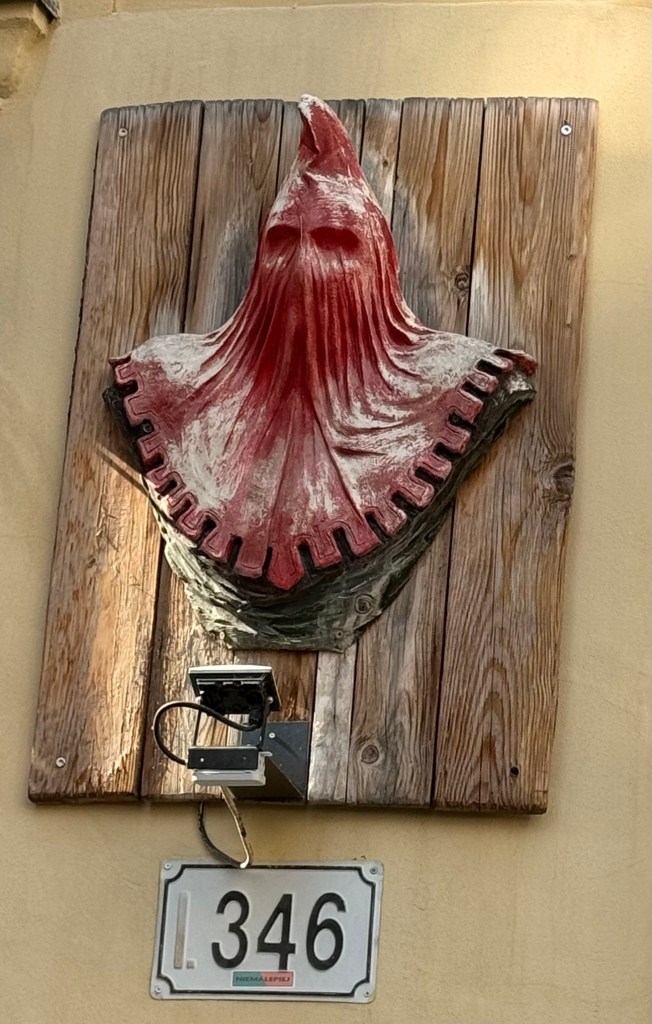
At the entrance of the gates to the town, we saw the sign for the house of the executioner, who was also a policeman.
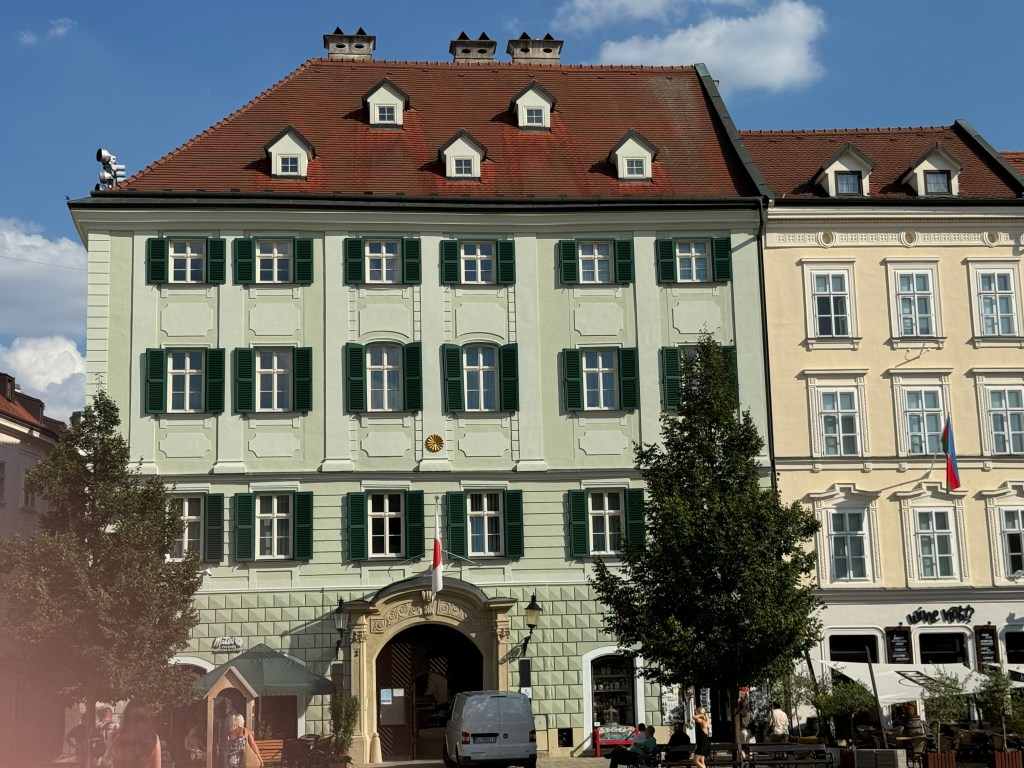
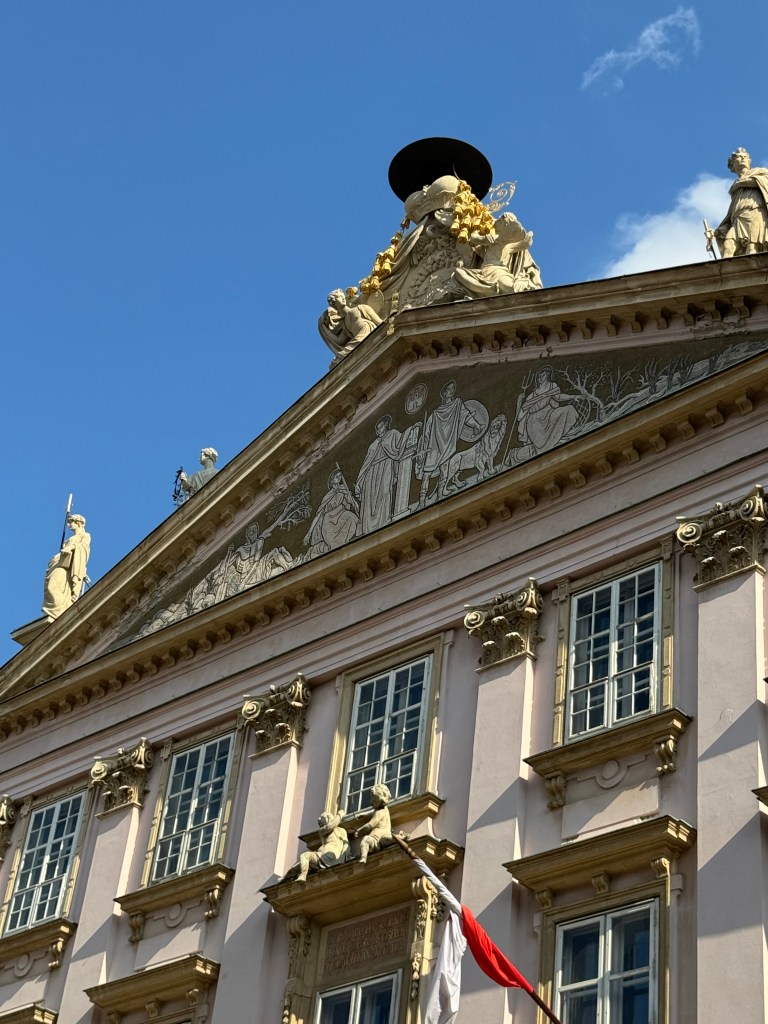
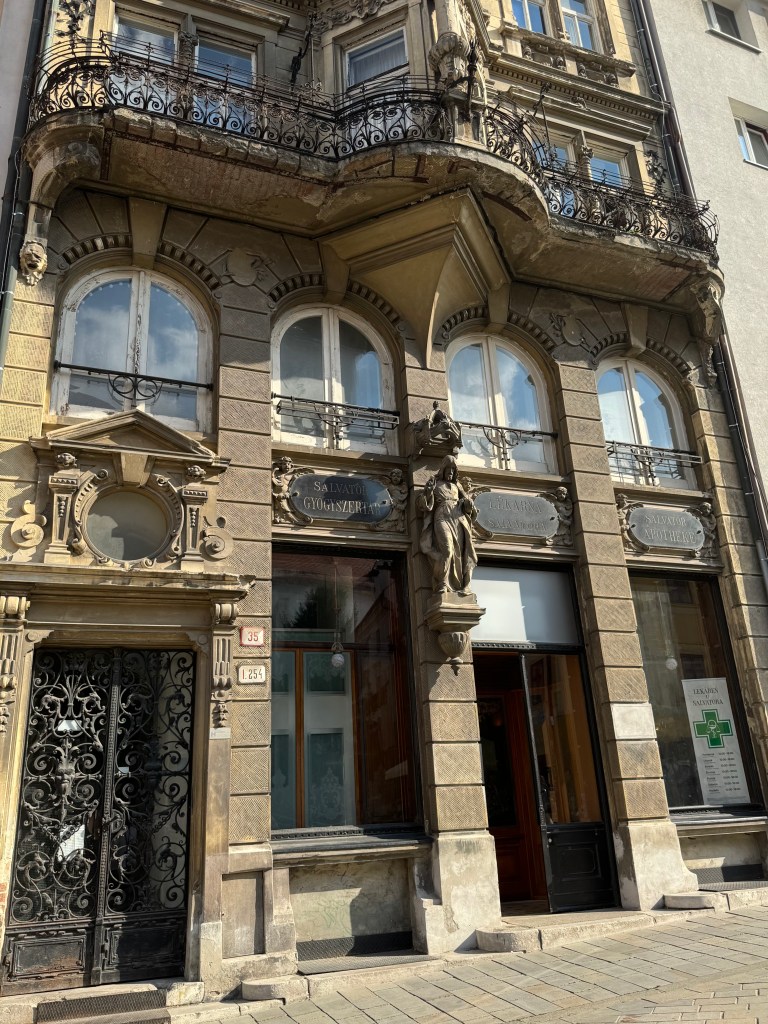
It is a very charming town and it broke my heart not to be able to spend more time, just sitting in a café and imbibing the ambiance. Next time.
As I said the cruise ended in Vienna, where we spent one more day before flying back to Florida.
Final Comments:
- I would absolutely recommend both the itinerary and Amadeus Cruises. The boat trip allowed us a taste of Eastern Europe. The excursions were well arranged, the guides were excellent and the locations were interesting. The Danube Delta was a wonderful experience. The food on the boat was excellent and the relaxation spaces on the boat were pleasant.
- The draw back in visiting Romania, Bulgaria and one Hungarian stop from the boat, is that the interesting places to see were a couple of hours away from the Danube. This necessitated long bus trips. Other cities, such as Bratislava, further west are easily accessible from the dock. The ship used the time during the excursions to relocate, which helped in moving the boat westward, but those who did not buy the excursions, were limited to time on the boat during the repositioning.
- We had self insured for the last 25 years, but now at 79 and 87, we decided to take out trip insurance. It is pricey because we are older but we did it. Luckily, we didn’t need it.
- But we do feel our age and are making accommodations. For instance, we flew Business Class in spite of the cost. We paid for an extra night hotel, so that we could check in to our room upon arrival and also paid for airport pick up. Traveling is tiring at any age, but more so now. We also booked our Vienna hotel in a central location to make touring easier. These accommodations made a great difference.
 Nili's Adventure
Nili That Hungarian paprika is the BEST!
So……any trips planned? To continue the journal?
LikeLike
Working on it. Not ready to stop
LikeLike